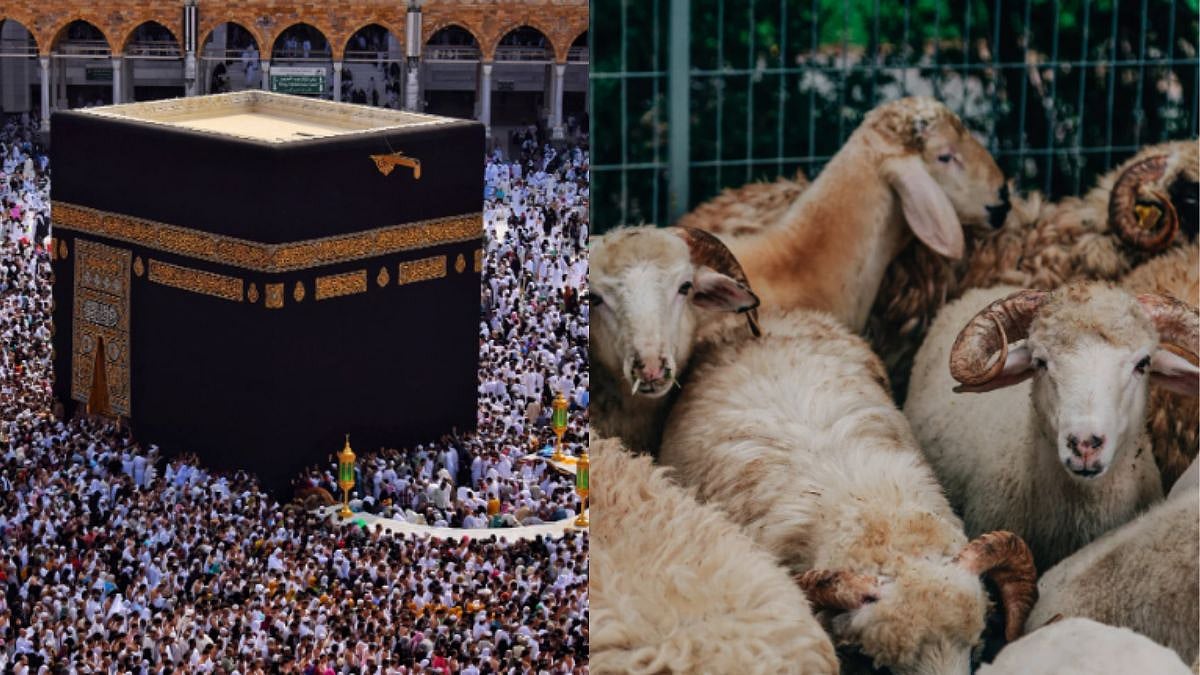
Eid al-Adha, also known as Bakra Eid, holds deep spiritual importance in Islam. Also known as the Festival of Sacrifice, it is one of the two major Islamic holidays that commemorates Prophet Ibrahim's willingness to sacrifice his son as an act of obedience to God. The day is celebrated with morning prayers, the ritual sacrifice of livestock (Qurbani), charitable meat distribution and family gatherings. The significant day holds spiritual importance in Islam and is closely connected with the annual Hajj pilgrimage to Mecca, Saudi Arabia. Keep on reading how?
Eid al-Adha: A link to sacred Hajj
Eid al-Adha is celebrated on the 10th day of Dhul Hijjah, the final month of the Islamic calendar. Eid al-Adha commemorates Prophet Ibrahim’s unwavering faith and obedience to Allah. According to Islamic belief, Prophet Ibrahim was commanded by Allah in a dream to sacrifice his son as a test of devotion. Just as he prepared to fulfil the command, Allah replaced his son with a ram, rewarding Ibrahim’s faith and sacrifice. Muslims around the world remember this event during Eid al-Adha through the ritual of Qurbani, or animal sacrifice, symbolising devotion, gratitude and compassion. Hajj is rooted in the trials of Ibrahim and his family.
Significance
The festival carries special significance during Hajj because many of the pilgrimage rituals are linked to the story of Prophet Ibrahim and his family. Hajj, one of the five pillars of Islam, brings millions of Muslims to Mecca every year. Pilgrims perform rituals such as Tawaf, which involves circling around the Kaaba, Sa’i between the hills of Safa and Marwah, and the symbolic stoning of the devil at Mina, all connected to the trials faced by Ibrahim, Hajar and Prophet Ismail.
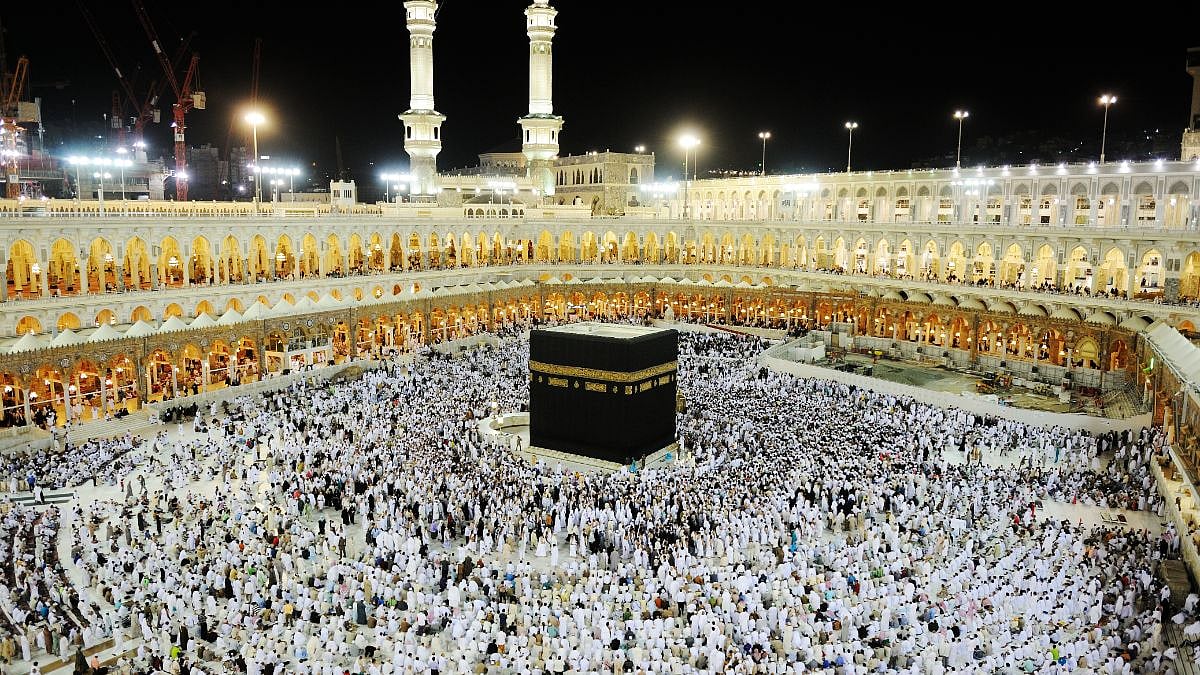
Eid al-Adha also marks the completion of major Hajj rituals. On this day, pilgrims perform Qurbani after offering prayers in Mina. Muslims worldwide who are not performing Hajj also celebrate the occasion with Eid prayers, charity and family gatherings.
Eid al-Adha 2026
The sacred festival is expected to fall on May 27, 2026. Meanwhile, in India, the festival is expected to fall a day later, on May 28. On this day, Muslims perform Qurbani, the ritual sacrifice of an animal such as a goat, sheep or camel. After that, the meat is traditionally divided into three parts: one for the family, one for relatives and friends, and one for the poor and needy.

