
In a significant step towards strengthening vulture conservation in Assam, the state government has released 10 captive-bred vultures into the Biswanath Wildlife Division. The initiative aims to support the recovery of declining vulture populations and restore the ecological balance in the region. Environment, Forest and Climate Change Minister Jayanta Malla Baruah released 10 captive-bred vultures into the wild from the Jatayu Aviary at Tewaripal in Biswanath Wildlife Division.
Conservation initiative in Assam
The programme formed the highlight of the Minister's visit to Kaziranga National Park & Tiger Reserve and Nameri Tiger Reserve, during which the minister has also inaugurated the Florican Eco-Reserve, the Florican Eco-Tourism Gate at Naramari and the Nameri Silver Jubilee Conference Hall, besides launching several community development initiatives.
First-ever release of captive-bred vultures
Assam's release of captive-bred vultures marks a historic milestone, as it is the first-ever release of captive-bred slender-billed vultures equipped with GSM-GPS satellite transmitters for post-release monitoring anywhere in the world. The initiative places Assam and the Kaziranga landscape at the forefront of global vulture conservation. Both the slender-billed vulture and the white-rumped vulture are listed as critically endangered species.
Why vulture conservation matters?
Vulture populations in India witnessed a severe decline over the past few decades, particularly due to the use of veterinary drug diclofenac in livestock. The drug can be fatal to vultures when they consume the carcasses of treated animals.
The decline in vulture numbers has raised concerns about ecological and public health consequences. With fewer vultures to dispose of carcasses, other scavengers may increase, potentially contributing to the spread of infections.
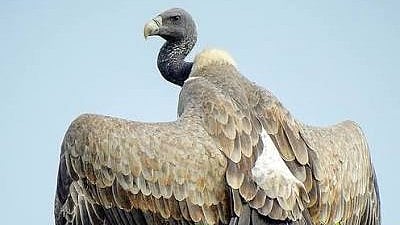
Captive breeding and subsequent release into suitable habitats have therefore emerged as important conservation strategies. Such programmes seek to increase wild populations while ensuring that released birds can adapt to their natural surroundings.

