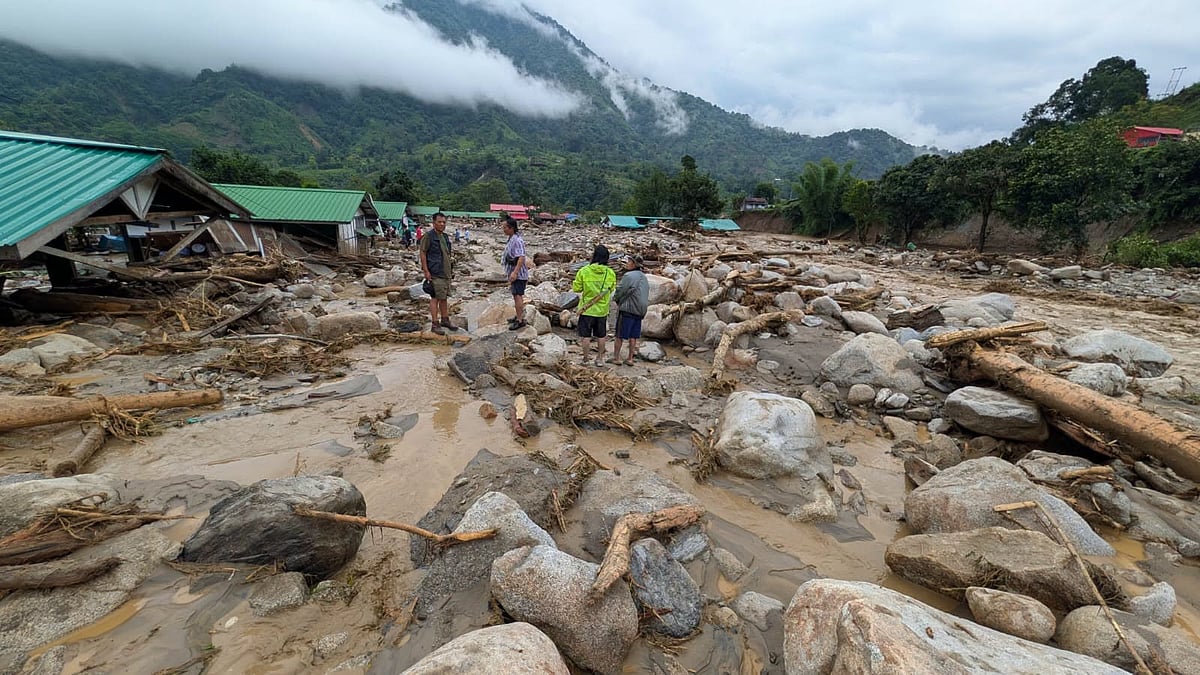
Many parts of northern India, which were suffering from scarcity of rainfall due to reports of missing clouds in the Himalayan region, are now witnessing rainfall, while many states are facing flood-like situations, especially in the north-east region of India, including Arunachal Pradesh. In the state, floods and landslides have affected thousands across 12 districts of Arunachal Pradesh, with the death toll rising to three in Keyi Panyor district. Many houses and buildings have been washed away, submerged roads, and triggered landslides.
Flood situation in Arunachal Pradesh
Heavy rainfall has triggered widespread flooding and landslides across Arunachal Pradesh, affecting thousands of people and disrupting normal life in several districts. Overflowing rivers, damaged roads, washed-away bridges, and inundated villages have forced many families to leave their homes as rescue and relief operations continue.
Why the state is flood-prone?
Arunachal Pradesh experiences frequent floods due to a combination of geographical and climatic factors. The state lies in the eastern Himalayan region, where steep mountains and deep valleys cause rainwater to flow rapidly into rivers. During the southwest monsoon, the region receives intense and prolonged rainfall, significantly increasing river levels.
Major rivers such as the Siang, Subansiri, Kameng, Lohit, and Dibang originate in the Himalayas and carry enormous volumes of water downstream. When these rivers swell during heavy rains, they often overflow their banks, which leads to flooding in low-lying areas. Flash floods are also common because mountain streams rise rapidly after intense rainfall.
Fragile geology and seismic activity
Arunachal Pradesh is classified as Seismic Zone-V, a highly active seismic zone, and updated national zonation frameworks now recognise it as part of an even higher Zone VI, meaning that the region has extreme tectonic vulnerability in the Himalayan belt. Because the region is in a frequent earthquake zone, it loosens the soil and rock. This debris frequently blocks river channels, creating temporary dams that eventually burst and trigger devastating floods.
Deforestation and aggressive infrastructure development are also responsible for floods, as they have degraded the natural environment, increasing the intensity and frequency of mudslides and floods.
IMD warned of the risk of flooding in future as well
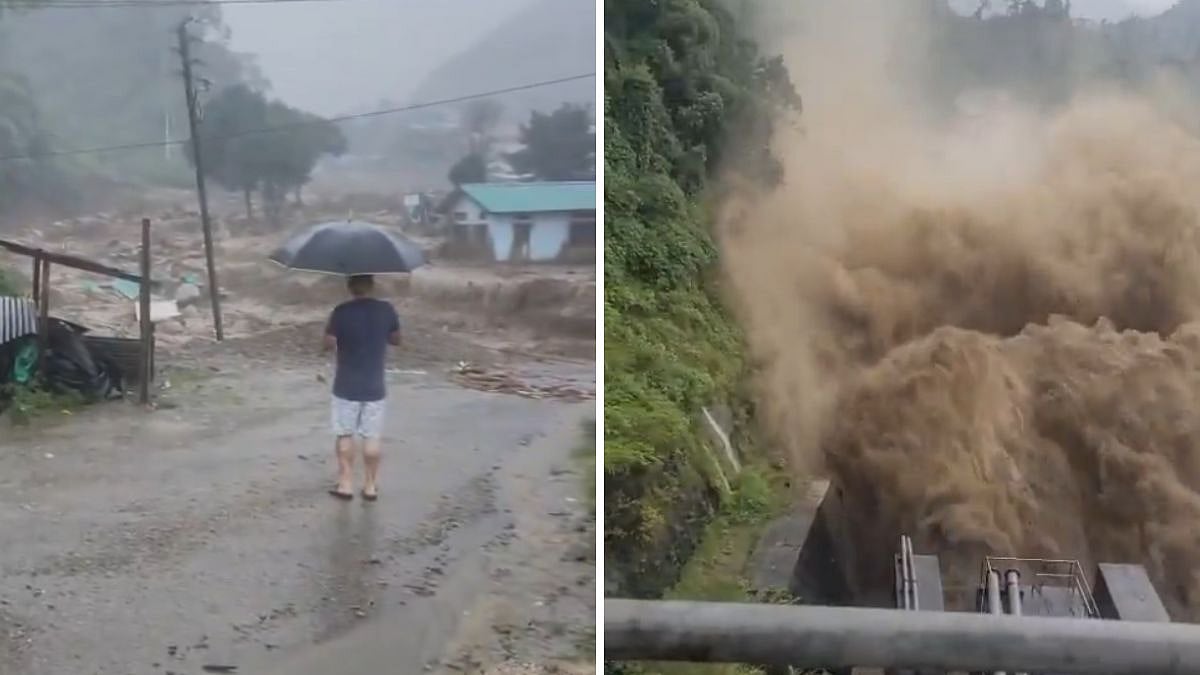
According to the India Meteorological Department (IMD), the flash flood in Arunachal Pradesh was triggered by an intense cloudburst-like rainfall event rather than prolonged rain over several days. The weather department further said that when a large amount of rain falls within a short period, especially in the steep terrain of the Eastern Himalayas, water rapidly runs off mountain slopes into streams and rivers. The agency also said that the combination of saturated soils, swollen rivers, and continued monsoon activity could keep the risk of flooding and landslides elevated across the state in the future.

