Tribal Co-operative Marketing Development Federation of India Limited (TRIFED) has been diligently working for the betterment of tribals in India since quite some time now. Their latest initiative is to take tribal art to the larger audience and make it economically feasible for the tribals to conserve their legacy.
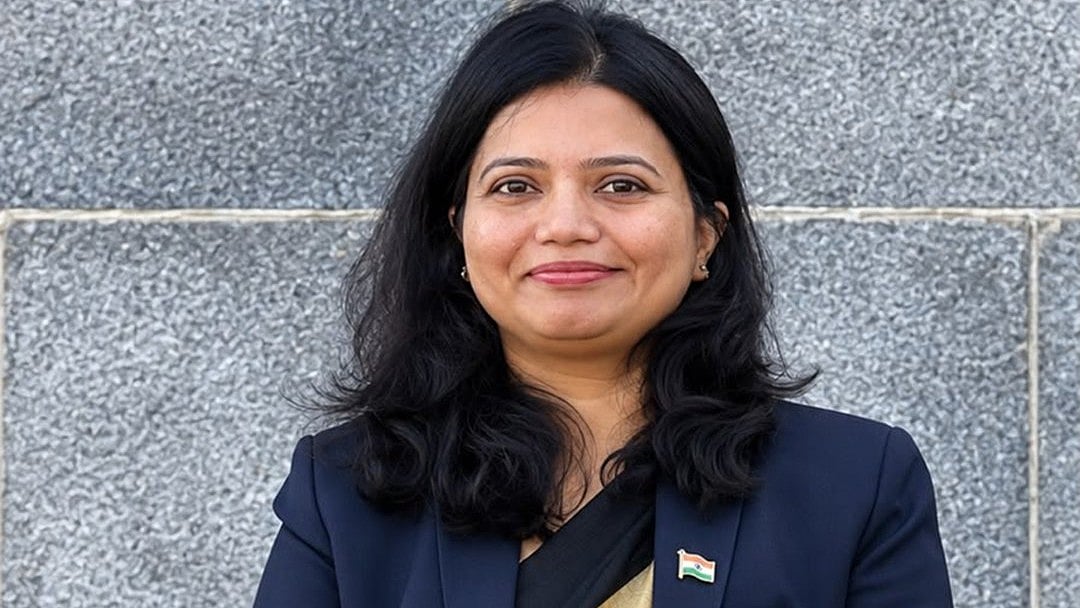
Dr Tarul Bhavsar IRS, Deputy General Manager – TRIFED Maharashtra, the person behind the upcoming exhibition, said that tribal art should not be viewed merely as a cultural artefact of the past, but as a living creative expression with immense contemporary relevance.
Tribes Art Fest will be held from December 1 to 10, at the National Gallery of Modern Art, Mumbai.
Excerpts from the interview:
How did you select the states and tribes which will be represented at the exhibition?
The Tribes Art Fest has been envisioned as a national platform that brings together the diversity, richness and distinctiveness of tribal art traditions from across India. The selection has been guided by the diversity of art forms, geographical representation, cultural significance, the uniqueness of artistic traditions and the opportunity to showcase both established and lesser-known tribal art forms. Our endeavour is not merely to showcase art that is already widely recognised, but also to bring visibility to communities and artists whose traditions deserve a wider national audience. We want visitors to experience the extraordinary diversity of India’s tribal artistic heritage, with each art form representing a distinct cultural narrative, relationship with nature, community identity and traditional knowledge system.
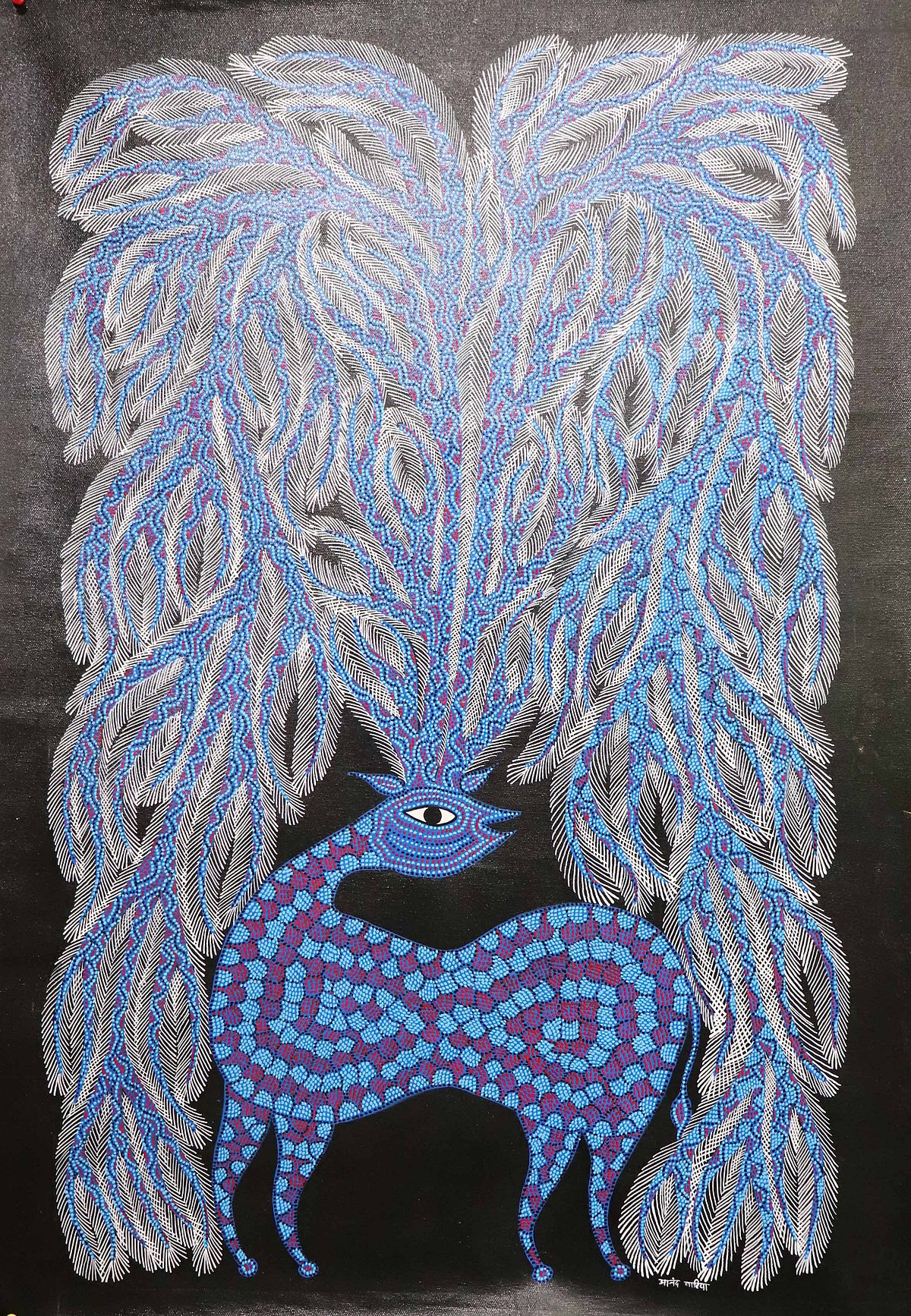
Artist Anand Bharia (Bhil) |
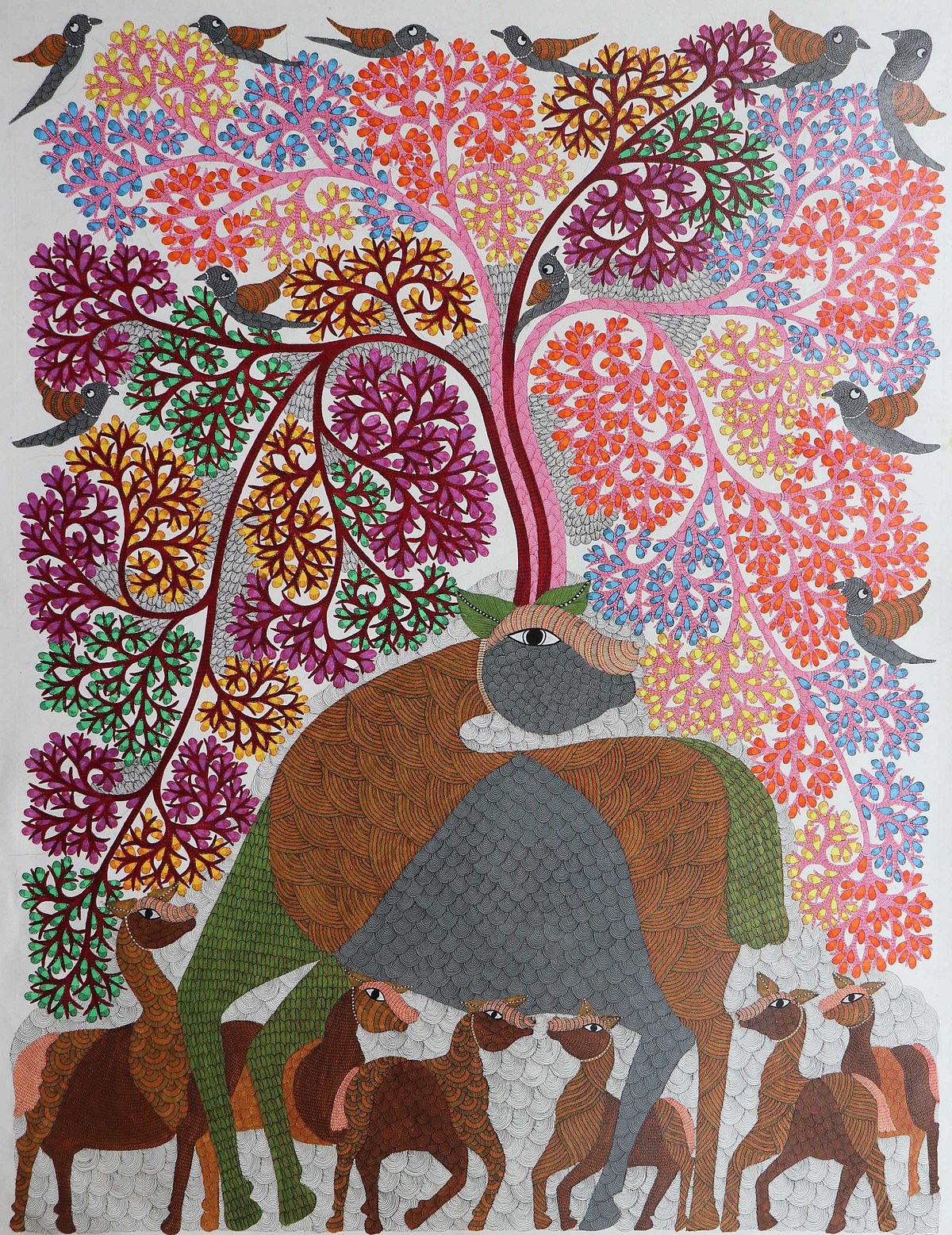
Artist Ramesh Shyam (Gond) |
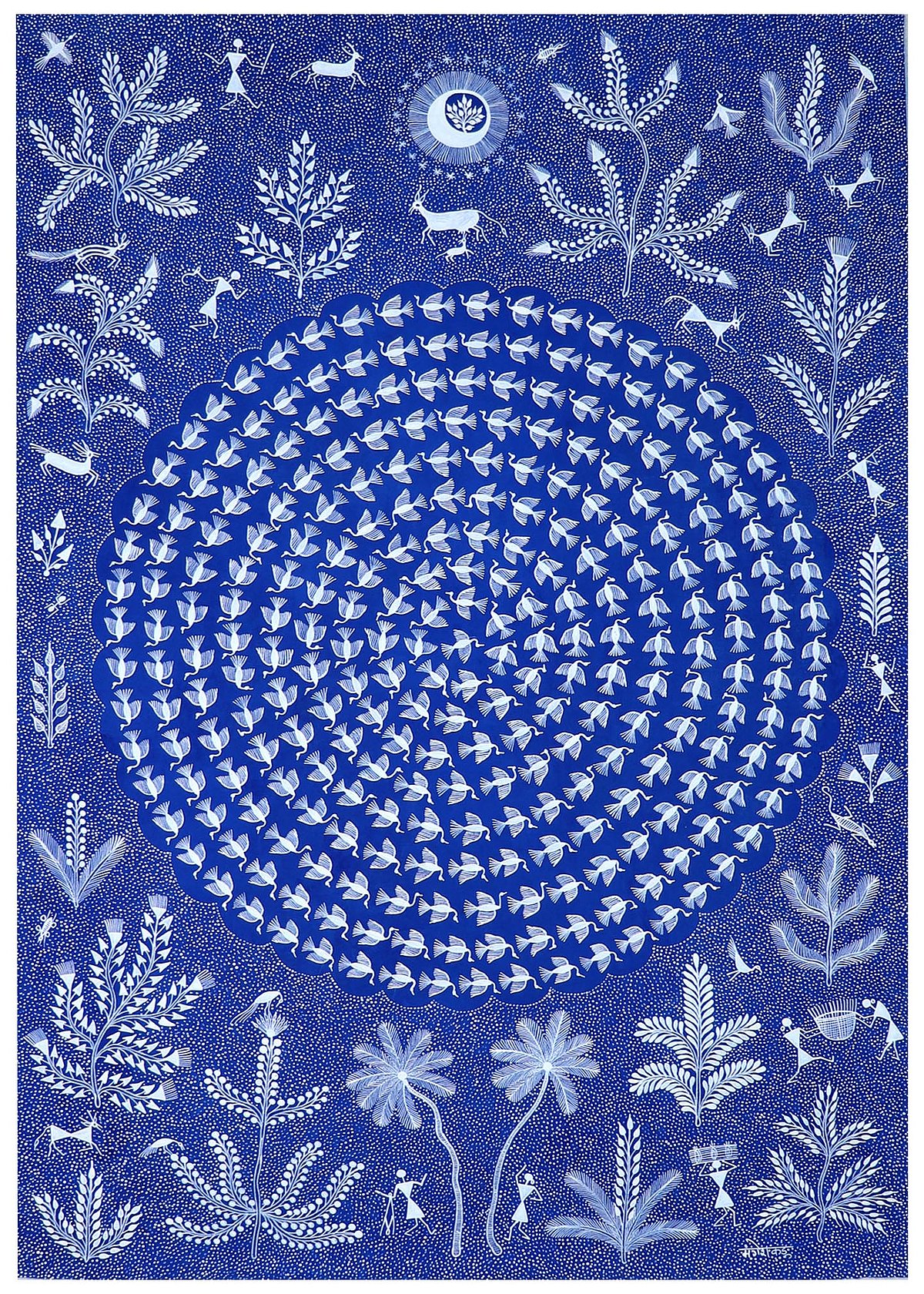
Artist Mangesh Kadu (Warli) |
Does TRIFED supply them raw material required for such exhibitions?
TRIFED’s role is primarily to provide market access, visibility, institutional support and platforms for tribal artisans and their products. The artists generally create their works using materials, techniques and knowledge that are intrinsic to their respective traditions and communities. Artisans themselves procure and use raw materials as per their requirements.
How difficult is it to convince tribals to display their art at such places and why?
For many tribal artisans, art is not simply a commercial product; it is an expression of their community’s identity, traditions, beliefs and lived experiences. Bringing these artists to metropolitan platforms involves overcoming challenges relating to distance, logistics, familiarity with urban markets, language and the opportunity cost of leaving their communities and workplaces. However, there is also a growing enthusiasm among artisans to participate when they see that such platforms offer genuine appreciation, direct interaction with buyers, recognition of their artistic skills and opportunities for sustainable livelihoods.
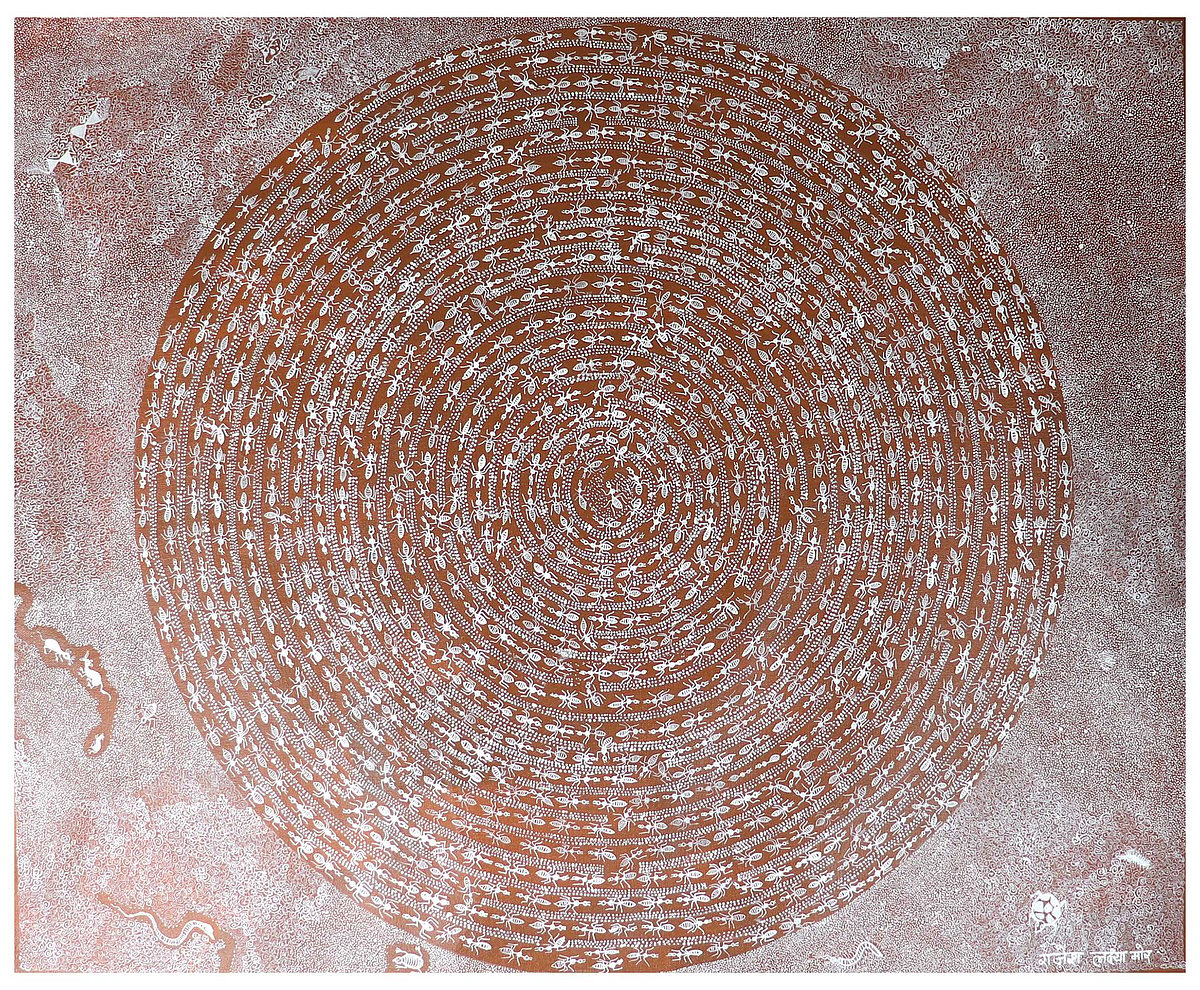
Artist Rajesh Mor (Warli) |
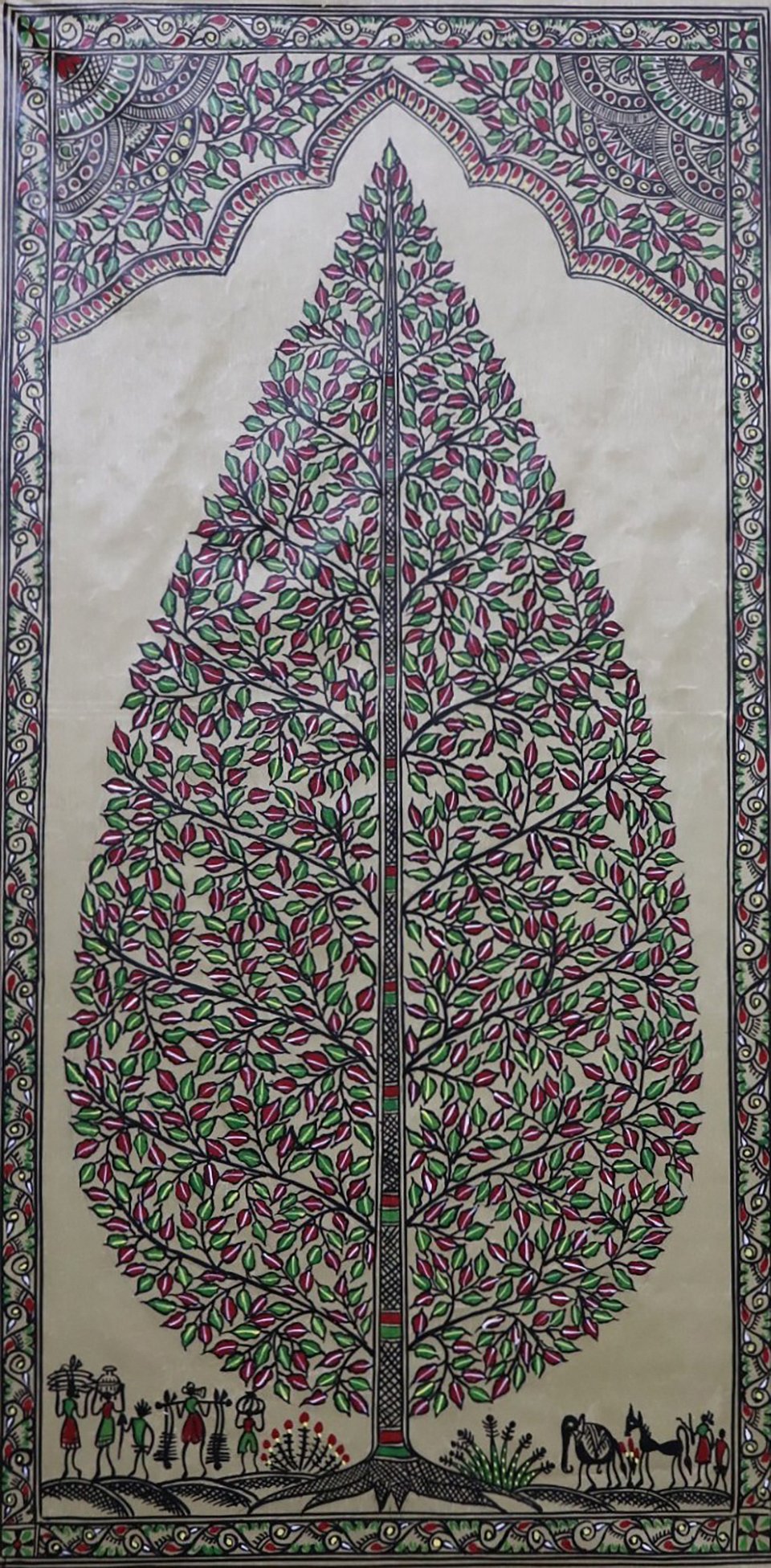
Artist Purandar Naik (Saura) |
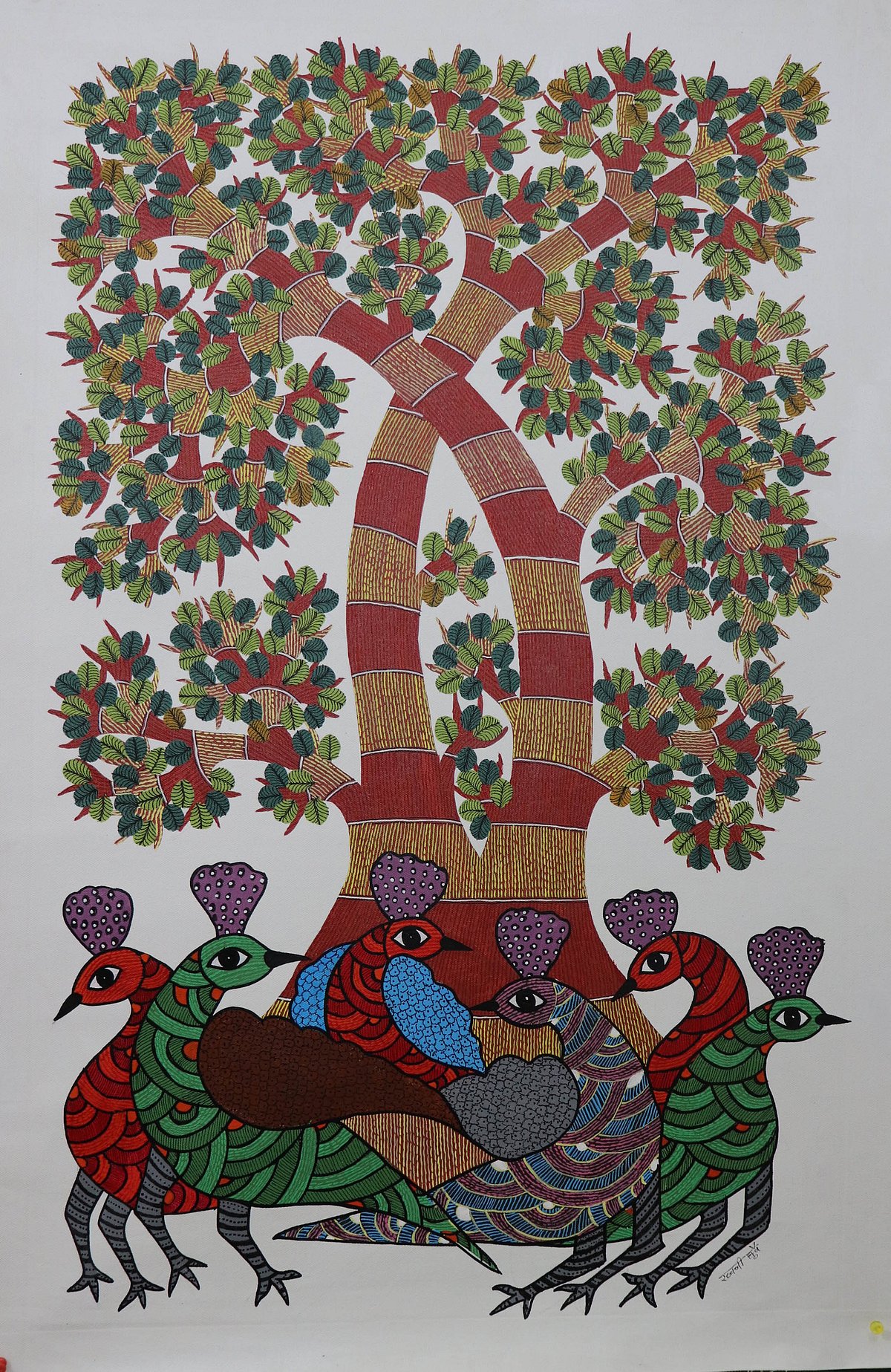
Artist Rajni Dhurve (Gond) |
There are many more tribes in South India which rarely find a mention or platform the north Indian or central Indian tribes do. Why?
India’s tribal artistic heritage is extraordinarily diverse, and this diversity extends across the North, East, Central India, Western India and the southern states. While certain art forms have historically received greater visibility in mainstream exhibitions and markets, there are equally remarkable traditions amongst tribal communities that deserve greater exposure.
Recognising this, TRIFED has envisaged various regional editions of Tribes Art Fest (TAF), which would provide a more focused platform for tribal art forms and artisans from different regions of the country. A proposed Southern Edition of Tribes Art Fest (TAF), for instance, would bring the artistic traditions of tribal communities from southern India into the spotlight.
The idea behind these regional editions is to ensure wider, more equitable and meaningful representation of tribal communities from across the country, so that artisans from every region have a fair opportunity to showcase their art, engage with audiences and access new markets. Our endeavour is to make tribal art promotion more inclusive and representative of India’s rich indigenous cultural diversity.
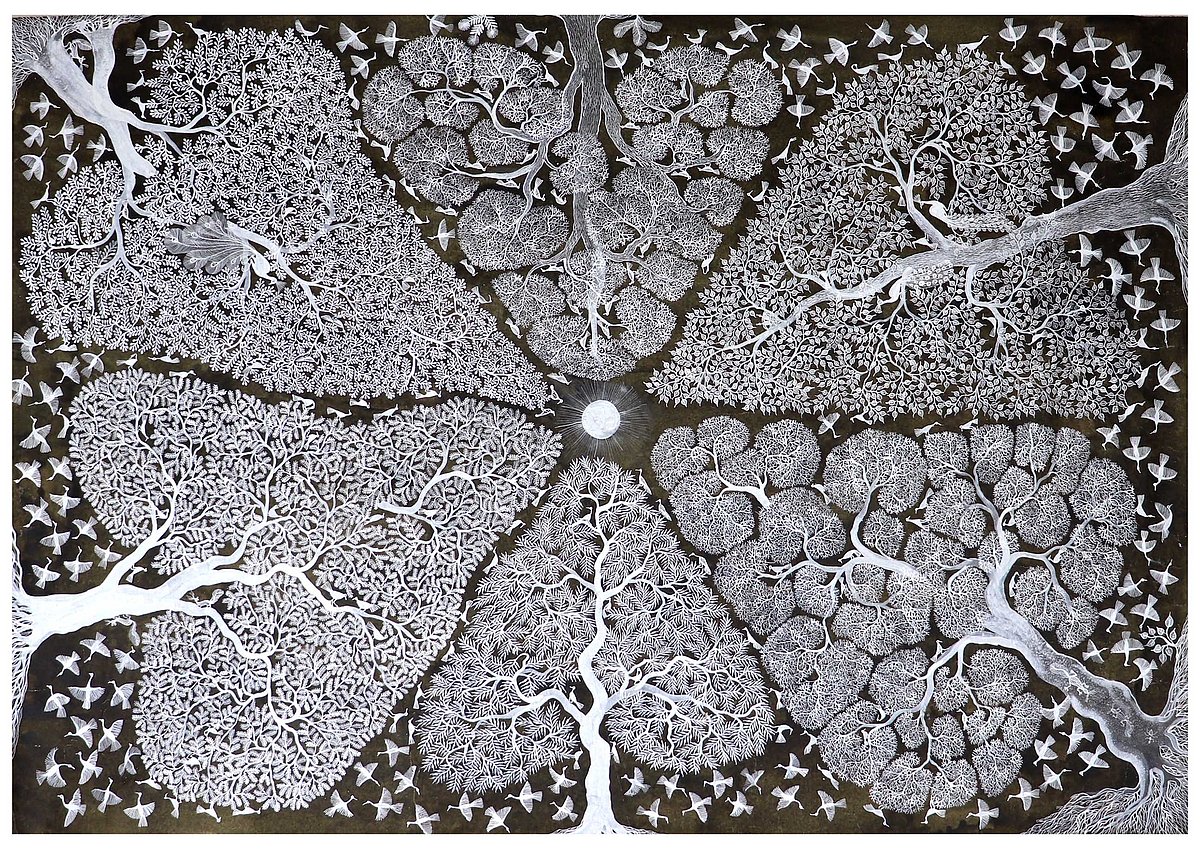
Artist Rajesh Mor (Warli) |
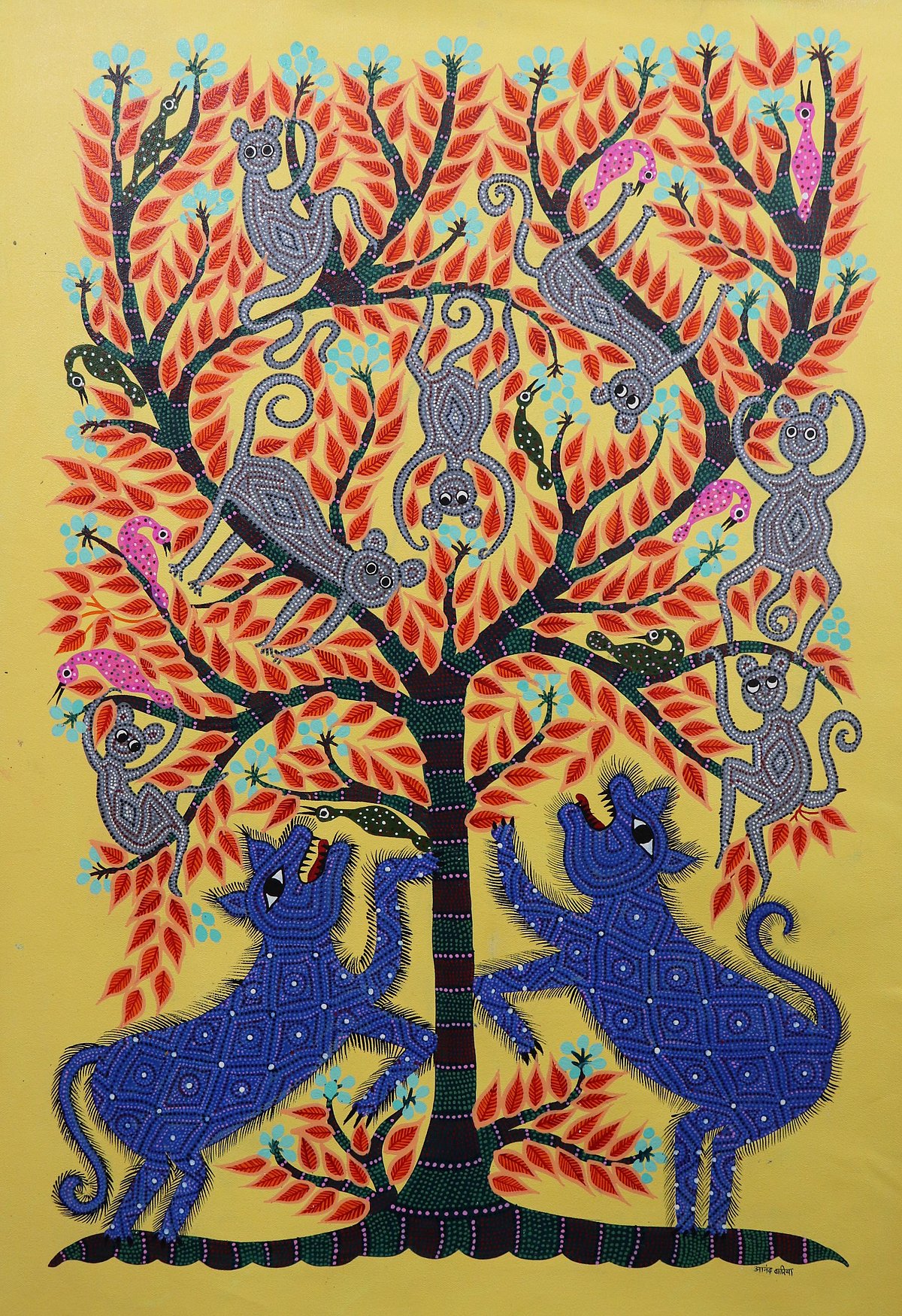
Artist Anand Bharia (Bhil) |
What percentage of earnings from such exhibitions actually goes to the tribals?
The central philosophy of such platforms is to ensure that artisans benefit directly from the sale and appreciation of their work. Where artisans sell their products directly at the exhibition, the entire sale proceeds go to the artisan, without any service charges being deducted by TRIFED from those sales.
Beyond immediate sales, such exhibitions also create opportunities for future orders, buyer connections, collaborations, institutional procurement and greater recognition of tribal art. We view the success of an exhibition not merely in terms of footfall, but in the economic opportunities and lasting market linkages it creates for the artisans.
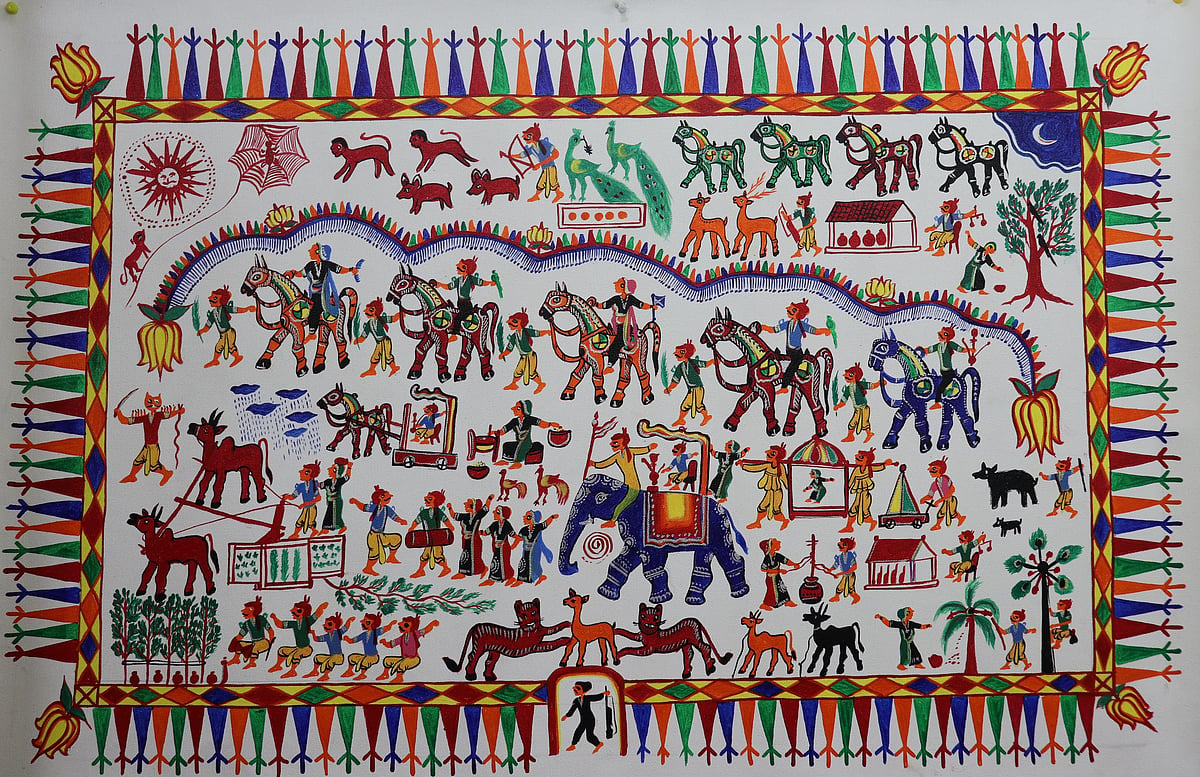
Artist Hardik Rathwa (Pithora) |
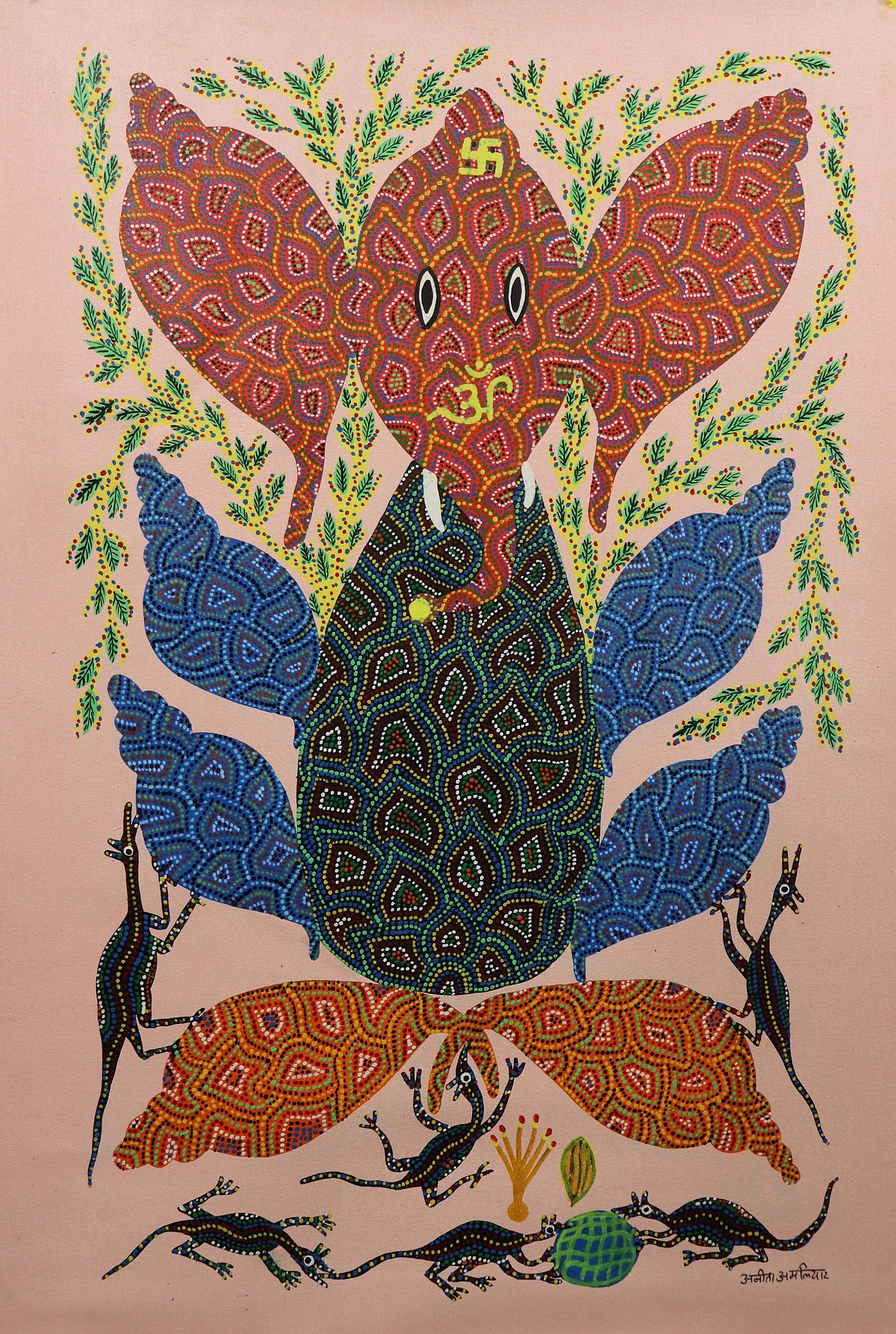
Artist Anita Amliyar (Bhil) |
Can you elaborate on the current active schemes for tribals in India to promote their local art and culture?
The Government of India, particularly through the Ministry of Tribal Affairs and TRIFED, is working through several initiatives to strengthen tribal livelihoods, preserve traditional knowledge and promote tribal products, crafts and cultural heritage.
TRIFED plays an important role in promoting tribal products through market development, exhibitions, retail platforms under TRIBES India, participation in national and international events, product development, branding and buyer outreach. Initiatives such as the Van Dhan Vikas Kendra programme seek to strengthen value addition, entrepreneurship and collective economic activity among tribal communities.
Through platforms such as Tribes Art Fest, we seek to complement these initiatives by bringing tribal art directly to wider audiences, collectors, institutions, designers and markets. The larger objective is to ensure that tribal art is not only preserved as heritage, but also recognised as a living, evolving creative tradition that sustains artists and communities.

