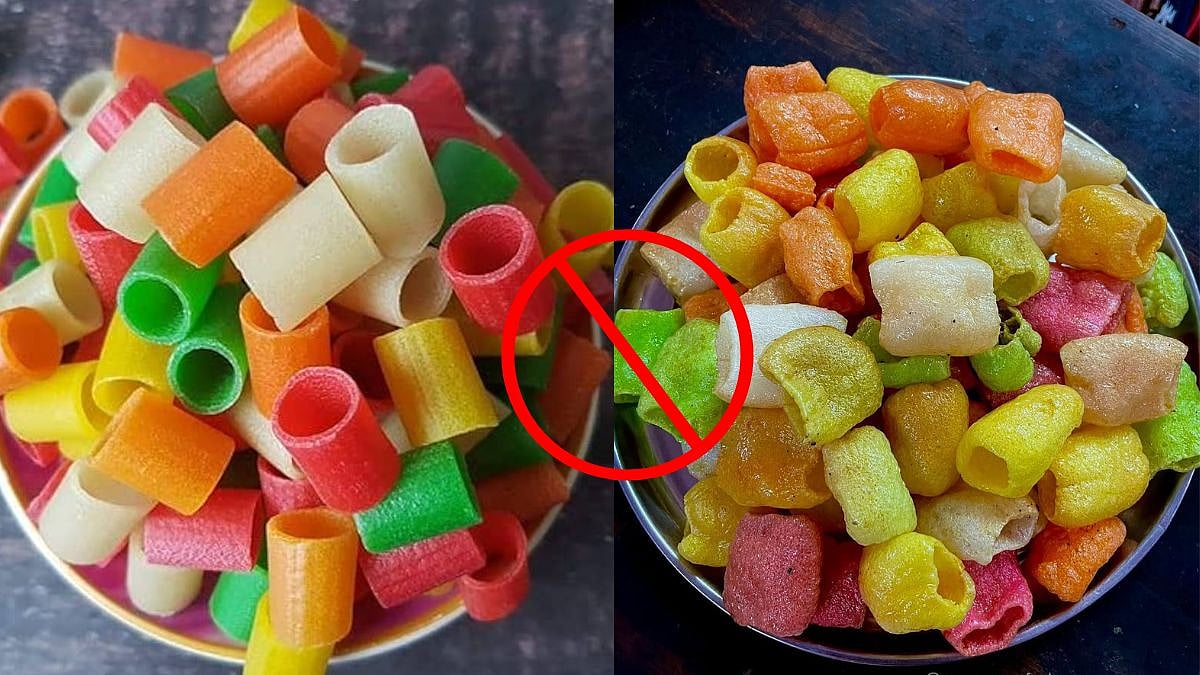
Tamil Nadu bans sale of coloured papads made with excessive artificial colours across the state. The Tamil Nadu Food Safety Department has ordered a ban on sale of coloured papads containing excessive colouring agents, which cites serious health concerns, particularly among children.
Ban on coloured papads
The state's recent decision to ban the manufacture, storage, distribution and sale of coloured papads has sparked discussions about food safety and the use of artificial colours in everyday snacks. The state government took the step after food safety officials found that some coloured papads contained synthetic dyes that are not permitted for use in such food products. Keep on reading to know more.
Tamil Nadu bans colourful papads
The Tamil Nadu Food Safety Department has banned the sale of coloured papads containing excessive amounts of artificial colouring. Tests found that many papads contained artificial colours in excess of the prescribed limit. Popular among children, experts say these colours can cause digestive problems, allergies, and kidney problems. The FSD further warned that children consuming such products could be more vulnerable to allergic reactions and behavioural problems, including Attention-Deficit/Hyperactivity Disorder (ADHD).
Why were coloured papads banned?
According to the Tamil Nadu Food Safety Department, inspections revealed that certain manufacturers were using artificial colours, including non-permitted synthetic dyes, to make papads appear brighter and more attractive. Officials warned that these colours violate the Food Safety and Standards Authority of India (FSSAI) regulations, prompting the state-wide ban.
Are coloured papads harmful?
Not every coloured papad is unsafe. The concern lies with papads made using non-permitted or industrial-grade synthetic colours. Regular consumption of such products may pose health risks, especially if they contain chemicals that are not approved for food use.
Health experts say prolonged exposure to harmful food dyes may cause allergic reactions, skin irritation, digestive problems and hyperactivity in some children. Certain unauthorised synthetic colours have also been linked to more serious health concerns when consumed over a long period.
Papads made without artificial colours or those using FSSAI-approved food-grade ingredients remain safe for consumption.
FSSAI's advice for consumers
FSSAI has advised that consumers prefer traditionally prepared papads made from ingredients such as urad daal and rice flour. The officials have further clarified that use of approved food colours within prescribed limits is permitted under food safety regulations. Parents have specifically been urged not to purchase brightly coloured papads solely because they appear attractive to children.

