The Hindu month of Kartik holds special significance in Sanatan Dharma and is considered one of the most auspicious periods for prayer, devotion and spiritual practices. During this sacred month, devotees observe several rituals, including Deep Daan, Tulsi worship and the lighting of lamps. One such traditional practice is Akashdeep, in which lamps are placed at an elevated height and lit as an offering to the divine. It is usually observed in Uttar Pradesh.
What is Akashdeep?
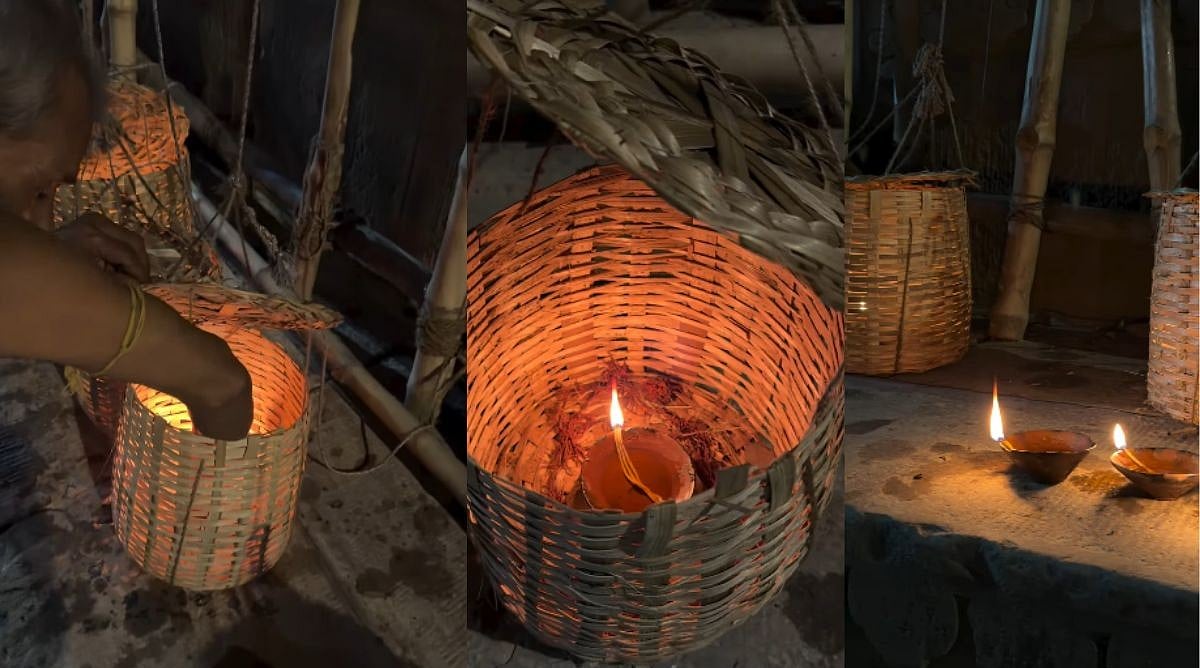
Akashdeep, also known as Akash Deepa, is a traditional Hindu ritual in which an earthen lamp (diya) is lit and placed high above the ground, often on a tall bamboo pole or a specially designed structure. The word 'Akashdeep' combines two Sanskrit words: 'Akash', meaning sky, and 'Deep', meaning lamp. The practice is observed during the month of Kartik in the evenings. This year, it started around October 25–27, 2026, around Sharad Purnima and the beginning of Kartik, and continues through the month.
Why are sky lamps lit during Kartik?
Lighting Akashdeep is considered an act of devotion and spiritual offering. The elevated lamp symbolises the offering of light to the heavens and is associated with seeking divine blessings, prosperity, peace and spiritual well-being.
Connection with ancestral worship
The ritual is also traditionally connected with paying respects to ancestors. According to certain Hindu beliefs, the light is offered to guide departed souls and honour one's forefathers. During the ritual, earthen lamps (diyas) are placed inside wicker baskets and hoisted high on tall bamboo poles. The glowing lamps serve as guiding lights and offerings of devotion, often dedicated to ancestors.
Significance of Deep Daan
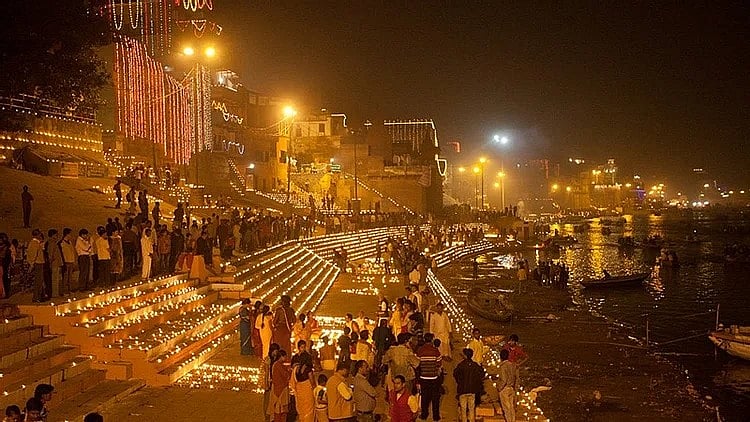
Kartik is considered especially sacred for the worship of Lord Vishnu. Lighting lamps during this month is believed to remove darkness, symbolising the victory of knowledge over ignorance and positivity over negativity. The practice of lighting lamps is also associated with Deep Daan.

