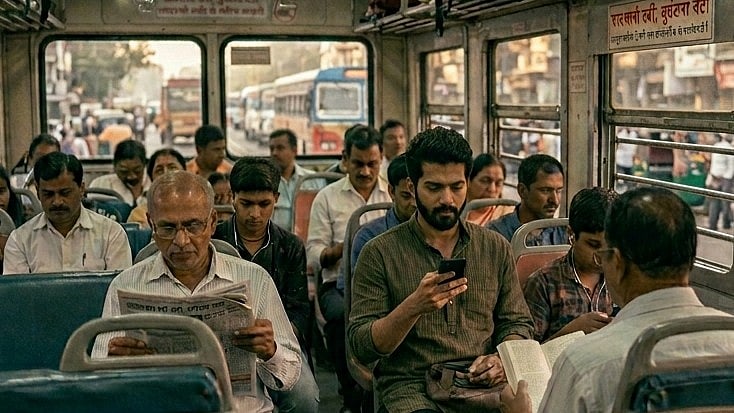
One must know when to stop using phones in public places. In today's hyperconnected world, smartphones have become essential tool for communication entertainment and information. However, with increasing phone usage in public spaces comes with a responsibility to respect others, that is, comfort, privacy and peace. How we use them affects everyone around us.
In shared spaces, a little awareness can go a long way. Practising simple phone etiquettes isn't about restriction, it’s about respect.
This is where digital courtesy comes in. It is not about limiting freedom or discouraging phone use, but about using technology with awareness and consideration. Thoughtful phone behaviour reflects empathy, respect, and social intelligence. As our reliance on digital devices continues to grow, cultivating mindful habits in public spaces is no longer optional, it is essential for maintaining harmony in shared environments.
Don't walk & talk
Talking on the phone while walking may seem harmless, but it divides your attention. You could bump into someone miss a signal or even risk an accident.
Try this instead: Step aside and take the call or send a quick text.
Limit scrolling
Scrolling through reels during your commute might pass the time, but it also reduces awareness. It can make you an easy target for theft and distract others around you.
Better idea: Read, listen to a podcast or simply observe your surroundings.
Avoid speaker mode
Using speakerphone in shared spaces forces everyone else into your conversation. It is intrusive and often uncomfortable for others.
What to do: Hold the phone to your ear or find a private spot.
Use headphones
Playing music or videos loud in buses or trains creates unnecessary noise for others.
Simple fix: Use earphones or headphones and keep the volume at a reasonable level.
Keep your voice low
Speaking loudly on calls can disturb an entire room or compartment.
Rule of thumb: Speak as if the person is sitting right next to you or tell them to call back later if not urgent.
No phone while walking
Looking down at your screen while walking is risky, since you might collide with someone or miss what's happening around you.
Safer approach: Stop at a side spot if you need to check your phone.
Text instead of calling
Not every conversation needs to be a call, especially in public spaces.
Smarter choice: Use message for non-urgent communication and save calls for private settings.
Respect privacy
Taking photos or videos without someone's consent can invade their privacy and dignity.
Be mindful: Always ask before capturing someone and respect their answer.
Good phone manners aren't about strict rules - they are about everyday kindness. Each small action whether it’s lowering your voice or putting on headphones, it helps to create a calmer and more respectful environment for everyone.
In a world where personal devices dominate our attention, it becomes even more important to remain aware of the people and environment around us. Every public space we enter is shared, and our behaviour contributes to the experience of others, whether positively or negatively.

By adopting simple practices, like stepping aside for calls, lowering our voices, using headphones, or asking consent before taking photos, we actively contribute to creating a more comfortable and inclusive atmosphere. These actions may seem small in isolation, but collectively, they shape the culture of how we coexist in an increasingly digital society. Digital courtesy is, at its core, an extension of basic human values applied to modern technology.
Technology is here to stay and help. The question is can we use it without disrupting the world around us.
A little awareness is all it takes.

