
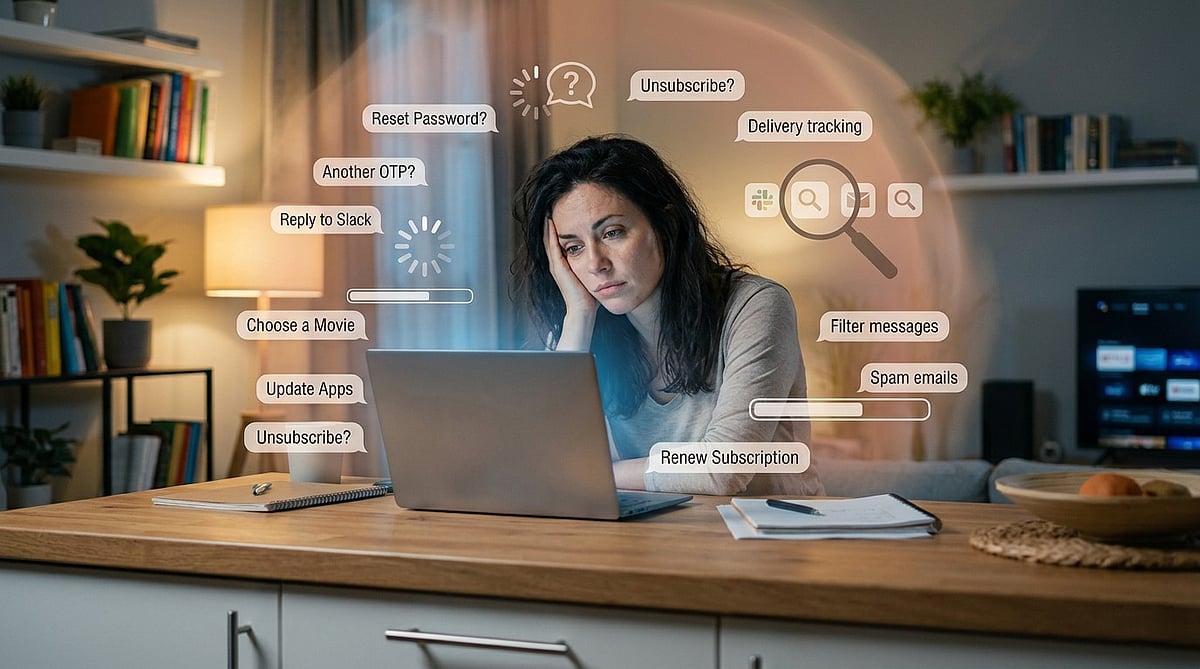
Technology has made our lives easier in many ways, with phones reminding us of meetings, suggesting what to watch, and even predicting what we want to buy, while apps track our health, keep us connected, and make work faster; however, as technology becomes better at understanding us, it is also becoming harder to switch off, and what once felt like convenience is now starting to feel like intrusion.
Today, many people wake up and immediately check their phones, with notifications from emails, messages, and social media beginning early and continuing throughout the day, and even after work hours, the same devices keep buzzing, making it difficult to truly relax and causing the line between work and personal life to become increasingly unclear.
The solution is not to reject technology completely. Technology is useful and important in modern life. The real shift we need is to redefine our relationship with it. We must learn to use technology in a way that supports our well-being, rather than harms it.
“When we don’t switch off from our devices, our minds never fully switch off either. This constant state of alertness can quietly build stress, disturb sleep, and reduce our ability to focus and feel present. Setting clear boundaries with technology is not just a habit it is essential for preserving mental clarity, emotional calm, and overall well-being,” says Ekta Dharia, clinical psychologist and psychotherapist.
Reclaiming control
The shift now is not about rejecting technology, but about redefining our relationship with it. Reclaiming control starts with small and practical steps. Here’s what you can do:
Set tech curfews: Choose a fixed time in the evening when we stop checking work emails and social media. This creates a boundary between work and personal life. It also gives our minds time to relax and prepare for sleep reducing stress and improving rest.
Curate notifications: Not every app needs our attention all the time. We can turn off notifications that are not urgent or meaningful. By reducing alerts, we can focus better on what we are doing and feel less overwhelmed throughout the day.
Create no-phone zones: We can designate spaces or moments as device-free. For example, we can keep phones away during meals. Avoid using them in the bedroom. This helps us be more present with people around us and improves both relationships and sleep quality.
Use tech intentionally: Instead of picking up your phone out of habit, pause and ask yourself why you are using it. Are you checking something important, or just passing time? Being mindful of your usage helps you take control and avoid unnecessary screen time.
Take regular screen breaks: Continuous screen use can tire your eyes and mind. Taking short breaks during the day even for a few minutes can refresh your focus and improve productivity. A quick walk, stretch, or simply looking away from the screen can make a big difference.
Finding balance
In the end, technology is not the problem. The way we use it is what matters. When we allow it to take over every moment, it becomes intrusive. But when we set boundaries and use it with purpose, it becomes a powerful tool that improves our lives. Dipal Mehta, a Mumbai-based practising counsellor and psychologist, says, “A mind that is constantly consuming has no space left to understand itself. Self-awareness grows in silence, not in scrolling. Setting boundaries with technology is not a restriction it is an act of self-respect.”
Finding the right balance is key, and by setting limits, reducing distractions, and being mindful of our habits, we can enjoy the benefits of technology without feeling overwhelmed. Reclaiming control is not about doing less, but about choosing wisely, and as technology continues to evolve, the challenge will remain; however, with awareness and simple changes, we can create a healthier relationship with our digital world, one where convenience does not come at the cost of our peace of mind.

