Kasrawad (Madhya Pradesh): Ancient and rare forms of Lord Ganesha are a major attraction at the District Archaeological Museum situated on a hill near Kasrawad town.
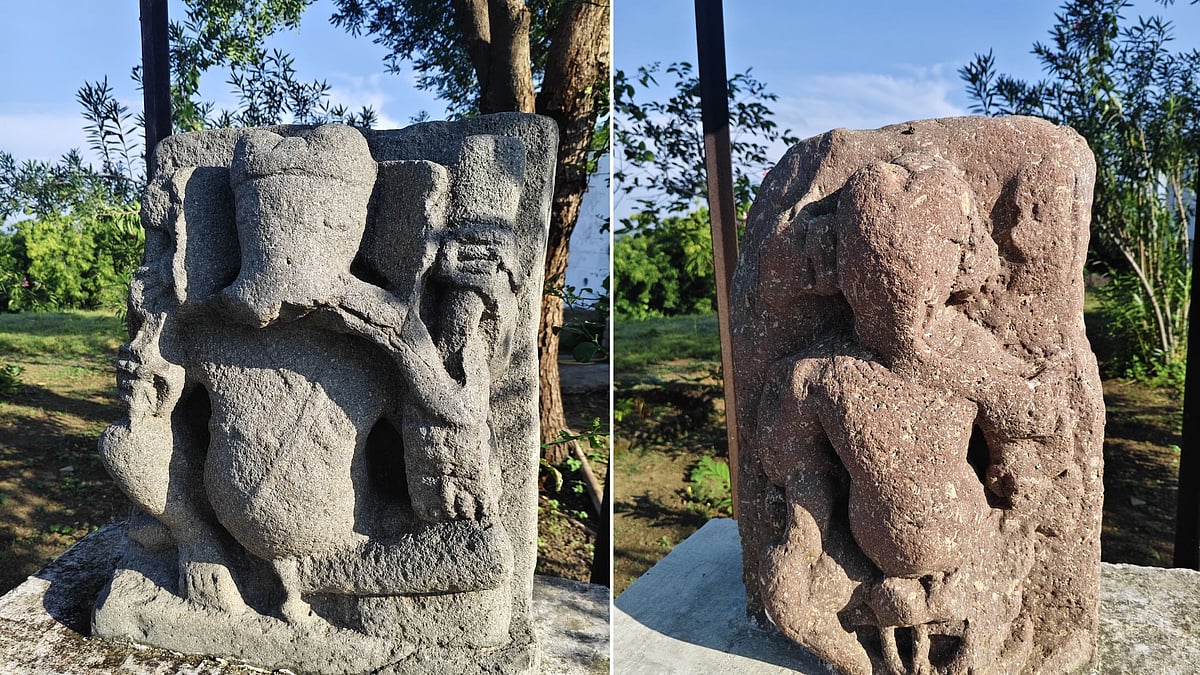
Around 10 historical Ganesha idols collected from Narmada submergence areas, including Khargone, Barwani, Barwaha and Vodri, have been preserved at the museum.
Dating approximately to the 10th-11th centuries AD, the statues are associated with the Parmar art tradition.
Some show Ganesha seated, while others depict him standing. A striking feature is the depiction of multiple forms of Ganesha carved on a single rock.
Large ears, a gentle face, long trunk, prominent abdomen and multi-armed forms are among their distinguishing features.
Their intricate stone carvings reflect the skill and craftsmanship of sculptors of the period. The figures, ornaments and anatomical features also provide glimpses of Parmar-period sculpture.
However, prolonged exposure to the environment and natural erosion has left several statues worn and damaged, making some details difficult to identify.
Collection from Narmada region
The statues are considered significant from an archaeological perspective and provide visitors an opportunity to understand the region's ancient art, religious traditions and history.
Heritage needs protection
Some statues kept in the open remain vulnerable to weather. Locals have demanded scientific conservation, proper display and information boards explaining their history and significance.
Sultan Anant Singh, former collection chairman and current Dhubela Chhatarpur Museum, said the statues depict Ganesha in seated and standing postures and are archaeologically important.