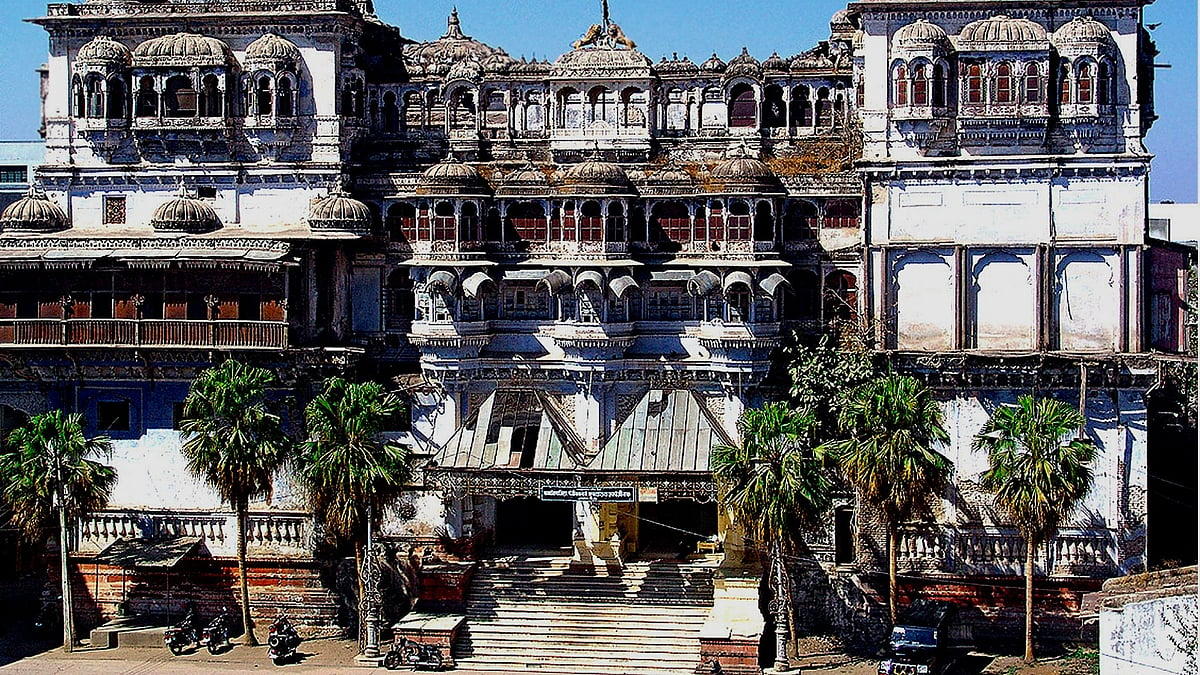
Ratlam (Madhya Pradesh): Once regarded as the pride of the erstwhile Ratlam Princely State, the historic Ranjit Vilas Palace is now battling neglect and deterioration, raising concerns among historians, heritage enthusiasts and residents over the future of the city's cultural legacy.
Built in the early 20th century during the reign of Maharaja Ranjit Singh, the palace symbolised the grandeur, architectural excellence and cultural sophistication of the Ratlam dynasty.
The structure blended royal Indian aesthetics with European influences and reportedly featured Belgian glass interiors, Italian wallpapers, massive chandeliers, intricately carved doors, and a grand royal assembly hall. The palace also housed modern amenities such as an elevator, considered rare during that period.
Over the years, however, the absence of an active successor to the royal lineage has resulted in poor maintenance of the palace. Cracks have appeared in the walls, decorative features are deteriorating, and large sections of the structure are gradually falling into disrepair.
Local historians and social organisations have repeatedly demanded that the government acquire the palace and declare it a protected heritage monument. They argue that the building represents not merely private property but an important part of Ratlam's historical and cultural identity.
Experts say the process of granting protected monument status involves detailed studies by the Archaeological Survey of India and the Madhya Pradesh Archaeology Department. Restoration costs, legal procedures and lack of administrative priority are believed to be major hurdles in the conservation process.
Citizens believe preserving Ranjit Vilas Palace would not only safeguard Ratlam's heritage but also boost tourism and historical research in the region. State Astrologer Pandit Gochar Sharma said Ratlam has a rich historical legacy and stressed that the palace must be preserved for future generations. Supporting the demand, Ratlam Press Club president Mukesh Puri Goswami said the District Press Club has been consistently urging authorities to conserve the heritage structure. Both emphasised that preserving the palace would help protect the region’s cultural identity and historical significance while promoting awareness about its architectural and historical value.