Indore (Madhya Pradesh): For many private schools in Indore, the Right to Education (RTE) scheme has become as much a financial burden as a social responsibility.
While schools continue to admit students from economically weaker sections under the Act's mandatory 25% quota, long delays in government reimbursements are leaving many struggling to pay salaries and meet day-to-day expenses.
School operators say the problem, which has persisted for years, has now reached a point where it threatens the financial stability of several institutions—particularly smaller schools that operate on limited budgets.
"RTE is challenging for schools because payments come extremely late," said Abhishek Shinde, media spokesperson for the MP Private School Association. "Most small schools face a cash crunch and find it difficult to pay teachers and other staff on time."
According to the association, the reimbursement process for the 2024-25 academic session has been fully completed at the administrative level, but the funds are yet to be released. Schools across Indore are collectively awaiting between Rs 150 crore and Rs 200 crore for that year alone.
The pending dues are not limited to one academic session. Around 90% of reimbursements for the 2023-24 session have been cleared, Shinde said, but nearly 200 schools are still waiting for their remaining payments. At the same time, the reimbursement process for the 2025-26 academic year has not even begun, adding to the uncertainty.
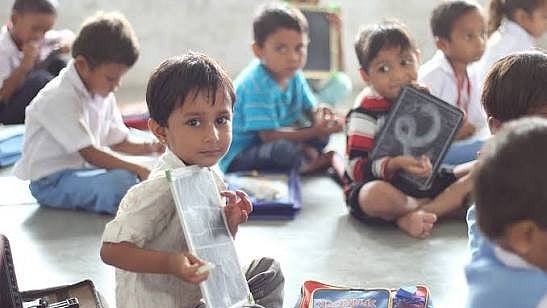
Under the Right to Education Act, private unaided schools are required to reserve 25% of entry-level seats for children from economically weaker sections. In return, the state government reimburses schools for the cost of educating these students.

The Madhya Pradesh High Court has also directed the government to process reimbursement claims within three months of submission, but school representatives say that timeline is rarely followed.
For many low-fee private schools, the delays have become more than an administrative issue. With salaries, maintenance costs, utility bills and safety compliance expenses continuing every month, schools are often forced to rely on reserves or postpone payments while waiting for government funds.
As the new academic session progresses, the MP Private School Association is urging the state government to introduce a predictable, transparent reimbursement schedule. School representatives warn that unless payments become more timely, the growing financial strain could undermine the sustainability of the RTE system and affect the quality of education provided by private schools.