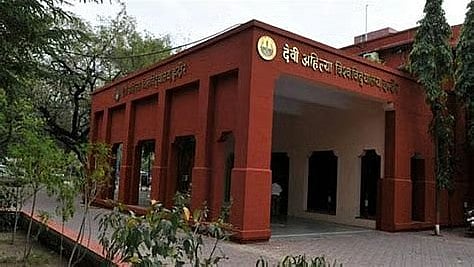
Indore (Madhya Pradesh): The impact of deficient rainfall and a looming water crisis in Indore is now being felt at Devi Ahilya Vishwavidyalaya (DAVV) too, prompting the university administration to draw up a summer contingency plan.
In a major change, semester examinations will be held ahead of schedule, academic sessions will be rearranged and students will have to vacate hostels during the summer vacation to reduce water demand.
The university is planning to advance the December semester examinations to Nov 15, while examinations scheduled for April-May will be completed by March 30. The move is aimed at ensuring that students finish their syllabus before the peak summer months, when water shortages are expected to intensify.
The university administration has directed the study departments to complete the syllabus before March. To meet the revised schedule, additional classes are being conducted across 28 departments. The semester break after examinations will also be shortened so that classes for the next semester can begin earlier, ensuring that academic activities are not disrupted.
Groundwater depletion raises concern
The water situation has become a concern across DAVV's RNT Marg, UTD and Institute of Engineering and Technology (IET) campuses. The university has 16 borewells that supply water to its campuses and residential facilities. Of these, two have dried up, while groundwater levels in six others have declined significantly, according to information provided by the university.
The IET campus has five borewells where water levels remain stable. However, groundwater levels have fallen in several borewells at UTD, RNT Marg and the residential campuses, making it increasingly difficult to fill overhead tanks. In some cases, tanks are being filled in two to three rounds, reflecting the strain on the existing water supply.
With the possibility of borewells failing to meet demand during summer, the administration has decided that students will not be allowed to stay in hostels during the summer vacation. The move is intended to reduce consumption when groundwater availability is likely to be at its lowest.
The revised academic calendar is also expected to help the university avoid disruption during the hottest months. By completing examinations and coursework earlier, DAVV hopes to reduce the number of students staying on campus during the period of acute water stress.
The measures underline how inadequate rainfall is forcing educational institutions to prepare for potential water shortages, with DAVV now adjusting both its academic schedule and hostel arrangements to manage the anticipated summer crisis.


