Indore (Madhya Pradesh): November may have arrived on the calendar, but the city is yet to experience the winter chill during the day. With temperatures remaining relatively warm, air conditioners continuing to run and groundwater levels declining, changing climatic conditions are increasingly reflected in the city’s electricity consumption.
The city has recorded an 11% rise in power consumption over the corresponding period last year, taking annual per capita consumption to nearly 1,300 units.
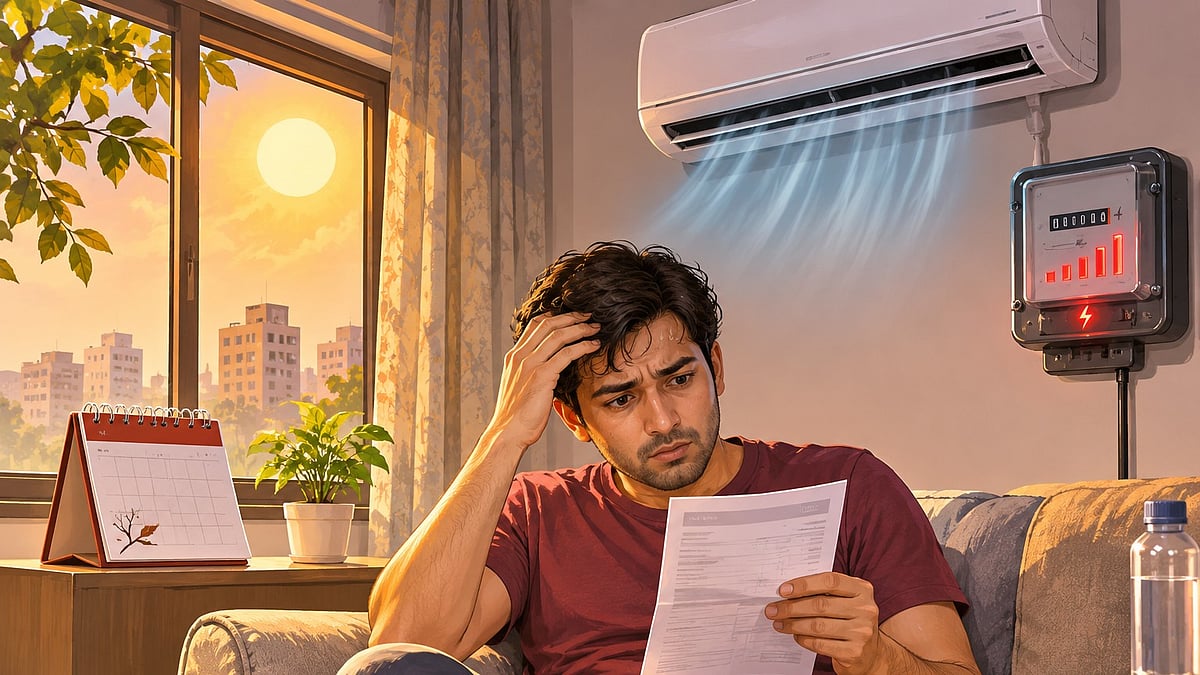
The trend comes in a year marked by deficient rainfall and El Niño-related climatic concerns. While changing weather patterns have prolonged the use of cooling appliances, the growing dependence on electrical appliances and water pumps is adding to household consumption.
West DISCOM superintendent engineer Manendra Garg said changing climatic conditions have influenced electricity demand in several ways.
Earlier, air conditioner usage was largely concentrated between late March and June, covering the pre-summer, summer and post-summer period.
“However, the pattern has changed, with residents continuing to use air conditioners even in November as temperatures remain warmer than expected,” said Garg.
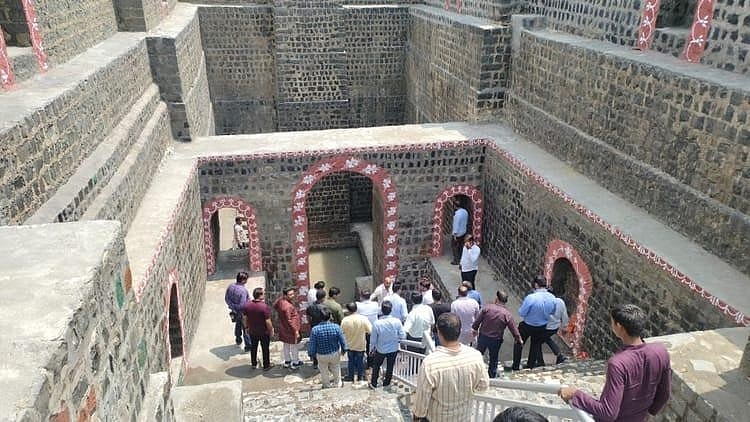
Falling groundwater levels are another contributor. Borewells in several residential areas, apartments, and individual houses now have to draw water from depths of around 200 to 400 feet.
Consequently, pumping machines have to operate for longer hours, increasing electricity consumption.
The scale of the rise is evident from the city's overall figures. With a population of around 30 lakh, Indore consumed nearly 390 crore units of electricity over the last 12 months.
Its peak electricity demand also crossed 700 MW during the year, while daily consumption exceeded 1.5 crore units on certain days.
The city currently has more than 8.10 lakh electricity consumers, including around 6.5 lakh domestic connections and over 1.25 lakh commercial consumers.
Apart from weather-related demand, urbanisation, changing lifestyles and greater use of appliances such as air conditioners, geysers, refrigerators, washing machines and electric vehicles are also contributing to the steady rise.
Indore's annual per capita consumption of nearly 1,300 units is higher than the reported levels in Bhopal (1,100), Jabalpur (1,000), and Gwalior (950), reflecting growing pressure on the city's power demand.
Level up your brain the fun way. Play daily games and quizzes on FPJ Smart!