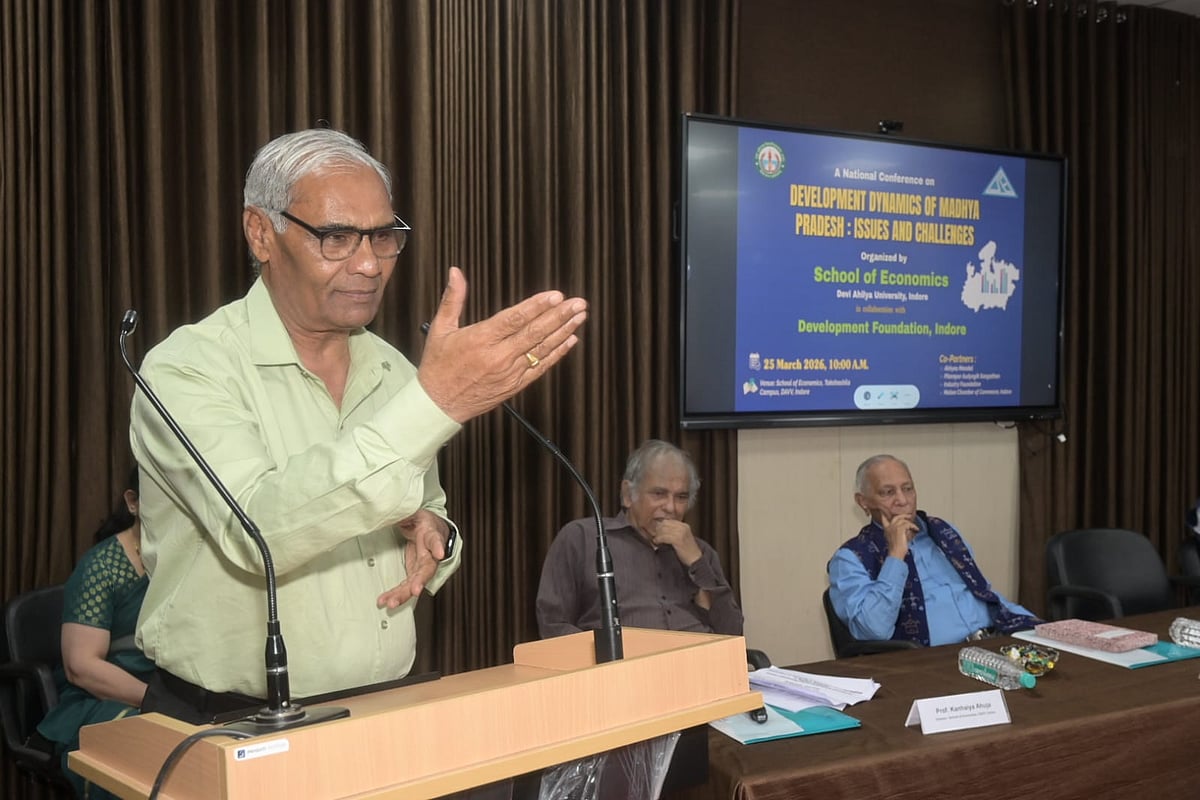
Indore (Madhya Pradesh): A seminar on “Development Challenges and Solutions of Madhya Pradesh”, held at the Department of Economics, Devi Ahilya Vishwavidyalaya (UTD Campus), highlighted serious concerns over the 16th Finance Commission’s recommendations, with experts calling for an urgent review.
Eminent economist Amitabh Kundu said inaccurate population data has deprived Madhya Pradesh of its rightful share of financial resources. He emphasised that while the state’s SDP growth rate stands at 11.8%, higher than the national average of 8%, structural development remains inadequate. Industrial employment is limited to just 4%, and foreign direct investment remains below 1%, reflecting weak industrialisation.
Kundu said earlier finance commissions gave proper weightage to population metrics, but the current one has deviated, leading to disproportionate allocations. He stressed that authorities must reset development parameters and ensure data accuracy for fair distribution.
Former Governor VS Kokje pointed out governance contradictions, saying policies often move in opposite directions, on one hand increasing revenue, and on the other imposing restrictions such as prohibition. He emphasised the need to reduce economic imbalance and control migration.
Former minister Narendra Nahata highlighted gaps in education and healthcare, noting that no state university figures among the top 100 institutions in the country. He stressed the need to improve school education quality to strengthen higher education outcomes.
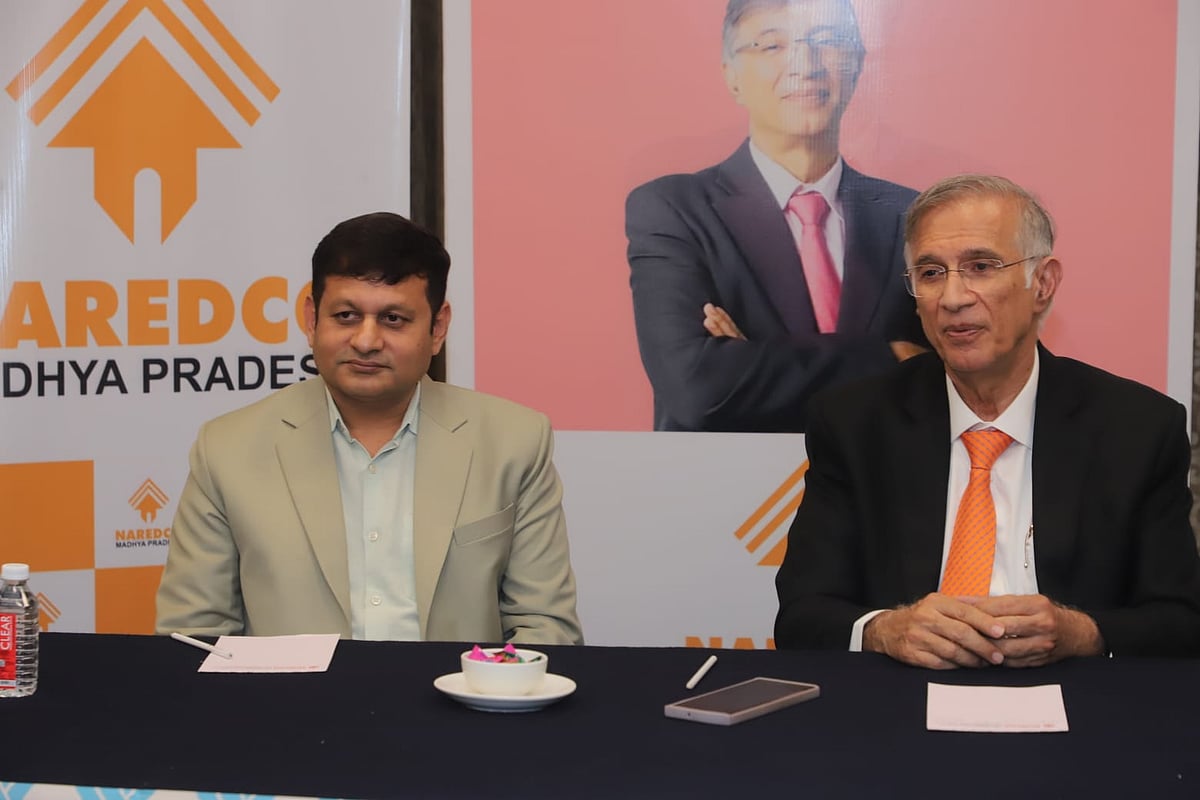
Economist Ganesh Kawadia said that while agriculture has grown significantly, the lack of value addition industries leads to economic loss for the state. Academician Dr D.K. Verma emphasised research-based education and youth engagement in policy discourse, while social scientist Yatindra Singh Sisodia stressed the need to address poverty, unemployment and rural economic challenges for inclusive growth.
