Indore (Madhya Pradesh): As India’s travel sector expands, a new study suggests that the journey does not really end when travellers return home. Instead, what happens online after a trip - likes, comments, shares, or the lack of them - plays a subtle but lasting role in shaping future travel choices.
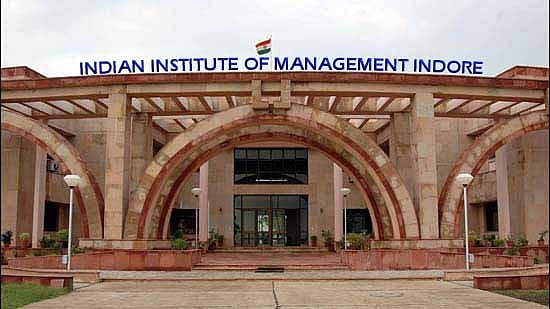
Researchers Sayantan Mukherjee, Pritam Ranjan and Joysankar Bhattacharya from Indian Institute of Management Indore have examined how social media feedback influences travellers’ decision-making over time. Their findings indicate that digital reactions are more than momentary validation - they act as a form of reinforcement that quietly steers people to choose where to travel next.
Using a multi-model machine learning approach, the researchers moved beyond conventional surveys that ask travellers whether social media “influences” them. Instead, they analysed patterns in behaviour, showing that positive engagement with posts from a trip increases the likelihood of travellers opting for similar destinations or experiences in the future. Approval from one’s online network becomes part of how the trip is remembered and evaluated, shaping what feels like a successful or desirable travel choice.
The study also highlights the flip side of this dynamic. Trips that attract limited attention or draw indifferent or critical responses online can reduce the chances of travellers repeating that type of journey - even if they personally enjoyed it. In such cases, the “social return” of the trip begins to compete with the actual lived experience, altering future intentions.
For a growing segment of Indian travellers who share their journeys in real time, audience response has become embedded in the travel experience itself. This shift carries important implications for the tourism and hospitality industry. The researchers suggest that the visitor experience now extends into a digital afterlife, where posts and interactions following a trip feed into the next round of travel decisions, both for the traveller and their online community.
For destination managers and state tourism boards, this means that factors such as reliable internet connectivity, shareable public spaces, and opportunities for authentic storytelling are no longer peripheral. They are increasingly linked to future demand. At the same time, the study cautions against designing destinations solely for visual appeal. When attractive imagery is not matched by substance, the resulting gap between expectation and reality often surfaces later as muted engagement or negative commentary -- effects that can persist and influence future travel behaviour.
The findings also carry lessons for hospitality professionals and policymakers. Monitoring social media is not just about measuring popularity, the researchers note, but about tracking sentiment over time. Unaddressed dissatisfaction can shape perceptions well beyond a single visit, while visible improvements and thoughtful responses may help rebuild trust and influence future choices. Traditional indicators, such as satisfaction ratings and repeat visits, the study suggests, capture only part of the picture in an era where travel decisions are embedded in digital networks.
For travellers themselves, the research offers a moment of reflection. While social approval can reinforce certain preferences, the authors point out that not every meaningful journey needs to perform well online. Awareness of how digital reactions shape choices may help individuals separate personal fulfilment from perceived online appeal.
The study concludes that in contemporary India, travel decisions are no longer guided only by budgets, brochures, or word-of-mouth. They are increasingly shaped through ongoing interaction with a digital public, one post and one reaction at a time.

Young travellers, in particular, tend to favour destinations that allow them to participate in broader online conversations -- driven by their access to social media apps, their inclination to share content, and their preference for leisure travel experiences that are easily documented and discussed online.

