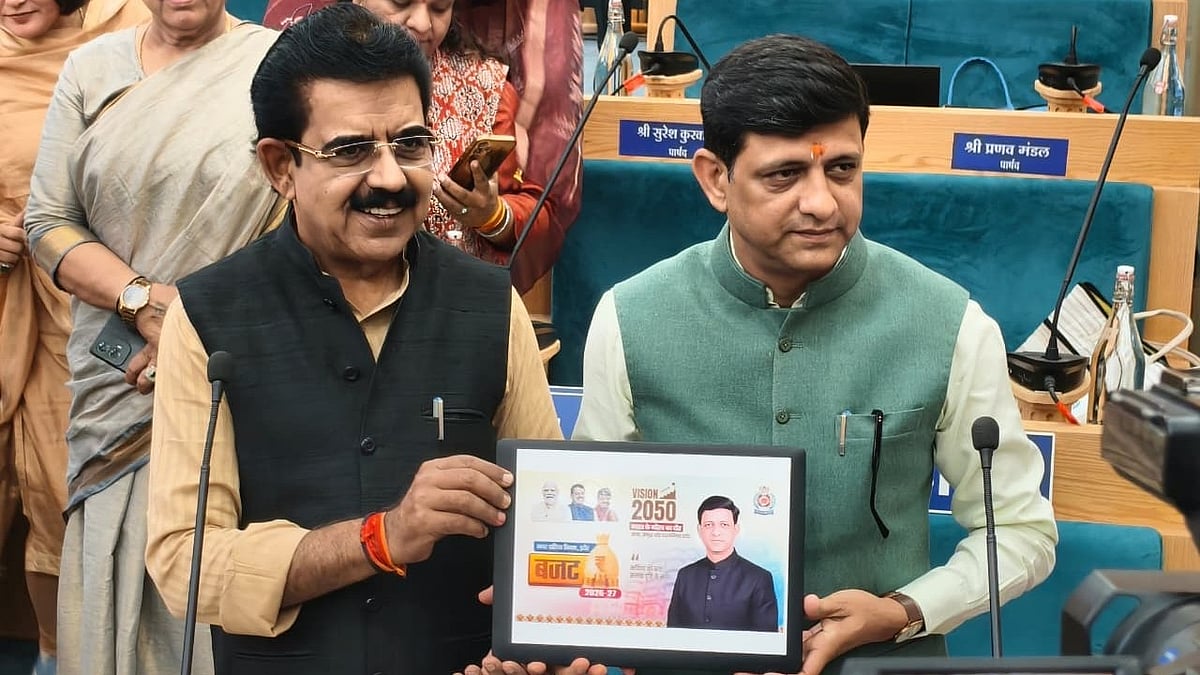
Indore (Madhya Pradesh): In a major push towards transforming the city into a future-ready metropolitan hub, Mayor Pushyamitra Bhargav presented the Indore Municipal Corporation (IMC) budget for the financial year 2026-27, outlining a comprehensive development roadmap focused on infrastructure, sanitation, digital governance, and sustainability.
The Rs 8455 crore budget projects expenditure of Rs 8443 crore, with a modest deficit of around Rs 92 crore, while providing significant relief to citizens by not introducing any new taxes or increasing existing ones.
Highlighting the vision to make Indore a leading economic and urban centre by 2050, Bhargav emphasised that the city’s transformation will be driven by better infrastructure, strong waste management systems, and citizen participation.
A major portion of the budget has been allocated to master plan roads, drainage systems, and water supply expansion, including Rs 423 crore earmarked for road development and for integrating 29 nearby villages into the urban framework.
SANITATION SECTOR
The IMC has proposed several innovative initiatives. Around 50 smart toilets will be constructed under the public-private partnership (PPP) model, while free sanitation facilities will continue in slum areas. The corporation also plans to strengthen waste processing by expanding the Bio-CNG plant capacity from 550 to 800 tonnes per day and setting up a 200 TPD solid waste processing unit.
Notably, waste materials such as cloth, fibre, and oil will be recycled, and a waste-to-charcoal project using refuse-derived fuel (RDF) will also be implemented. Indore will further digitise garbage collection systems, enabling better tracking and efficiency.
HIGHLIGHTS
The budget also highlights Indore’s continued leadership in cleanliness, with over 1250 metric tonnes of legacy waste already processed. Under the Clean City Partnership initiative, nearby Depalpur will also be developed with technical support from the IMC to strengthen its waste management system.
Tourism and environmental sustainability have also received attention. A new fish aquarium will be developed under the PPP model, while the city zoo is set to be transformed into a zero-waste facility. Plans include a 14D cinema theatre, a virtual jungle safari, and improved visitor amenities, aimed at boosting tourism and public engagement.
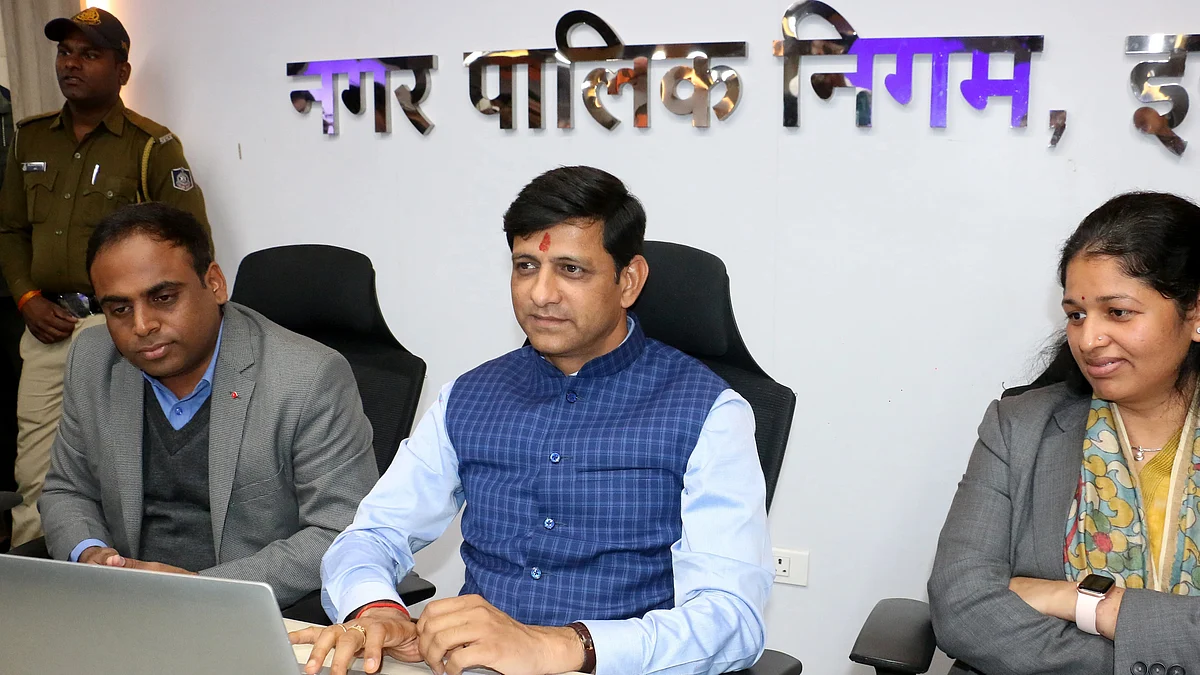
On the social front, the corporation will expand healthcare access through Sanjeevani Clinics across wards and continue welfare initiatives such as affordable meal schemes and shelter homes for the urban poor. Over 53,000 homeless individuals have already benefited from these shelters.

