Indore (Madhya Pradesh): The GST Council has proposed measures to simplify and automate GST registration and amendment processes, reduce official discretion and expedite refunds.
Eligibility for refunds on input services under the inverted duty structure is proposed from Nov 1, while the mechanism for input tax credit (ITC) refunds on capital goods is proposed from April 1, 2027.
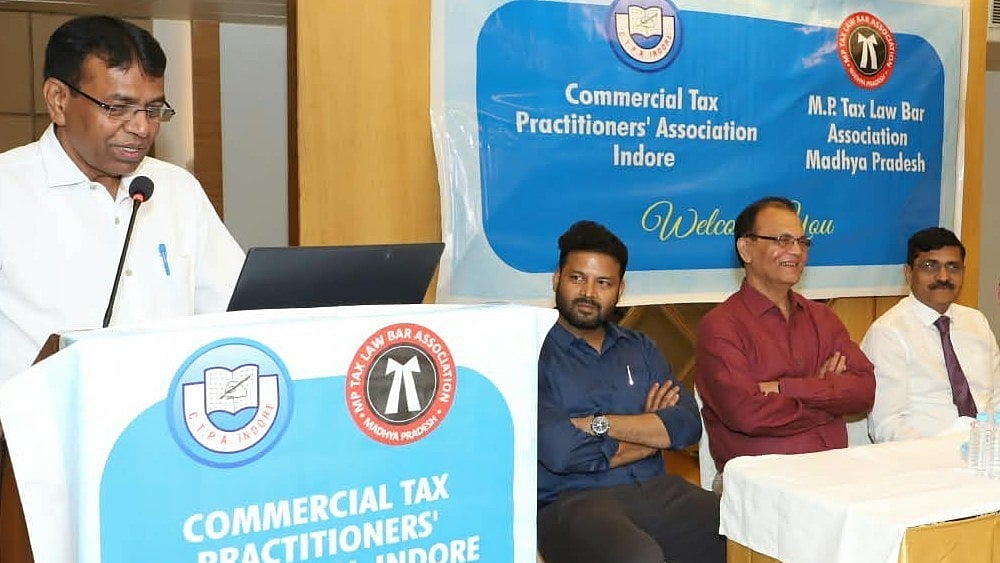
Senior GST expert CA Sunil P Jain discussed these reforms at a seminar jointly organised by the Commercial Tax Practitioners Association (CTPA) and Madhya Pradesh Tax Law Bar Association (MPTLBA).
Jain outlined GST Council recommendations concerning registration, returns, refunds, ITC, penalties and transportation of goods.
He said proposals to set a minimum threshold of Rs 10,000 for issuing notices, remove minimum penalties in non-fraudulent cases and cap penalties at 5% if tax demands are paid fully within the stipulated timeframe would provide significant taxpayer relief.
Discussions also covered raising the prosecution threshold from Rs 1 crore to Rs 5 crore and proposed changes to arrest provisions.
E-way Bill and ITC Blocking Process
Proposals to streamline inspection and detention powers during goods transportation were discussed. These include permitting inspections only on specific information and with designated senior officer approval.
Providing taxpayers an opportunity for a hearing before blocking ITC under Rule 86A was highlighted as important for protecting taxpayer rights.
Relief for Small Businesses
The proposal includes waiving late fees for eligible small businesses with turnover up to Rs 5 crore in the previous financial year for filing GSTR-3B by month-end, although interest liability would remain.
Discussions also covered an optional scheme allowing quarterly tax payments and annual returns for eligible small taxpayers engaged exclusively in business-to-consumer (B2C) transactions.