Indore (Madhya Pradesh): Artificial intelligence (AI) could make screening and early detection of eye diseases available closer to patients' homes in the coming years, particularly in remote areas.
Experts believe the use of AI in the diagnosis of eye diseases is likely to increase significantly over the next five years, reducing the need for many patients to travel to major hospitals for initial screening.
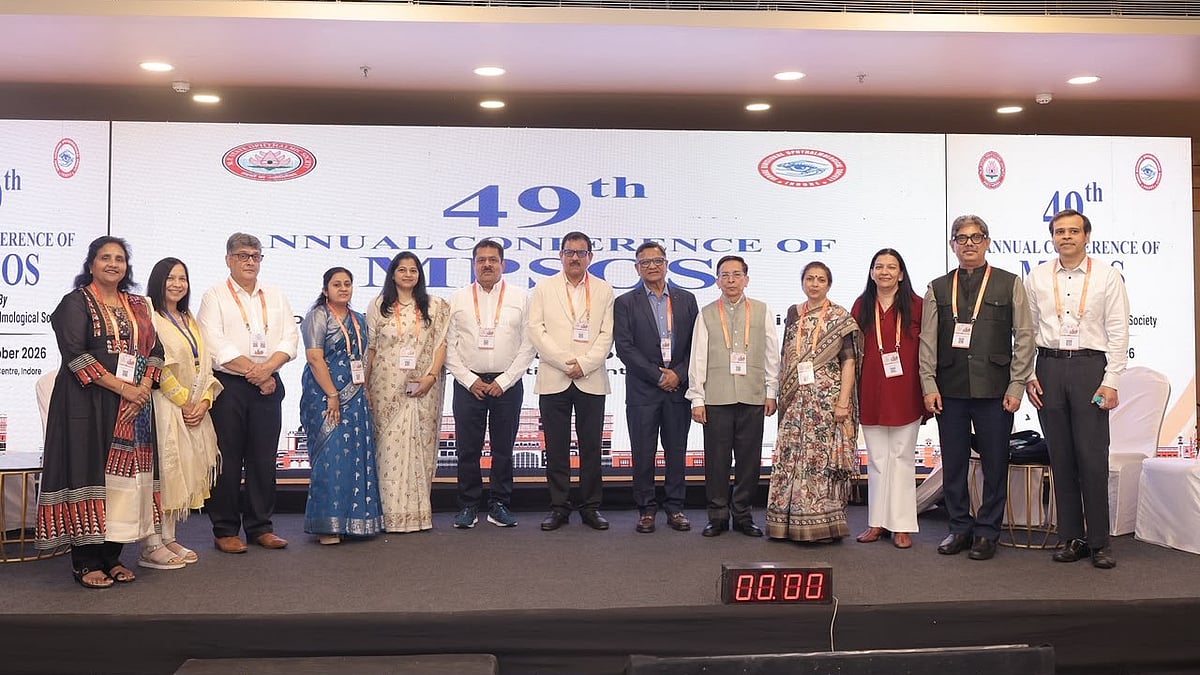
The role of AI in eye care, diagnosis and screening was discussed on Sunday, the final day of the 49th annual conference of the Madhya Pradesh State Ophthalmological Society in Indore.
During the three-day conference, experts from across the country discussed modern treatment methods, emerging technologies and the growing role of AI in ophthalmology.
More than 700 ophthalmologists from different cities of Madhya Pradesh attended the event. Technical sessions, a quiz competition and demonstration workshops were also held on the concluding day.
Dr RS Choudhary said one of the sessions focused on how AI could simplify screening and detection of eye diseases. Experts, including Dr Mita Joshi, discussed its current applications and future possibilities.
Dr Joshi said people living in remote villages often find it difficult to travel to major cities and hospitals for treatment, while financial constraints can also become a barrier.
AI-assisted systems could allow regular eye screening closer to their homes, helping detect diseases at an early stage and enabling timely referral to specialists when required. She said the use of AI in diagnosis is expected to grow further over the next five years.
The rising risk of myopia among children was another key issue discussed at the conference. Dr Neelam Maheshwari of Aravind Eye Institute, Chennai, said myopia cannot be attributed to a single cause as it is a multifactorial condition. Changes in lifestyle and environmental pollution are among the factors associated with it.
She stressed the importance of outdoor activities for children and advised following the 20-20-20 rule as a preventive measure.
Elections to the Madhya Pradesh State Ophthalmological Society were also held on the final day, with Dr RS Choudhary elected president.