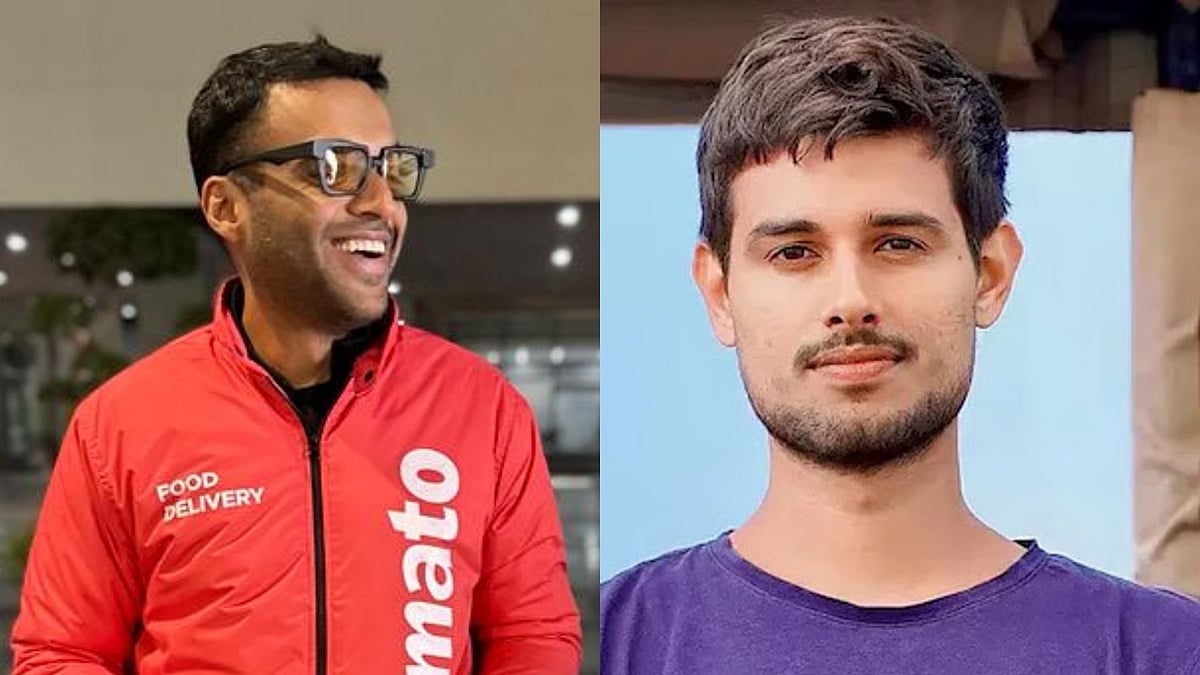
The recent protest by delivery partners of food delivery platforms such as Zomato and Swiggy has once again brought the issue of minimum wages and gig economy earnings into the spotlight. The debate intensified on social media after Eternal founder and Zomato CEO Deepinder Goyal responded to YouTuber Dhruv Rathee over questions surrounding delivery workers’ pay.
The discussion began with a post by X user Hardik Rajor, who argued that the “real minimum wage is Rs 0,” referring to unemployment. Highlighting joblessness among youth in small towns and cities, Rajor claimed that quick commerce and food delivery platforms have created employment opportunities for lakhs of young people who otherwise struggle to find work. He asserted that gig jobs, though criticised, offer dignity, choice and income higher than zero, helping families meet basic needs like school fees and groceries.

Reacting to the post, Deepinder Goyal agreed, stating that everyone with a job wants higher pay but wages are ultimately determined by market forces. He pointed out that companies dependent on the gig economy face intense competition and argued that demand often exceeds supply, resulting in gig incomes that are higher than many formal entry-level jobs in India.
However, Dhruv Rathee questioned Goyal’s claim and asked why platforms do not publicly disclose the average hourly earnings of delivery workers. He said transparency would allow people to objectively compare gig work income with formal sector jobs.
Responding to Rathee, Goyal said he would share a detailed fact sheet on delivery partners’ earnings. “I will post a fact sheet tomorrow. Hopefully should help you understand more about how it all works,” he wrote.
The exchange has reignited a wider debate on transparency, fair pay and working conditions in India’s rapidly expanding gig economy, especially amid ongoing protests by delivery workers demanding better wages and benefits.

