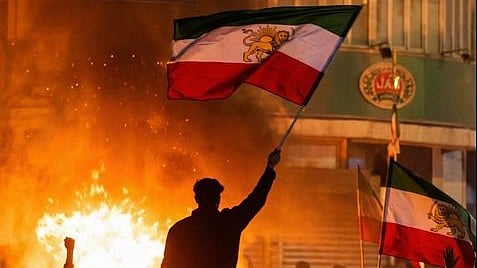
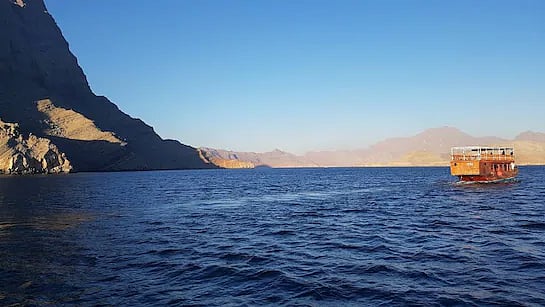
New Delhi: The MEA released a statement in reaction to the recent ceasefire announced between the United States and Iran welcoming the ceasefire and hoping that it would lead to lasting peace in West Asia. “The conflict has already caused immense suffering to people and disrupted global energy supply and trade networks. We expect that unimpeded freedom of navigation and global flow of commerce would prevail through the Strait of Hormuz,” the statement said.
It added “India has always been in favour of peace. We welcome all steps that lead to peace and stability,” it added. The MEA had on Tuesday stated that due to the “rapidly evolving situation in Iran, Indian nationals who are currently in Iran are advised to remain where they are, shelter in place, and avoid further movements.” It added that any crossings of Iran should only be done in coordination with the Indian embassy. On Wednesday, the ministry urged Indians in Iran to expeditiously exit Iran.
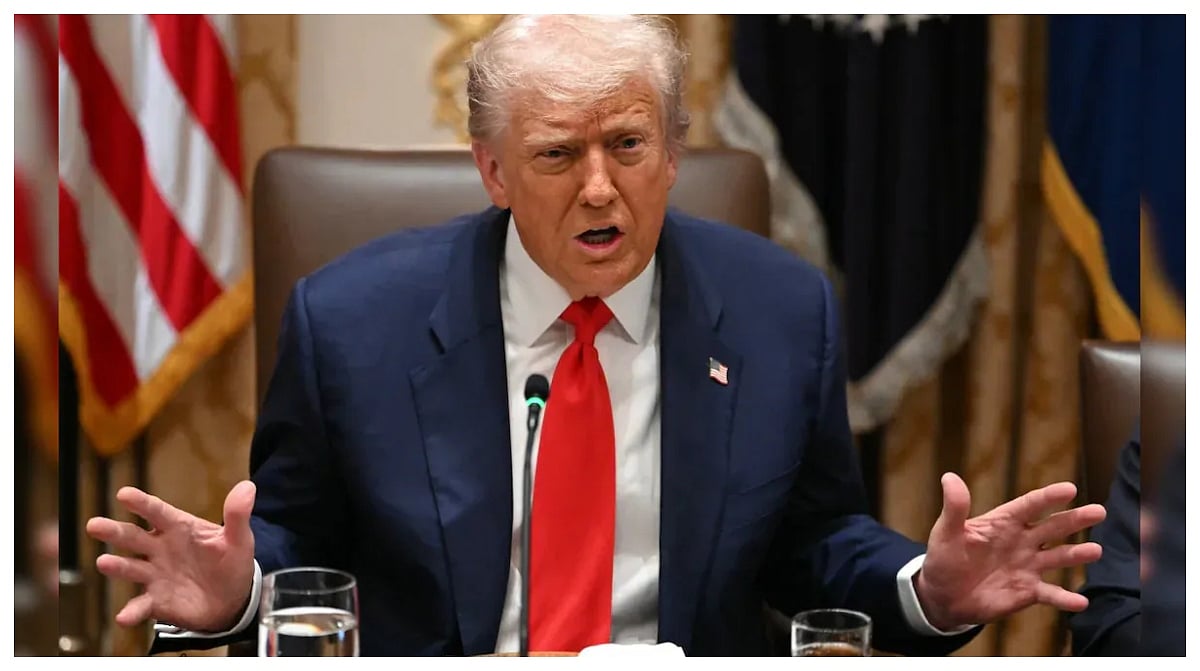
New Delhi has avoided mentioning Islamabad or its role in bringing about this ceasefire. While many senior diplomats in India believe that Pakistan’s role has been more akin to that of a messenger rather than a formal mediator they do believe that Islamabad has played its cards well. As former diplomat and West Asia expert Talmiz Ahmad points out that through its actions Pakistan has further solidified its relationship with Trump. “There are two things to note here. First is that Donald Trump is a man who invests heavily in personal relationships. This was seen with Pakistan when he called Asim Munir his “favourite field marshal.”
Ambassador Ahmad said. “The second is that other nations are beginning to recognise Pakistan’s importance with regard to this conflict. This was seen when Pakistan hosted a four nation meeting with diplomats from Egypt, Turkiye, Saudi Arabia. In this meeting the other nations made Pakistan the central interlocutor between Iran and the US.” While Pakistan can, as Sharif himself admitted, provide no guarantees for a ceasefire what is in Islamabad’s favour is its partner China. President Trump made a mention of China being instrumental in bringing Iran to the negotiating table, a fact that Ambassador Ahmad believe bodes well for Pakistan.
“With Pakistan being close to the White House and China being able to extract leverage on Iran, Pakistan and China will be seen as more and more important by the West with regard to Iran. This will be so especially if negotiations break down.” The bigger question arises is where does this leave India? Apart from Prime Minister Modi’s visit to Israel, New Delhi has not played an active part in resolving the West Asia conflict, something that some analysts believe needs to change, especially given Pakistan’s activism. Senior diplomats believe New Delhi has formed a posture of “strategic detachment” which needs to change quickly if India is to secure its interests.
Ambassador Ahmad believes that should war start again Iran will not be so circumspect about hitting Gulf targets which means that many Indian nationals are likely to be killed and India’s energy interests threatened. “India needs to state its traditional positions more forcefully that it is for peace and that it condemns that deadly assault on Iran. We are the number one arms buyer of Israeli arms so we have leverage over them,” Ambassador Ahmad said.
“We also need to strongly condemn the West’s move to shape US-Iran war as a civilizational war. Look at Vance’s (vice-president JD Vance) words in Budapest when he called Orban (Prime Minister Viktor Orban) a key ally of Donald Trump in the defence of Western civilisation. This should raise alarm bells for India given that it is also a non-western civilizational state,” he added.

