
Amid the ongoing West Asia conflict, Iran is moving to tighten its control over the strategically critical Strait of Hormuz. Iranian state media reported that a parliamentary commission has approved plans to impose tolls on vessels transiting the vital energy corridor, raising fresh concerns over global oil and gas supplies.
Proposal Cleared By Parliamentary Panel
According to Iranian state television, a member of the Parliament’s security commission confirmed that the proposal includes introducing financial mechanisms and toll systems in Iranian rials. The move is being framed as part of enforcing Iran’s “sovereign role” over the waterway.
Curbs On Specific Nations
The plan reportedly goes beyond toll collection. It proposes:
A ban on vessels linked to the United States and Israel
Restrictions aimed at countries that impose sanctions on Iran
Potential coordination with Oman, which shares control of the strait
These measures, if implemented, could significantly alter navigation rules in the region.
Strategic sOf Strait of Hormuz
The Strait of Hormuz is one of the world’s most crucial energy chokepoints.
Nearly 20% of global crude oil and LNG shipments pass through it during normal times
It connects major oil producers in the Gulf to international markets
Any disruption here has immediate global economic implications.
Shipping Activity Plunges
Since the conflict escalated, maritime traffic through the strait has dropped sharply. Data from maritime intelligence firm Kpler indicates that crossings have fallen by nearly 95%, reflecting the severe disruption already underway.
The sharp decline in transit has begun to ripple across global energy markets, raising concerns over:
Supply shortages
Rising fuel prices
Increased geopolitical risk premiums
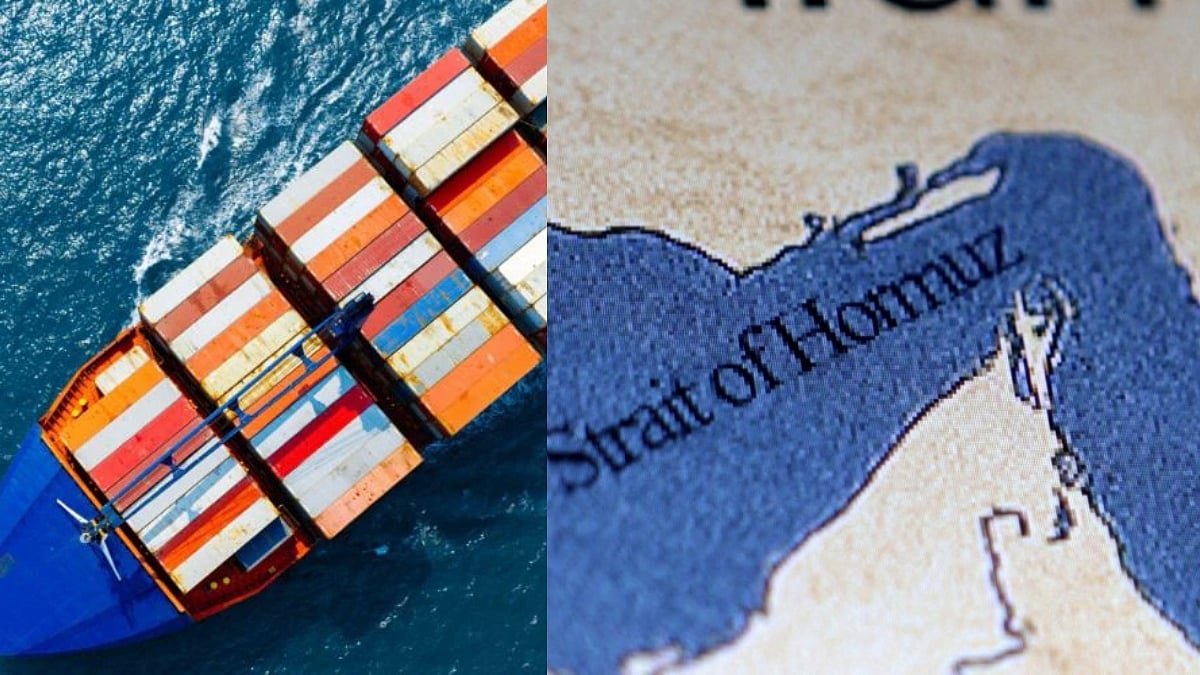
Iran’s proposed toll system and restrictions could further exacerbate volatility if enforced.
Iran’s move to introduce tolls and restrict passage through the Strait of Hormuz signals a potential escalation in the economic dimension of the West Asia conflict. With global energy flows already strained, any further disruption in this critical corridor could have far-reaching consequences.
