New Delhi: The Supreme Court on Wednesday (July 15) orally said that oral pronouncement of a judgment in open Court does not make it final. Instead, changes can be made and the matter re-listed for hearing until the same has been signed by the concerned judge(s).
A Bench led by Chief Justice of India (CJI) Surya Kant was hearing the case of Sr Anjaneya Temple head priest Vidyadas Babaji, who sought a direction to the Karnataka High Court to upload the judgment pronounced in open Court.
Petitioner's submissions
Advocate Vishnu Shankar Jain, representing the petitioner, argued that the judgment was initially reserved by the High Court in November 2025. However, the matter was listed for re-hearing on March 25. On this date, judgment was reserved again, which came to be pronounced in April, , according to a Live Law report.
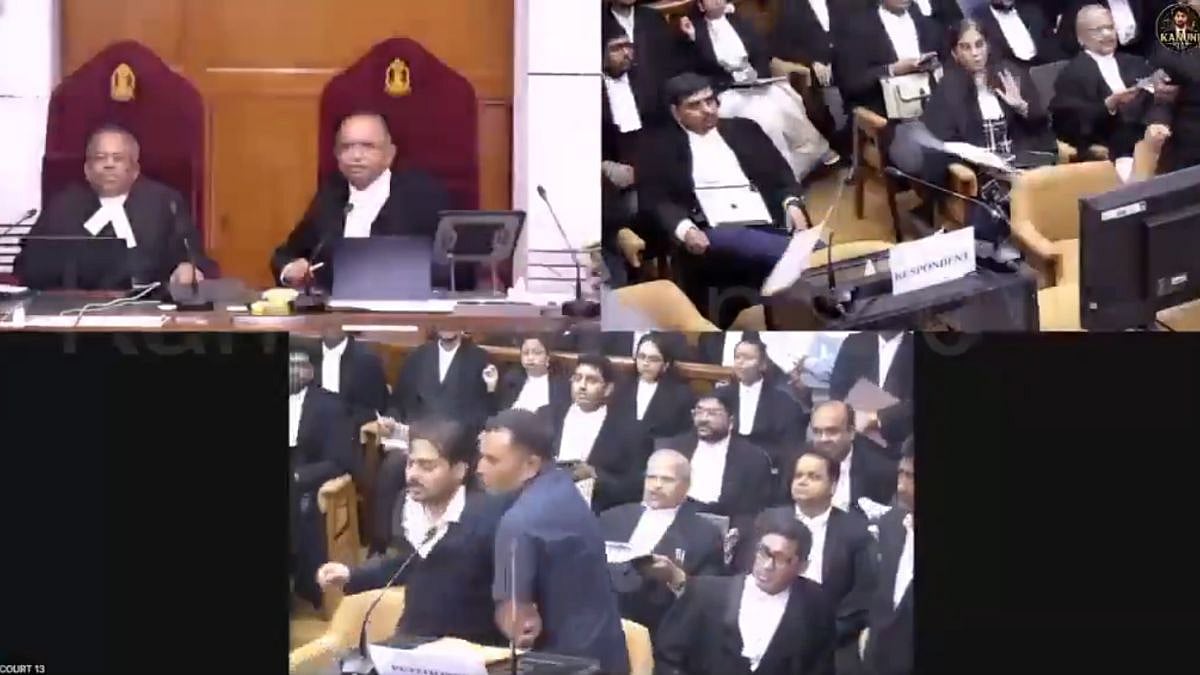
He said, the case status showed that the writ petition had been allowed. The matter was then fixed for giving information about criminal cases pending against the petitioner, if any, which was statedly supplied by the State Advocate General. Yet, till date, the judgment has not been uploaded.
"When Court pronounces judgment in open Court, the Court becomes functus officio," he argued.
Responding to the submissions, Justice Bagchi said, "The oral pronouncement not followed by signing of a judgment is not a judgment which is complete. What may happen is, a judge pronounces a judgment but before he signs, he finds that there are certain serious lacunae in the matter or, as it appears, there may be some materials that he wants to incorporate which is there. So he places the matter again."

