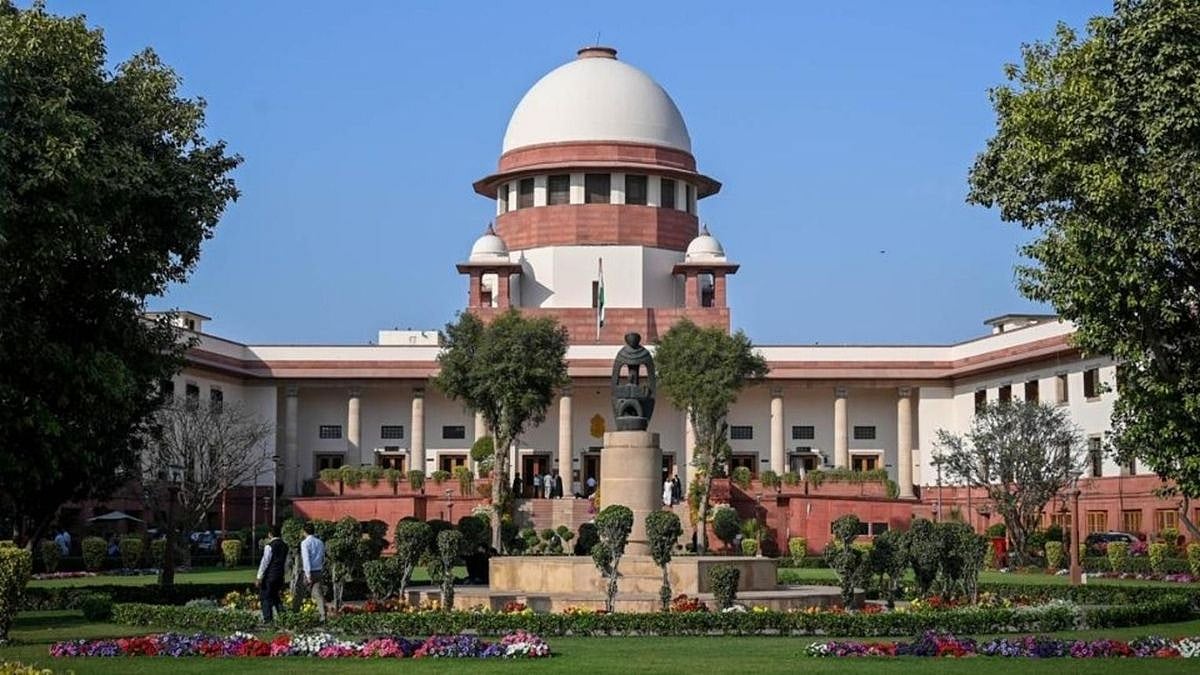
The Supreme Court on Thursday said that it is considering setting up a committee to probe the allegations of sexual violence against women journalists during recent protests in Delhi.
Chief Justice of India Surya Kant said that the committee could be predominantly or exclusively composed of women. The observation from the court came as the bench of CJI Surya Kant and Justice Joymala Bagchi was hearing a petition filed by the Network of Women in Media, India (NWMI). NWMI, in its petition, has sought protections for journalists covering protests, including protection against alleged assault, intimidation and arbitrary detention.
Women journalists face particular vulnerabilities
Senior Advocate Indira Jaising, representing NWMI, submitted before the court that women journalists face particular vulnerabilities while reporting from protest sites.
“When they go to a protest site, they constitute a class by themselves because they not only have the right to speech, not only have the right to protest, but also the right to work. They go there to perform their duties in exercise of their right to work,” she said, as quoted by Bar and Bench.
She further alleged that women journalists were manhandled, especially by male police officers, while covering protests. "When a woman officers push them, it constitutes harassment, in case of male officers, it constitutes sexual harassment," she added.

Jaising seeks independent inquiry committee
Indira Jaising urged the Supreme Court to constitute a separate committee to examine complaints by women journalists who allegedly faced violence, including sexual violence, while covering protests in Delhi. She also sought compensation for the affected journalists and stressed that the committee should be independent of the inquiry panel already constituted to examine the July 20 student protests at Jantar Mantar. Invoking the Vishakha guidelines on workplace sexual harassment, Jaising proposed that the committee be headed by a woman and include a retired woman judge, a retired woman IPS officer and civil society representatives, without serving police officers.
Court agrees to confidential submissions
Jaising also sought permission to submit a list of complaints and the names of women journalists willing to file affidavits detailing their experiences in a sealed cover to protect their identities. Chief Justice of India Surya Kant agreed to receive the material confidentially, emphasising that the Court would handle the journalists' vulnerability sensitively and cautiously. The Court also asked Jaising to submit a separate sealed envelope containing her proposed names for the committee and indicated that it would consider passing an order once the material was received.
Petition details alleged police misconduct
The plea filed by the NWMI follows allegations that women journalists covering protests against the Special Intensive Revision (SIR) of electoral rolls in Delhi were manhandled, detained and prevented from performing their professional duties despite identifying themselves as members of the press. It also refers to an October 3 incident in which three women journalists accused Delhi Police personnel of sexual harassment during their detention at a protest near Jantar Mantar. The petition seeks enforceable guidelines governing police interactions with journalists during protests, an independent inquiry into the alleged incidents and action against personnel found responsible. On October 11, the Supreme Court had directed that lawyers, journalists and other professionals should not be obstructed from discharging their professional duties during protests.

