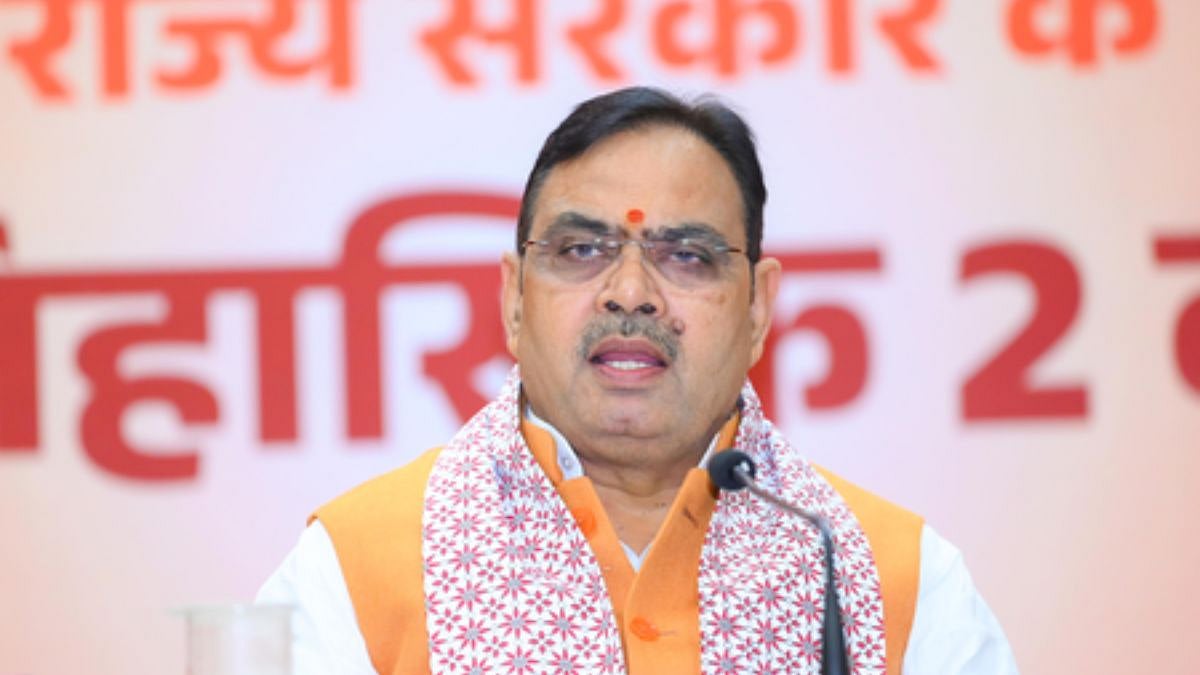
Jaipur: With forming a committee, the Rajasthan government has started preparing to implement the Uniform Civil Code (UCC) in the state. A five-member committee headed by former Supreme Court judge Ranjana Prakash Desai will draft the bill.
Law Minister of the Rajasthan Jogaram Patel said that Article 44, under the Directive Principles of State Policy, enshrined in Part IV of the Indian Constitution, directs the state to endeavour to ensure a uniform civil code for all citizens. Keeping with this constitutional spirit, the state government has decided to take concrete and institutional initiatives on this issue.
“ The cabinet recently decided to constitute a committee of experts to draft the Uniform Civil Code Bill in Rajasthan, as the government believes that this will not only be a legal reform but also an important step towards social harmony, equal rights, and strengthening the justice system," said Patel.
The committee formed under the chairmanship of Justice Ranjana Prakash Desai includes experts from the administrative, judicial, and legal fields to study the social, constitutional, and practical aspects. It will study the experiences of various states and examine what kind of model can be developed to suit the social and cultural conditions of the state. Models implemented in Uttarakhand and initiatives in other states may also be part of the study. Following the cabinet approval, it will be presented in the Assembly.
Minister of State for Home Affairs Jawahar Singh Bedham stated that since various states in India have implemented it, the need for its implementation was felt in the state as well.
“After the UCC, the state will gain a new status and direction as there will be a uniform civil law for all citizens. Its main objective is to end the discrimination against women under different personal laws and give them equal rights as men,” said the minister.
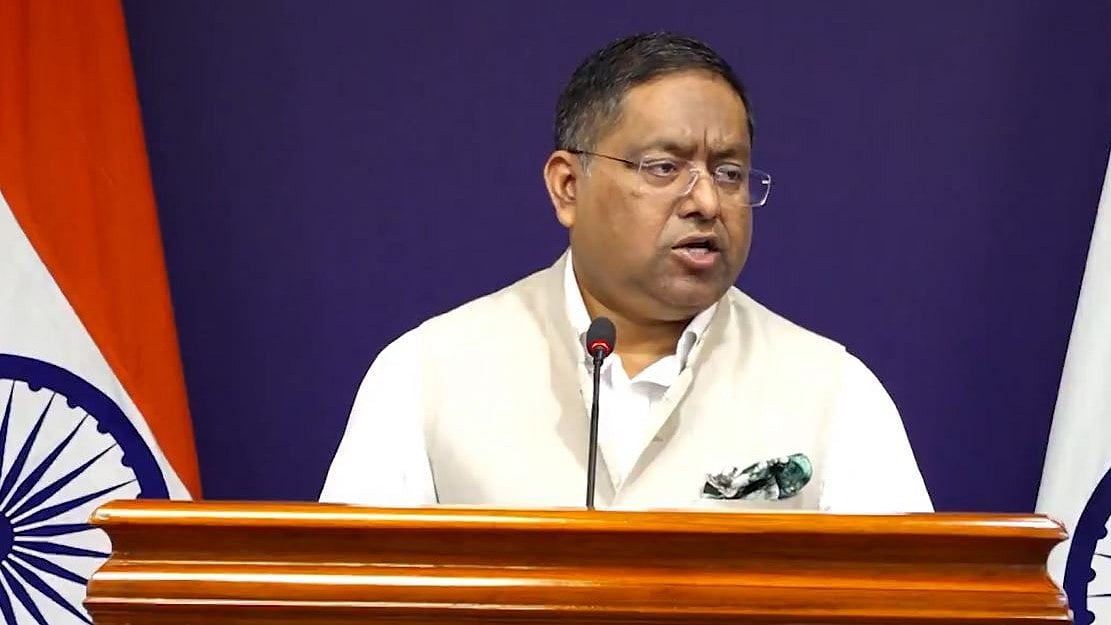
Opposing the government's decision, Congress Minority Department Chairman MD Choupdar said, “in case the UCC bill is passed in Rajasthan, we will protest against it on the streets.”
He said that the state government is currently inactive and trying to take away the rights granted to minorities by the Constitution. The Bhajan Lal government had introduced an anti-conversion law, now actions are being taken targeting a particular caste and community.
Notably, Uttarakhand, Gujarat, and Assam have already implemented the UCC bills.
