
Parliament's Monsoon Session has set a new record by remaining without formal prorogation for 88 days after both Houses were adjourned sine die on August 13. The development has surpassed the previous record of 87 days, set in 2008.
The unprecedented delay in formally concluding the session has triggered speculation in political circles about the government's possible legislative plans. As of Monday morning, neither the Lok Sabha nor the Rajya Sabha had been formally prorogued, keeping open the possibility of convening another sitting under the existing session.
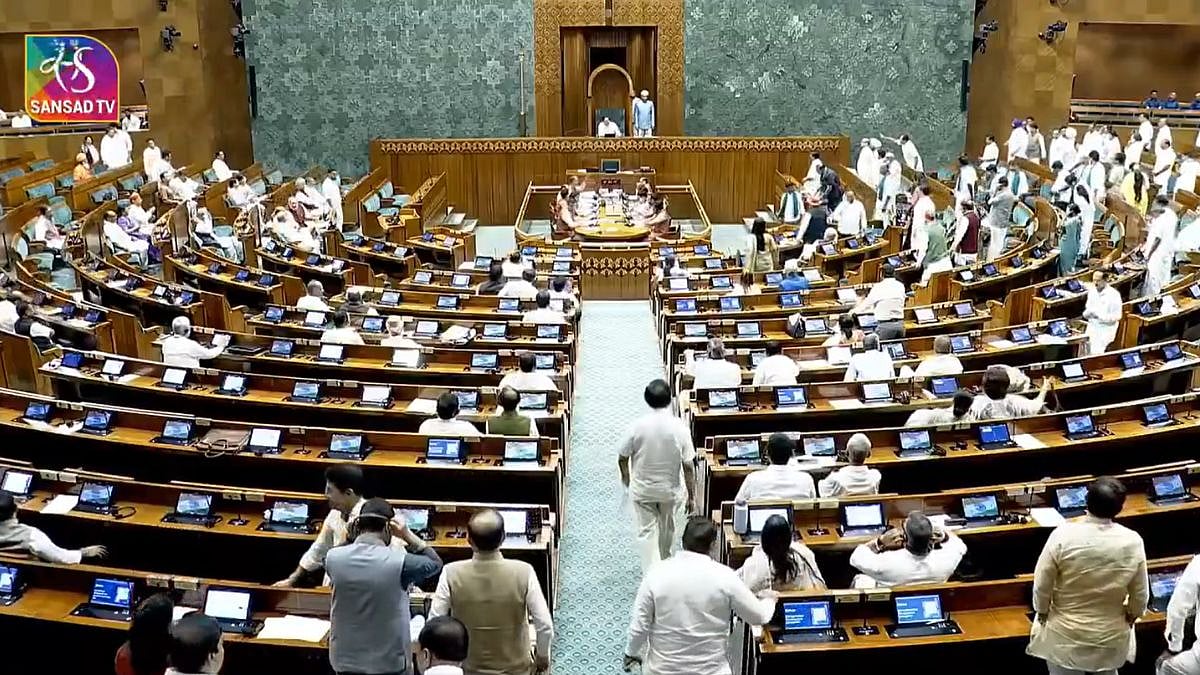
One of the key reasons being discussed behind the delay is a proposed constitutional amendment linked to the women's reservation law. The proposed legislation is reportedly aimed at increasing the strength of the Lok Sabha from the existing 543 seats to a maximum of 850.
The government could potentially convene a special or extended sitting under the ongoing session to pursue the proposed amendment. Such a meeting would require only two days' notice, compared to the 14-day notice generally required for summoning a fresh session.
The issue has attracted attention since a similar constitutional amendment failed to secure the required numbers in the Lok Sabha during the Budget Session in April.
Under constitutional provisions, there is no prescribed time limit for proroguing Parliament after the Houses have been adjourned sine die. Therefore, the extended gap without formal prorogation does not constitute any constitutional or procedural irregularity.

Historical records show that Parliament remained without prorogation for 87 days in 2008, 76 days in 1987 and 54 days in 1989.
The government's decision to keep the session formally alive has thus preserved the option of recalling Parliament at short notice. Attention is now focused on whether the government intends to use this extended session to push through a significant legislative or policy decision.

