As debate intensifies over the proposed US-Iran peace agreement announced by US President Donald Trump, Israeli Ambassador to India Reuven Azar has stated that Lebanon is not included in the deal and that Israel has yet to examine the final text before taking an official position.
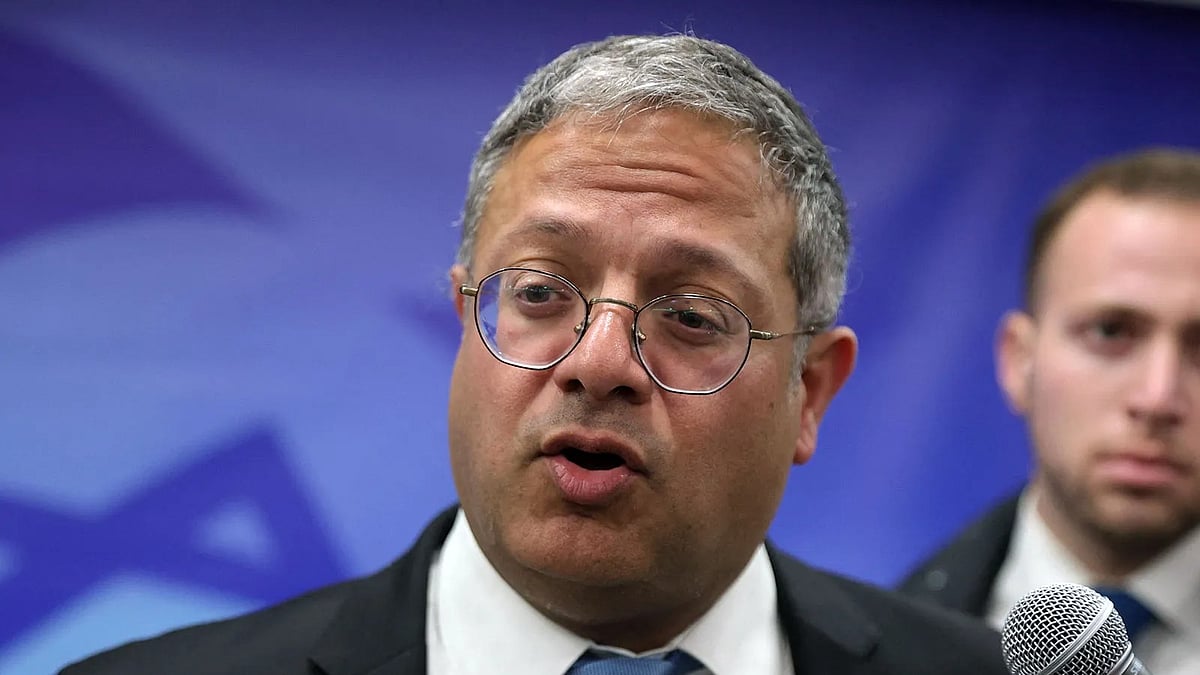
His remarks come amid conflicting claims over the scope of the agreement and shortly after Israeli National Security Minister Itamar Ben-Gvir asserted that Israel is not bound by any deal reached between Washington and Tehran.
Israel Yet to Review Agreement Text
Speaking about the proposed agreement, Azar said Israel is still awaiting the publication of the official document and therefore cannot comment on provisions that remain unclear.
"We don't have the text yet. It hasn't been published, so it's difficult to talk about a text that we don't know the details of," he said.
The envoy indicated that based on publicly available information, the primary objective of the agreement appears to be the reopening of the Strait of Hormuz, a critical global shipping route that has remained disrupted since the outbreak of hostilities earlier this year.
Focus Appears to Be on Strait of Hormuz
According to Azar, the understanding announced by Trump is largely aimed at restoring freedom of navigation through the strategic waterway and initiating negotiations on unresolved issues between the United States and Iran.
He noted that reopening the Strait of Hormuz would restore global energy flows and help reduce disruptions that have affected international trade and oil markets during the conflict.
The agreement reportedly includes a 60-day negotiation period to address remaining disputes between the two sides.
'Lebanon Is Not Part of This Agreement'
Responding directly to Tehran's claims that Lebanon forms part of the arrangement, Azar firmly rejected the assertion.
"Lebanon is not part of this agreement. The future of Lebanon has to be determined by the government of Lebanon, which is negotiating a peace deal with Israel at this point," he said.
The statement marks one of Israel's clearest responses yet to suggestions that Lebanese issues could be folded into the broader US-Iran framework.
Israel Signals Continued Security Operations
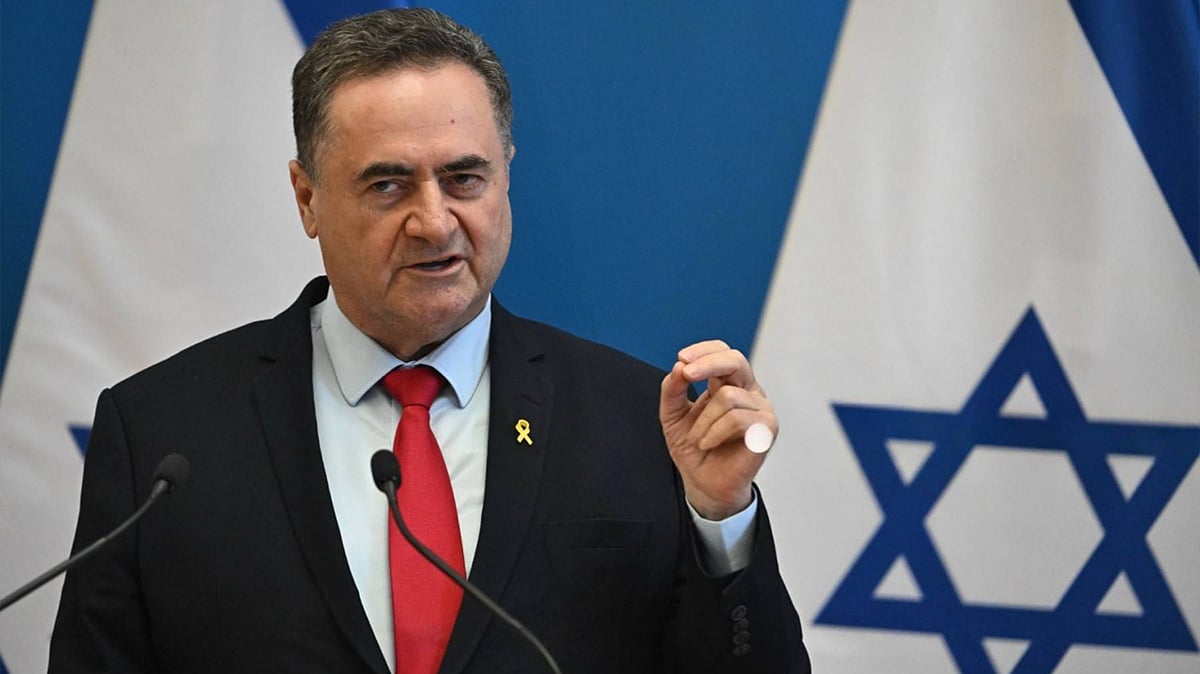
Azar also reiterated that Israel will continue pursuing its security objectives irrespective of the agreement.
He said Israel intends to maintain its presence in designated buffer zones and continue military operations aimed at dismantling Hezbollah infrastructure in southern Lebanon.
"Our defence minister was very clear that we are going to stay in all our buffer zones, including Lebanon, and that we are going to do whatever it takes to defend ourselves," Azar said.
He added that any final Israeli position would only be determined after the country's leadership reviews the agreement in full.
Trump Hails Deal, Ben-Gvir Pushes Back
The comments come after Trump announced that a "Great Deal" with Iran had been completed and would be formally signed later this week.
According to Trump, the agreement would reopen the Strait of Hormuz, facilitate mine-clearing operations and help restore stability across the region.
However, Trump's announcement immediately triggered criticism from Israeli National Security Minister Itamar Ben-Gvir, who stressed that Israel remains an independent and sovereign nation not bound by agreements negotiated between other countries.
"Trump's agreement does not bind us. Israel is not subject to the United States," Ben-Gvir wrote on social media.
Regional Implications Under Scrutiny
Iran has repeatedly argued that Lebanon should be considered an integral component of any final settlement, while Israel maintains that Lebanese issues must be resolved directly between Jerusalem and Beirut.
With negotiations set to continue and the full text of the agreement yet to be released, questions remain over how the proposed deal could reshape regional security dynamics and relations among key Middle Eastern players.
For now, Israel's message remains clear: Lebanon is not part of the agreement, and any decision concerning its future will be determined through separate negotiations.
