
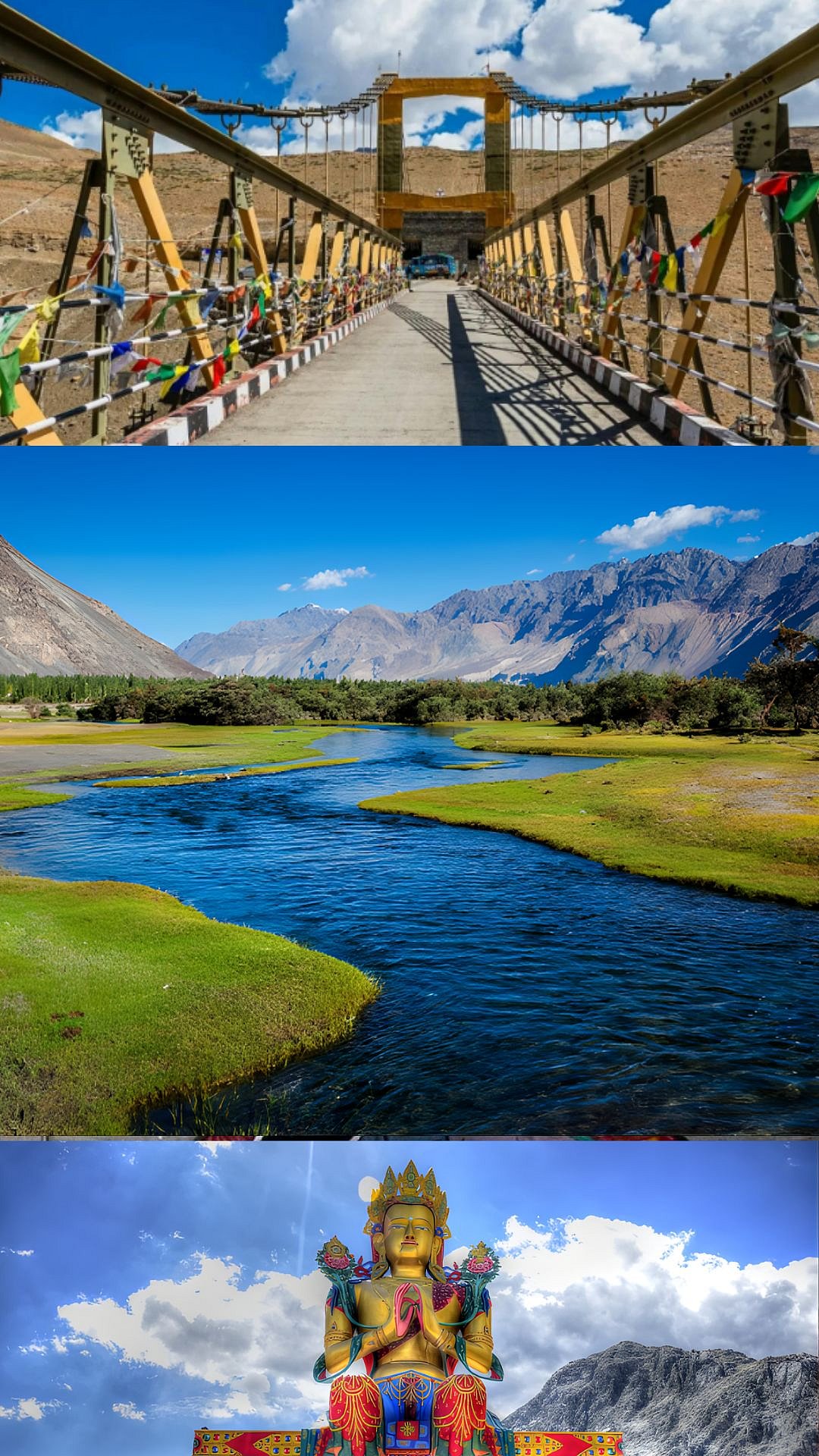
In a major administrative overhaul, the Union Territory of Ladakh will now have seven districts instead of two, following approval for the creation of five new districts Nubra, Sham, Changthang, Zanskar, and Drass.
Five New Districts Approved
The Lieutenant Governor of Ladakh announced the creation of five new districts, significantly expanding the region’s administrative framework. The move increases the total number of districts from the existing two Leh and Kargil to seven.
The decision comes in response to long-standing demands from local residents seeking better governance and administrative accessibility. The proposal had earlier received approval from the Ministry of Home Affairs in August 2024.
Aligned With PM Modi’s Vision
Officials said the development aligns with Prime Minister Narendra Modi’s vision of a “developed and prosperous Ladakh.” The initiative is being implemented under the guidance of Home Minister Amit Shah.
The creation of new districts aims to decentralise administration and bring governance closer to people, especially those living in remote and high-altitude areas. Authorities expect improved delivery of public services and faster administrative response.
Opportunities For Growth And Jobs
Beyond governance, the move is expected to open up new avenues for economic development, employment, and entrepreneurship. Officials emphasised that the restructuring will help unlock the region’s potential and improve livelihoods.
Focus On Remote Regions
Special attention is being given to far-flung and underserved areas, where access to government services has historically been limited due to difficult terrain and distance.

