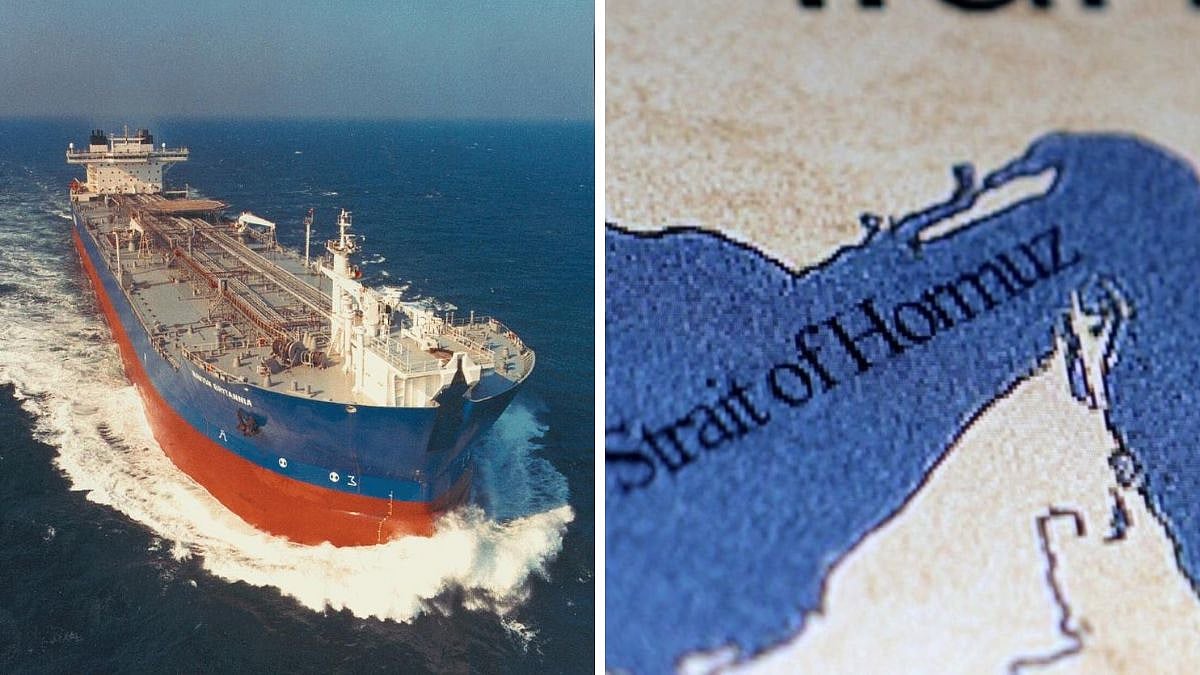
New Delhi, March 13: Iranian Ambassador Mohammad Fathali’s words of reassurance that India will receive safe passage through the Strait of Hormuz will certainly gladden Indian hearts. The Iranian envoy to India told reporters that “changes would be seen in two-three hours,” suggesting that ships carrying Indian oil and Indian nationals may be safe while going through the Strait.
Dependence on Strait of Hormuz
The reality isn’t that simple. India is dependent on 40% of its oil from the Strait of Hormuz, but there’s a catch. Energy experts say that Indian ships do not pick up oil from the Strait but have so far outsourced it to foreign tankers.
The main reason for this is insurance. Due to the Strait being so geopolitically sensitive, insurance costs are very high, and therefore Indian Oil Corporation (IOC) or BPCL prefer to outsource it.
There is another advantage to outsourcing the oil to foreign tankers – Indian oil companies do not have to own the fleet.
Complications over ship flag and identification
India could attach its flag to the foreign tankers, but naval regulations state that there must be a minimum number of Indian crew members on the ship, along with other regulations that have to be met before the Indian flag can be put on the tanker.
If there is no flag, there is no way that an Iranian ship can detect if a ship is carrying Indian oil or not.
Risk faced by Indian seafarers
Coming to Indian crew members, India is one of the top three nations in the world that supplies sailors.
Government data shows the number of Indian sailors has grown from around 1.25 lakh a decade ago to more than three lakh now. Indians now comprise around 10–12% of the total number of sailors in the world.
The problem for India is that most of the Indian crew members work on oil tankers, containers, LPG vessels and bulk carriers on foreign tankers and are at great risk when naval warfare takes place.
The Ministry of Ports, Shipping and Waterways has confirmed three Indian seafarers died, with four others injured in maritime attacks around the strait amid escalating hostilities. Naval experts believe the figure is likely to be much higher.
Signs of coordination between India and Iran
Despite these problems, some level of coordination seems to be taking place between India and Iran.
Agency reports said that on Thursday, the Suezmax tanker Shenlong, carrying Saudi crude, arrived at a port in Mumbai after transiting the strait. The Liberia-flagged vessel was the first crude carrier to reach India from the Middle East since the war between Iran and the United States and Israel broke out in late February, according to LSEG data.
The customer is state-run Bharat Petroleum Corp.
Diplomatic complexities remain
But the lack of a formal agreement between the Iranian Navy and tankers carrying Indian oil suggests the Iranian envoy’s assurance does not guarantee a safe maritime corridor.
Also Watch:
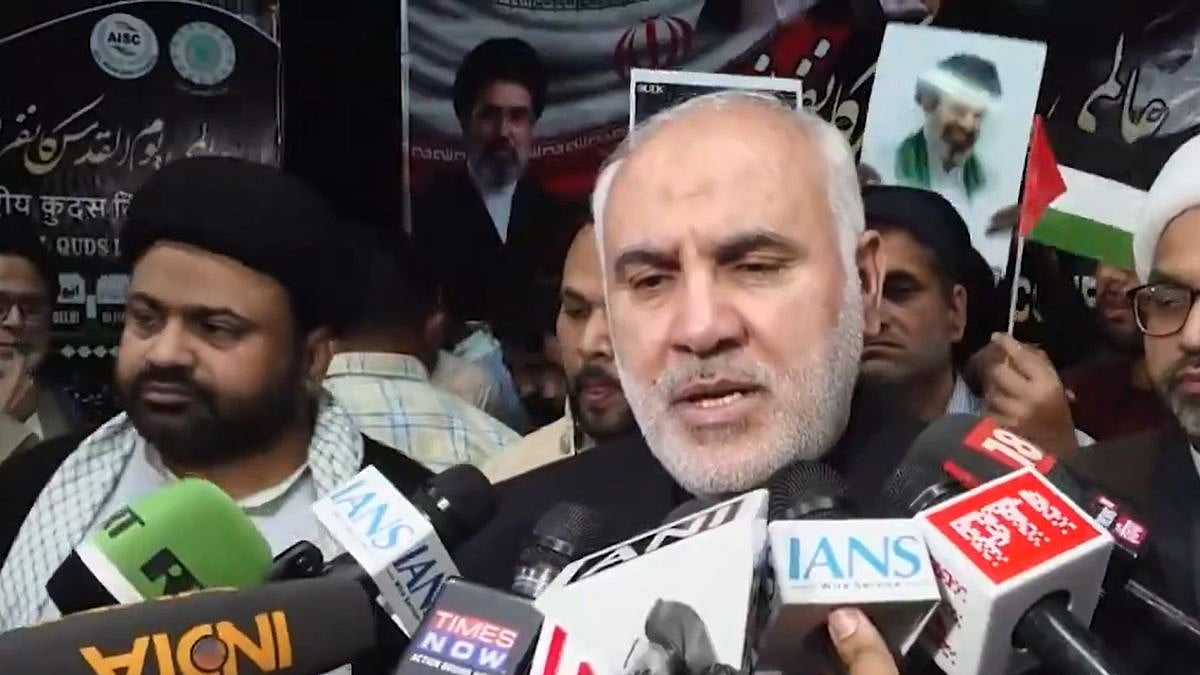
An MEA official says talks are on to make this happen, but so far Iran has not provided such assurance. In turn, Iran wants assurance from New Delhi that it will provide a joint statement from BRICS nations condemning the US-Israeli aggression.
India currently holds the chairmanship of BRICS, and so far there has been no joint statement. This has not been viewed well by Iran, which is a full member of BRICS.
To get details on exclusive and budget-friendly property deals in Mumbai & surrounding regions, do visit: https://budgetproperties.in/

