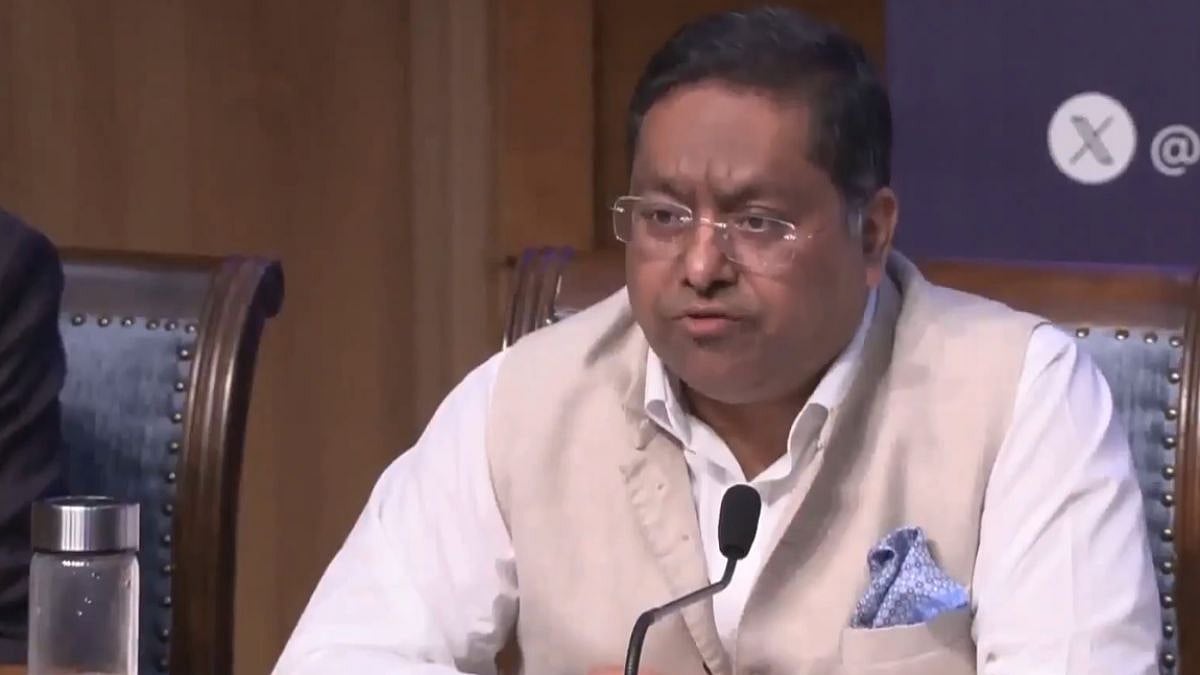
NEW DELHI: The MEA released a statement on Friday condoling the large number of “civilian casualties” in Lebanon. Released a day after Israel unleashed one the deadliest bombing campaigns on the Arab nation, it said India was “deeply concerned by reports of a large number of civilian casualties in Lebanon.
As a troop contributing country to the UNIFIL that is invested in Lebanon’s peace and security, the direction of events is very disturbing.” It added: “India has always emphasised the protection of civilians as the foremost priority. Observing international law and respecting sovereignty, and territorial integrity of states is essential. Our embassy in Lebanon remains in close touch with the Indian community for its safety and security.”
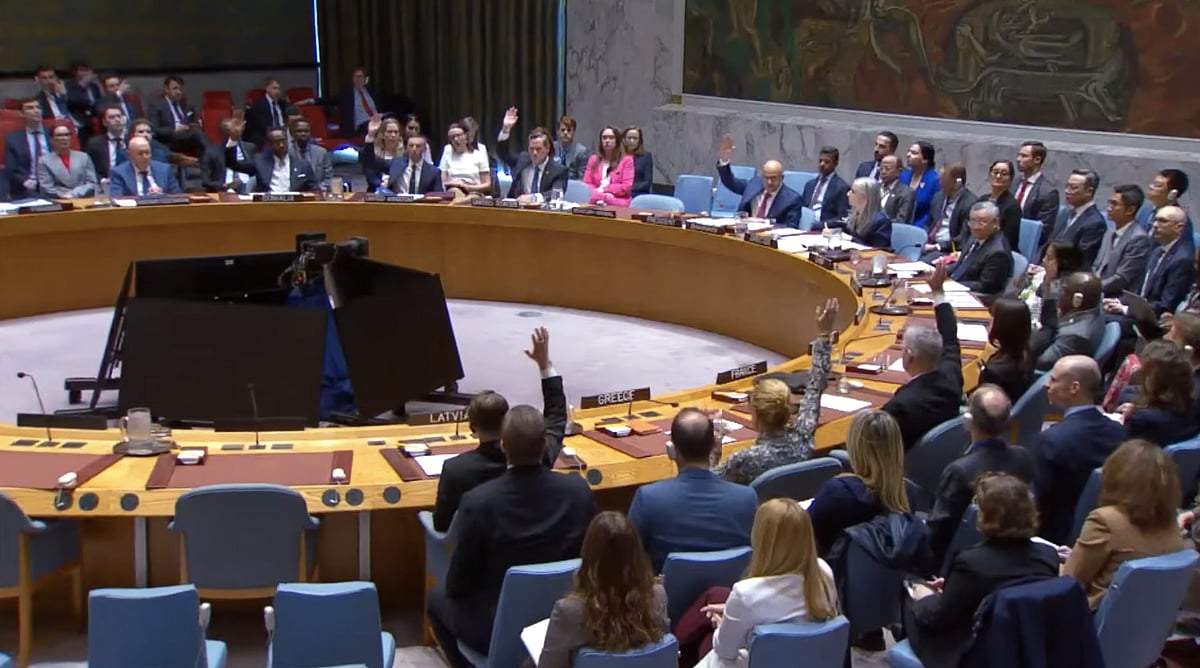
It is not the first time that New Delhi has voiced its actions over Israeli strikes on Lebanon. On March 12 this year, India and 28 other nations issued a joint statement after Ghanian peacekeepers were injured. India’s Permanent Representative to the UN, P Harish, and France’s Permanent Representative, Jerome Bonnafont, read out the statement outside the Security Council: “Peacekeepers must never be the target of attacks or intimidation of any kind. We commend the courage, professionalism and dedication of UNIFIL peacekeepers in the fulfillment of their mandate.”
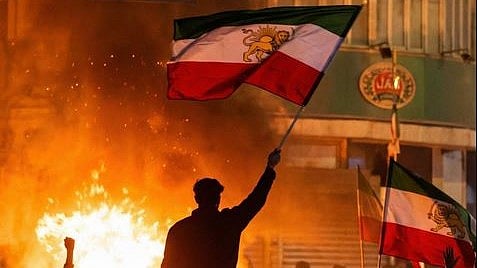
India’s latest statement did not name Israel nor mention the strikes, but its concern over civilian casualties is noteworthy given that similar language had not been used by New Delhi to condemn the civilian casualties in Iran.
A release by the MEA post the telephonic conversation between Prime Minister Modi and Iranian President Masoud Pezeshkian on March 12 stated that the prime minister “expressed deep concern about the evolving security situation in the region and reiterated India’s consistent position that all issues must be resolved through dialogue and diplomacy.”
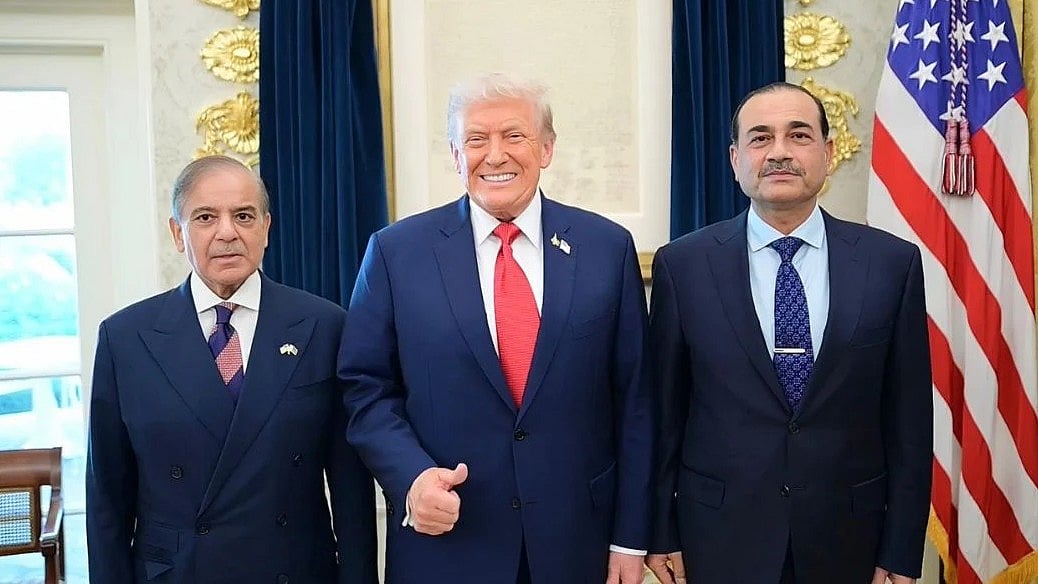
The language used in this press release has been India’s standard language regarding the conflict. A senior diplomat believes that India is hedging between Israel and Iran as it sees both as close partners, while in Lebanon, New Delhi believes it had a need to speak out given that the issue involved UN peacekeepers.
“India has often made such statements on behalf of UN peacekeepers not just in Lebanon, but also in Congo, South Sudan and elsewhere. It has done so both at the UNGA and the UNSC and has often taken in joint statements with other troop-contributing countries especially when risks increase” said the diplomat.
He added. “We did this in South Sudan in 2016 and in Congo in 2022.” The above examples show India has a long-standing history of speaking out for a number of reasons. New Delhi contributes the largest number of peacekeeping forces to the UN and hence feels obliged to speak out should attacks on them happen.
The statement also emphasises India’s strategic neutrality in conflicts and to project itself as a responsible global power willing to work within the rules of the international global system. Such a move New Delhi believes can strengthen its hand when it comes to reform of global bodies such as the UNSC.
Coming to Iran, India has not issued any statements on its own, but it did support a multilateral statement by the SCO in March this year. On March 2 India and other SCO members released a joint statement, which expressed support for the “sovereignty, security, and territorial integrity of Iran, and call on all parties to exercise restraint and to refrain from actions that could aggravate the situation.”
The statement added that the SCO member states expressed their “sincere condolences to the families of those murdered as a result of the attack and declare their solidarity with and support for the Government and the people of Iran.”
Given that the SCO includes members such as Russia and China one expected a hard-hitting statement, but what was interesting to note was that New Delhi agreed to language on Iran that it has not agreed to in any bilateral statement so far.
A senior diplomat who has worked with the UN system explained why New Delhi had gone along. “India did not want to remain isolated in the SCO bloc as this would have reduced its influence. The language used was also couched in words of international law rather than as a condemnation of Israel which we could support.
The key was to project some kind of solidarity with Iran, which we achieved, which also then gave us the license to hedge later through more neutral language in bilateral statements.”

