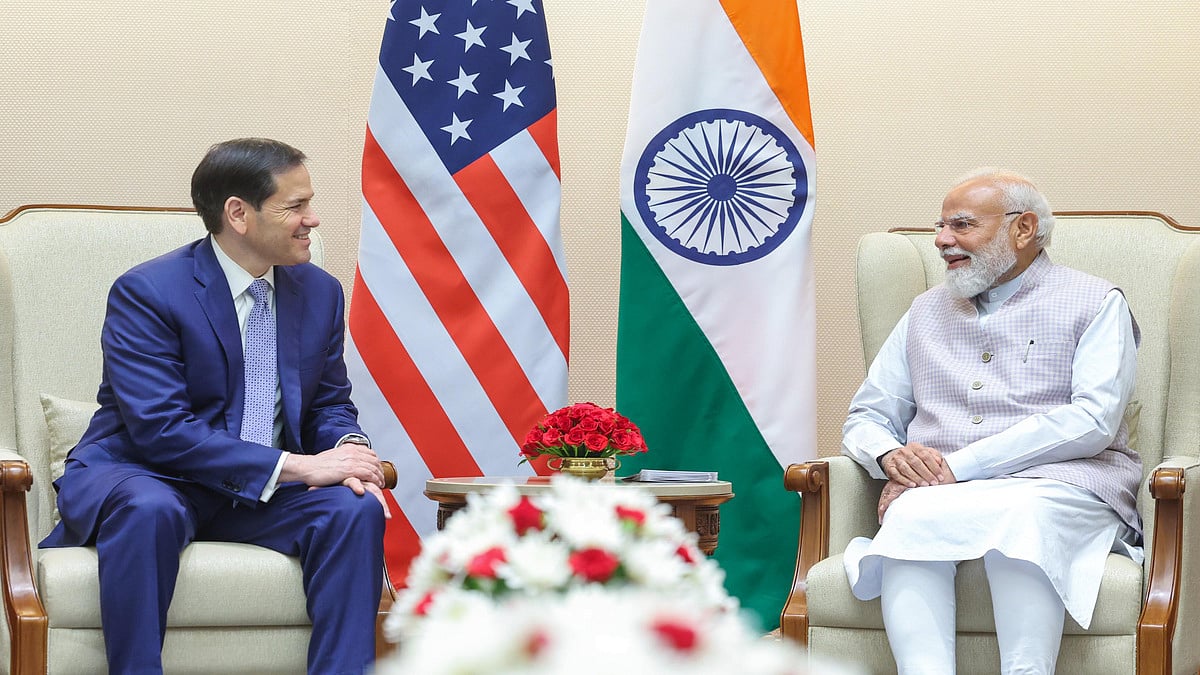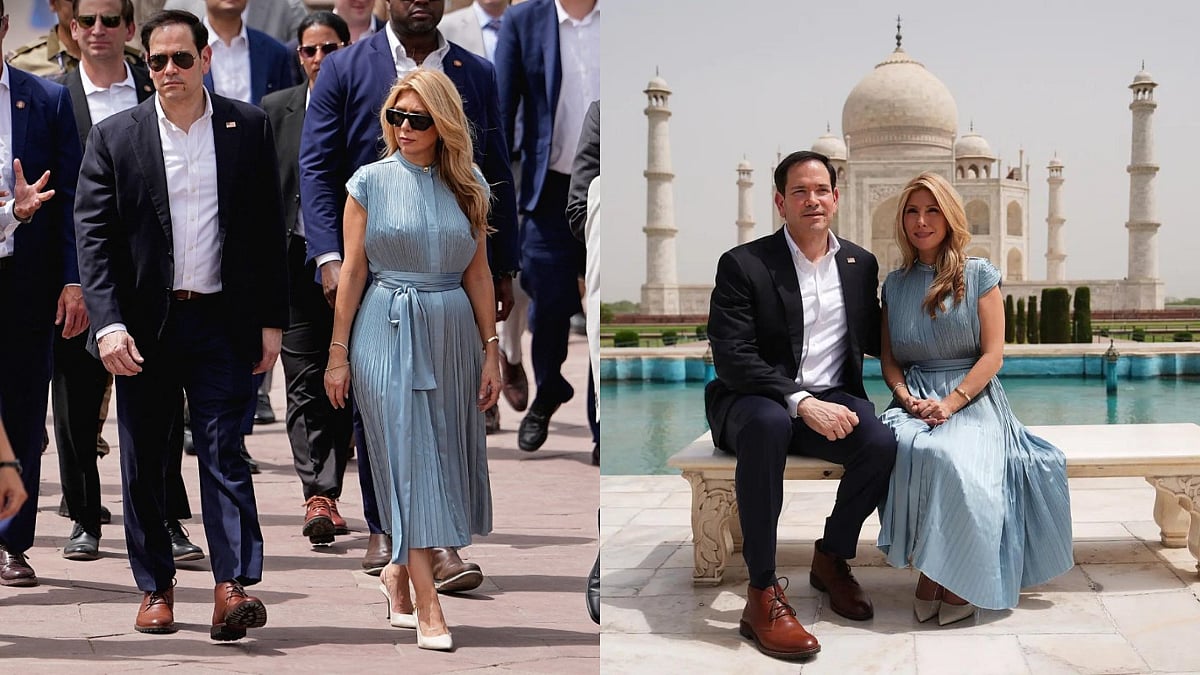
The Consulate General of the Islamic Republic of Iran in Hyderabad, on May 25, took a dig at US Secretary of State Marco Rubio after he visited the iconic Taj Mahal in Agra with his wife.
Taking to its official handle on X, the consulate criticised Rubio's visit, claiming that he was unaware of the monument's architectural and historical significance in light of US President Donald Trump's threat to "wipe out" Iranian civilisation.
"If Rubio knew the history or architecture, he wouldn't have posed for a picture here. This monument was built for the love of an emperor's Persian wife and crafted by the genius of Persian architects. Meanwhile, his government today threatens to wipe out Iranian civilisation, insulting other civilisations," the consulate wrote.
The Taj Mahal was commissioned by Mughal Emperor Shah Jahan in memory of his beloved wife, Mumtaz Mahal, who died in 1631 while giving birth to their 14th child. Construction began around 1632, and the entire complex was completed over roughly 22 years. More than 20,000 artisans, craftsmen, and labourers reportedly worked on the project. The imperial undertaking incorporated contributions from Indian, Persian, Central Asian, and other craftsmen.

Taj Mahal, Agra |
Was Mumtaz Mahal Iranian (Persian)?
Mumtaz Mahal, born Arjumand Banu Begum in 1593, was born in India, not in present-day Iran. However, she belonged to a family of Persian origin, and her father, Asaf Khan, was part of a prominent Persian immigrant family that had settled in the Mughal Empire. As a result, Mumtaz Mahal is generally described as a Mughal empress of Persian ancestry.
Were Iranian Architects Involved in the Project?
Several artisans, calligraphers, and craftsmen from Persia participated in the construction of the Taj Mahal. However, the monument was not built solely by Iranian architects. While its design drew heavily from Persian architectural traditions, it also incorporated Indian and broader Islamic influences.
Trump's Threat Against Iranian Civilisation
The consulate's remarks came several days after US President Donald Trump posted a cryptic message on his Truth Social account on May 7, writing, 'A whole civilisation will die tonight, never to be brought back again.'