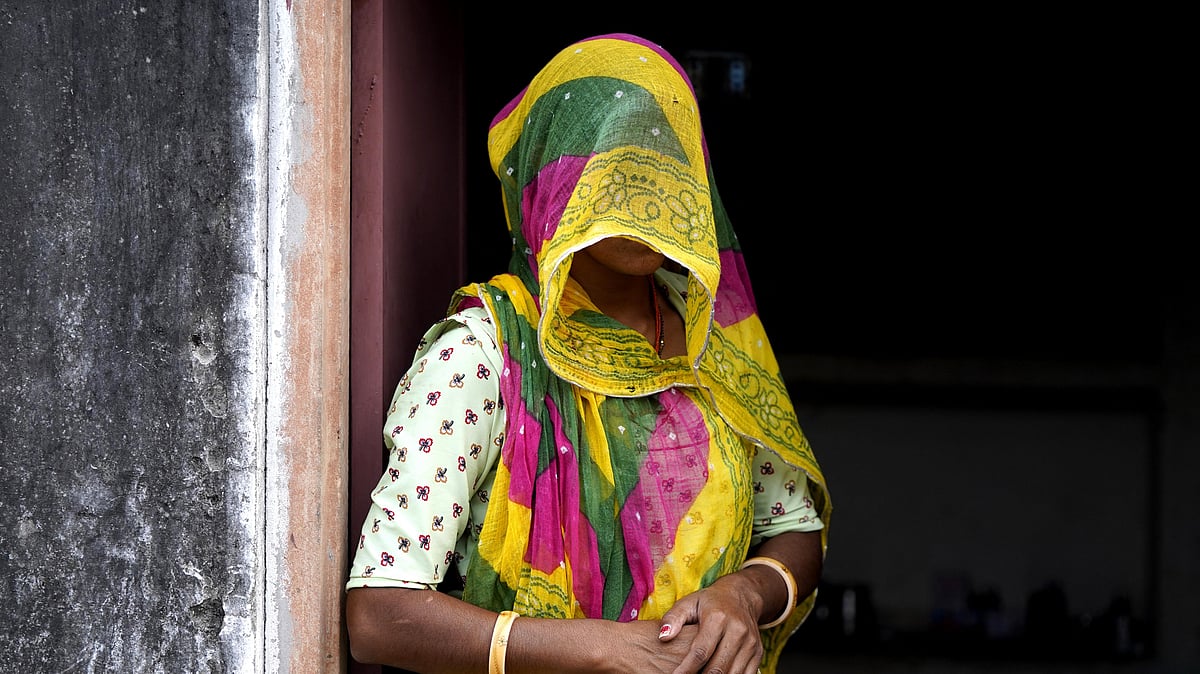
Jaipur: Women have emerged as a dominant force in Rajasthan's rural politics, with 26 of the 37 district chief (Zila Pramukh) posts going to women in the recently concluded elections. The results have highlighted the growing political presence of women in grassroots governance, with their representation reaching nearly 70%—significantly higher than the 50% reservation mandated for women in Panchayati Raj institutions.
Women Secure Seats Beyond Reserved Quota
Elections for Zila Pramukhs have been held in 37 of Rajasthan's 41 districts so far. Of these, only 18 seats were reserved for women, but women candidates won 26 posts, demonstrating their growing electoral strength beyond the mandated quota. Elections in four districts are still pending, and the number of women Zila Pramukhs could increase further.
Women candidates from all three major political parties registered victories. The Congress women candidates secured 18 seats of Zila Pramukhs, while the BJP's female candidates won seven seats. The Bharat Adivasi Party (BAP) also managed to get one woman elected to the post.
Three Congress candidates—Beena Bairwa in Dausa, Santosh Kumari in Jaisalmer, and Asha Devi in Sawai Madhopur—were elected unopposed.
District-Wise Representation Of Elected Chiefs
Women have taken charge in Ajmer, Alwar, Balotra, Banswara, Beawar, Bharatpur, Bikaner, Bundi, Chittorgarh, Churu, Dausa, Deeg, Dholpur, Hanumangarh, Jaisalmer, Jhalawar, Jhunjhunu, Jodhpur, Pali, Phalodi, Pratapgarh, Rajsamand, Salumber, Sawai Madhopur, Sikar, and Tonk.
In contrast, men were elected district chiefs in Jaipur, Barmer, Bhilwara, Didwana-Kuchaman, Dungarpur, Jalore, Khairthal-Tijara, Kotputli-Behror, Nagaur, Sirohi, and Udaipur.
Influence Of Established Political Families
The election results also reflect two distinct trends in women's political participation—the influence of political families and the emergence of leaders from ordinary backgrounds.
Several newly elected women Zila Pramukhs are from established political families. In Dausa, Beena Bairwa, wife of MLA DC Bairwa, was elected unopposed. In Sawai Madhopur, Asha Devi, wife of former minister Ashok Bairwa, won the post. Nikita Dudi, daughter-in-law of Bikaner MLA Sushila Dudi, became the Zila Pramukh in Bikaner, while Kanika Singh, from the family of senior BJP leader Rajendra Rathore, secured the post in Churu.
From Daily-Wage Labourer To Zila Pramukh
However, the election has also brought women from humble backgrounds into positions of political power.
One such example is 32-year-old Sita Devi Bawri, who has become the Zila Pramukh of Pali. A resident of Hingola Khurd village, she earlier worked as a daily-wage labourer alongside her husband, Khetaram, to support their family. The couple has three children and lives in a modest house constructed under the Indira Awas Yojana.
Sita Devi is barely literate, and her journey from working in agricultural fields to heading the district administration's elected rural leadership is being considered an example of how grassroots democracy can create opportunities for women from economically weaker sections.
Young And Educated Women Enter Leadership
The new crop of women Zila Pramukhs also includes several young and educated faces. Jhalawar's Varsha Jhala became Zila Pramukh at just 21 and holds BA and BEd degrees. Twenty-two-year-old Komal Bhanwaria of Jhunjhunu is a graduate, while 21-year-old Santosh Kumari of Jaisalmer, who was elected unopposed, has passed Class XII.
Also Watch:
Bikaner's 27-year-old Nikita Dudi holds an MSc degree, while 28-year-old Hansa Gurjar of Bundi is associated with agricultural activities. Phalodi's 32-year-old Yashwant Kanwar is a graduate. Sikar's Sunita Gathala and Dholpur's Anisha Singh are both postgraduates.
The diversity of the newly elected representatives—ranging from women with strong political family backgrounds to those who have risen from ordinary working-class households—reflects a changing face of rural politics in Rajasthan.

