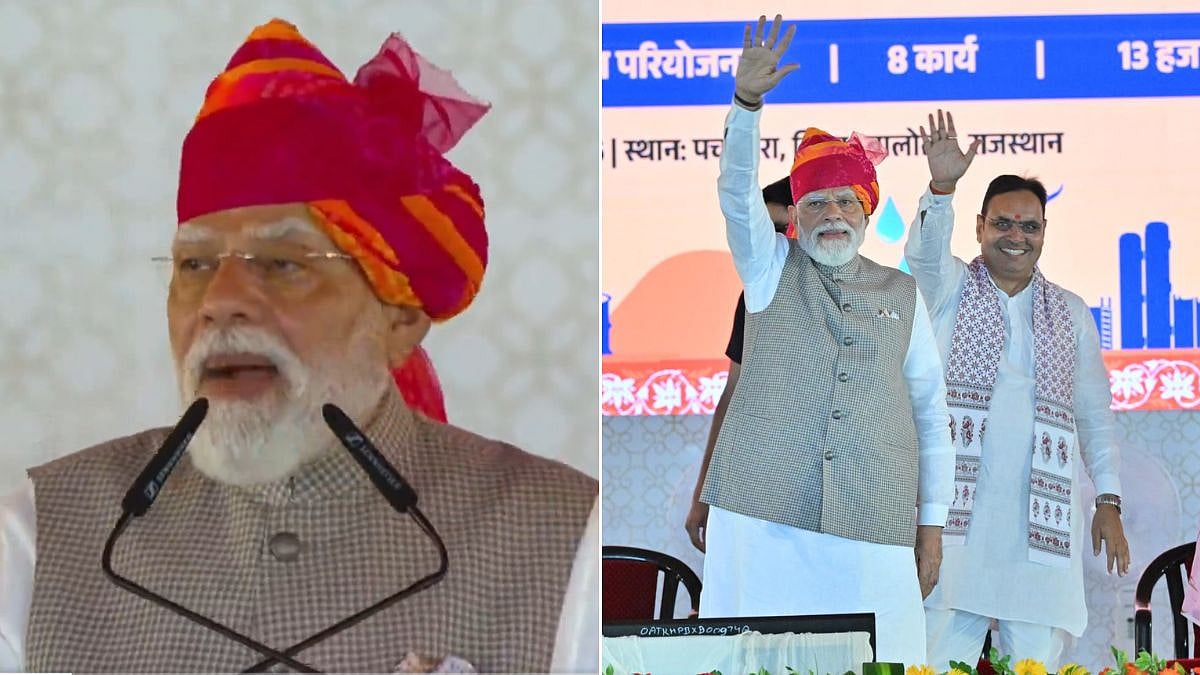
Jaipur, July 4, 2026: While dedicating India's first greenfield refinery and petrochemical complex at Pachpadra, Rajasthan, on Saturday, Prime Minister Narendra Modi saluted the resilience of the people of the country and remarked that, amidst the 21st century's greatest energy crisis—triggered by the recent global conflict—the people of India used their strength to deliver a fitting reply to those attempting to sow instability in the country. He added that those wishing to see India fail must currently be wallowing in despair.
PM Highlights Energy Response
Addressing the event, the Prime Minister highlighted the decisions taken by the government during the energy crisis that emerged following the situation in West Asia. Thanking the people for their support, PM Modi said, "The government took decisive action because we had faith in the capability and wisdom of the people."
PM Modi noted that while rumours were spread and attempts were made to instil fear, the efforts of a "New India" ultimately prevailed over this massive energy crisis of the 21st century.
The Prime Minister emphasized that India overcame the crisis by making the right decisions at every level: accurately assessing the situation, formulating effective strategies, optimising resource utilisation, and leveraging diplomatic influence positively.
He remarked, "While certain forces were busy spreading rumours and apprehension, the manner in which the situation was handled—the hard work, the efforts, and the sensitive diplomatic steps taken—was unprecedented and will certainly be recorded in history."
Diplomatic And Energy Measures
Highlighting India's diplomatic efforts, Modi said that during this time of war, India’s friendships with other countries proved invaluable. "We were importing fuel from 25–26 countries before the war, but during the crisis, our strong relations with other nations helped, and India began importing fuel from more than 40 countries. It was a clear message to the world that national interest and the welfare of our citizens are paramount. Nagrik Devo Bhava—this is our mantra," said the PM.
Speaking at length about the energy crisis, Modi said many countries struggled with severe fuel shortages, but India successfully navigated the crisis through timely decisions and strategic planning.
He revealed that as soon as the crisis began, Indian refineries were instructed to shift focus from industrial gas production to Liquefied Petroleum Gas (LPG). As a result, domestic LPG production increased from 35,000 metric tonnes per day to nearly 54,000 metric tonnes, while refineries that had never produced LPG were reconfigured to do so.
The Prime Minister further stated that over 1.1 million households were connected to the Piped Natural Gas (PNG) network within a short period, reducing pressure on LPG supplies.
Elaborating on the efforts to continue relief to the people, Modi said domestic LPG cylinder prices could have touched Rs 2,000 under prevailing global conditions, but the government ensured that consumers were protected.
He noted that domestic LPG cylinders continue to be available for less than Rs 950, while beneficiaries under the Pradhan Mantri Ujjwala Yojana receive cylinders for around Rs 650. He also pointed out that commercial LPG prices were reduced significantly just two days ago.
The Prime Minister said crude oil prices had surged from around $70 to $120 per barrel during the conflict, causing petrol and diesel prices to rise sharply across the world. Several countries even introduced fuel rationing.
However, India maintained uninterrupted fuel supplies. Modi said oil marketing companies absorbed losses exceeding Rs 75,000 crore between April and June, while the Centre also reduced excise duty on petrol and diesel by Rs 10 per litre to shield consumers from the global price surge.
The Prime Minister said the global fertiliser crisis had pushed international urea prices beyond Rs 3,000 per bag, but Indian farmers continued to receive urea at around Rs 300 per bag because of massive government subsidies.
Development Projects In Rajasthan
Talking about the recent Yamuna water-sharing agreement between Rajasthan and Haryana, the PM accused the Congress of not taking concrete decisions to resolve the water disputes. Contrasting the BJP's governance model with that of the Congress, he said the BJP is committed to nation-first politics and timely execution of development projects.
The Prime Minister asserted that BJP governments do not merely lay foundation stones but also ensure projects are completed on time. Referring to the recent accident at the refinery site, he praised the workforce for completing the remaining work at remarkable speed despite the challenge, calling it an example of New India's determination.
Also Watch:
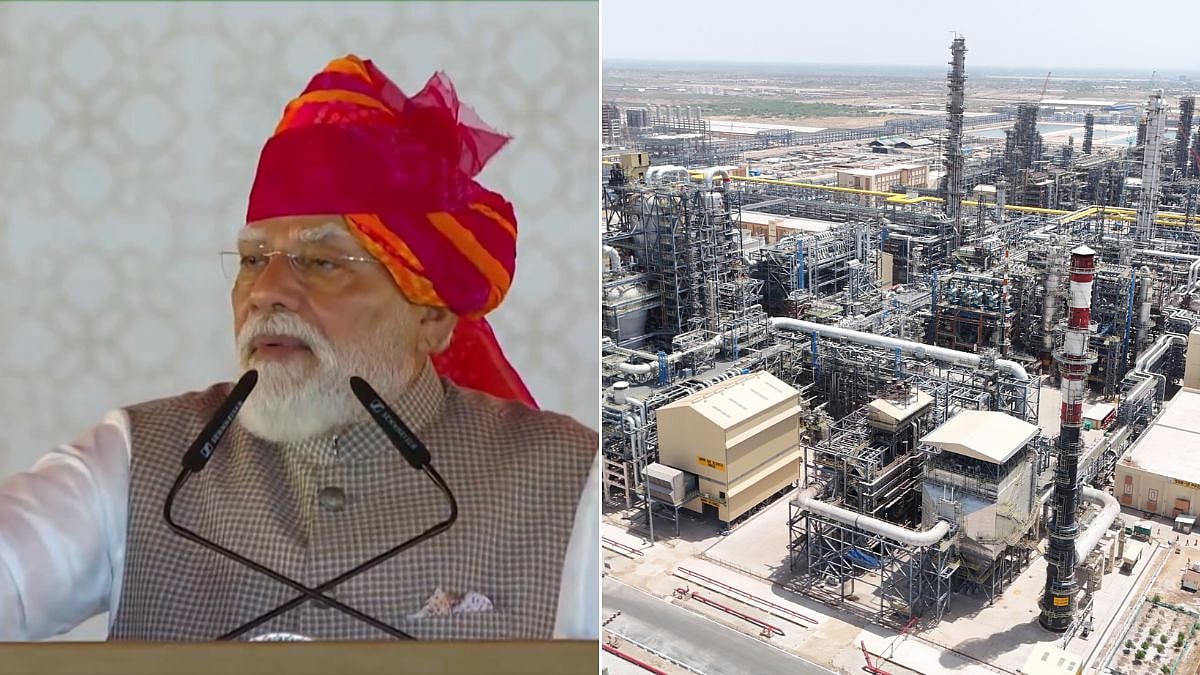
During his visit to Western Rajasthan, PM Modi inaugurated the new terminal building of Jodhpur Airport and launched the next phase of UDAN (Ude Desh ka Aam Nagrik). He laid the foundation stone for Jaipur Metro Phase II and several other development projects worth Rs 1.06 lakh crore.
To get details on exclusive and budget-friendly property deals in Mumbai & surrounding regions, do visit: https://budgetproperties.in/

