
New Delhi: India’s aviation regulator, the Directorate General of Civil Aviation (DGCA), issued a fresh Standard Operating Procedure (SOP) for airlines after the World Health Organisation declared the Ebola outbreak in the Democratic Republic of Congo and Uganda a Public Health Emergency of International Concern.
Under the new guidelines, airlines operating flights connected to Uganda and Congo have been directed to strengthen onboard surveillance, passenger screening and health reporting measures to prevent any possible spread of Ebola into India.
The DGCA has made it mandatory for airlines to ensure passengers fill and submit Self-Declaration Forms (SDFs) before disembarking in India. The requirement will apply to passengers originating from or transiting through Ebola-affected regions. Airlines have also been instructed to make specific in-flight health announcements to help identify suspected Ebola cases early during travel.
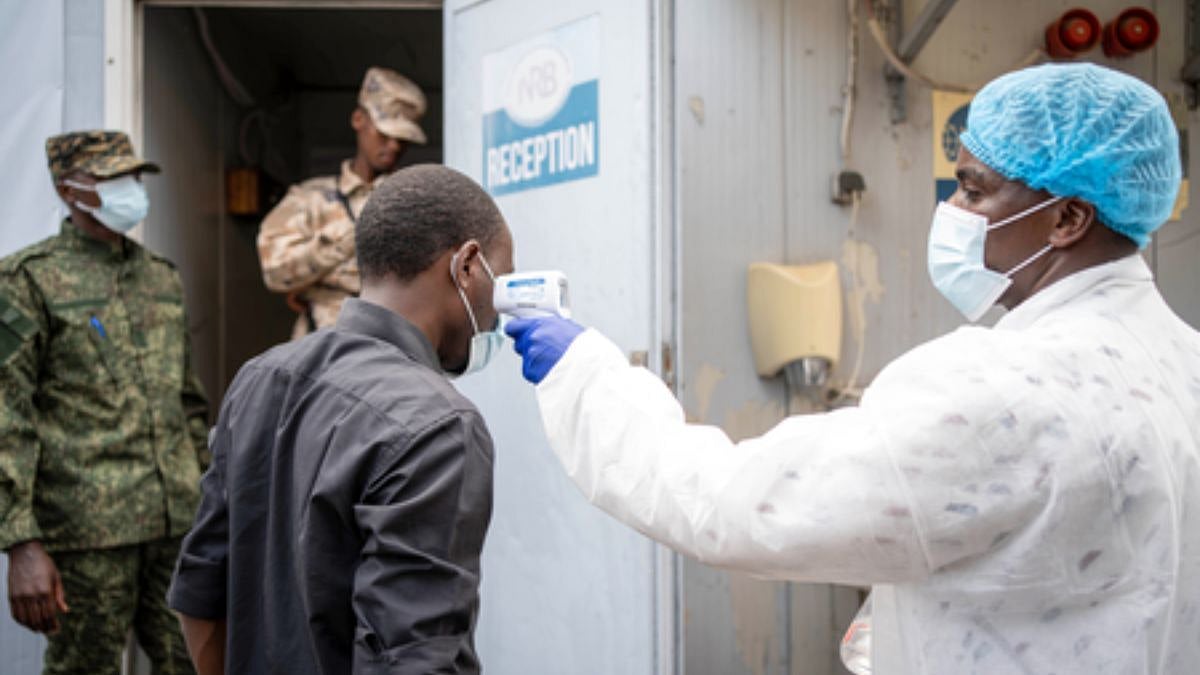
Passengers will be asked to immediately report symptoms including fever, weakness, muscle pain, headache, sore throat, vomiting, diarrhoea, rash or unexplained bleeding to cabin crew members, airport health officials or immigration authorities upon arrival.
According to the SOP, all passengers and crew members, irrespective of nationality, will be required to submit self-declaration forms at designated immigration or health counters after landing in India.

The DGCA further directed airlines to inform travellers that if Ebola-related symptoms develop within 21 days of arrival in India, they must immediately seek treatment at designated hospitals and notify airport health authorities.
The aviation regulator has also laid down detailed onboard handling procedures for suspected Ebola cases during flights. If a passenger develops symptoms mid-air, airlines have been instructed to relocate the person to the rear section of the aircraft wherever possible and keep at least three surrounding rows vacant to minimise exposure risk.
Airlines have additionally been asked to maintain sufficient stock of triple-layer masks, disposable gloves, PPE kits, hand sanitisers and bio-hazard disposal bags onboard aircraft. The move is aimed at enhancing surveillance at Indian airports and boosting preparedness against any possible international transmission of Ebola through air travel.
Ebola is a highly infectious viral disease that can spread through direct contact with bodily fluids of infected persons and has previously triggered deadly outbreaks in parts of Africa. Health authorities globally remain on alert following the WHO’s emergency declaration.

