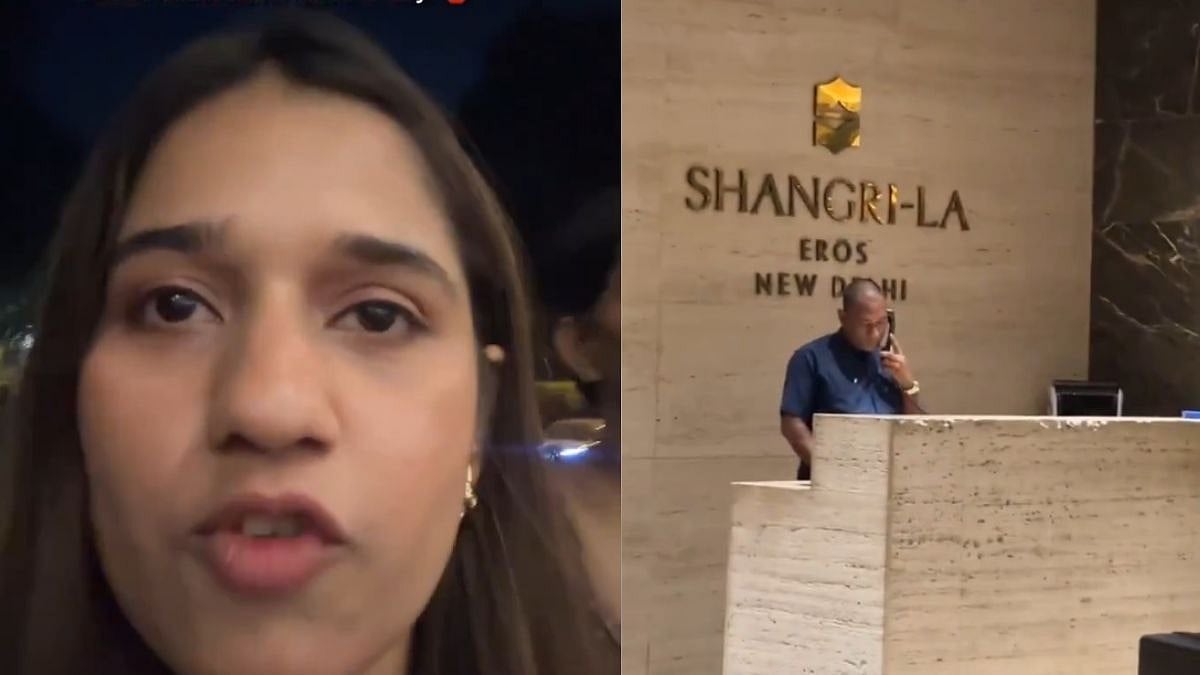
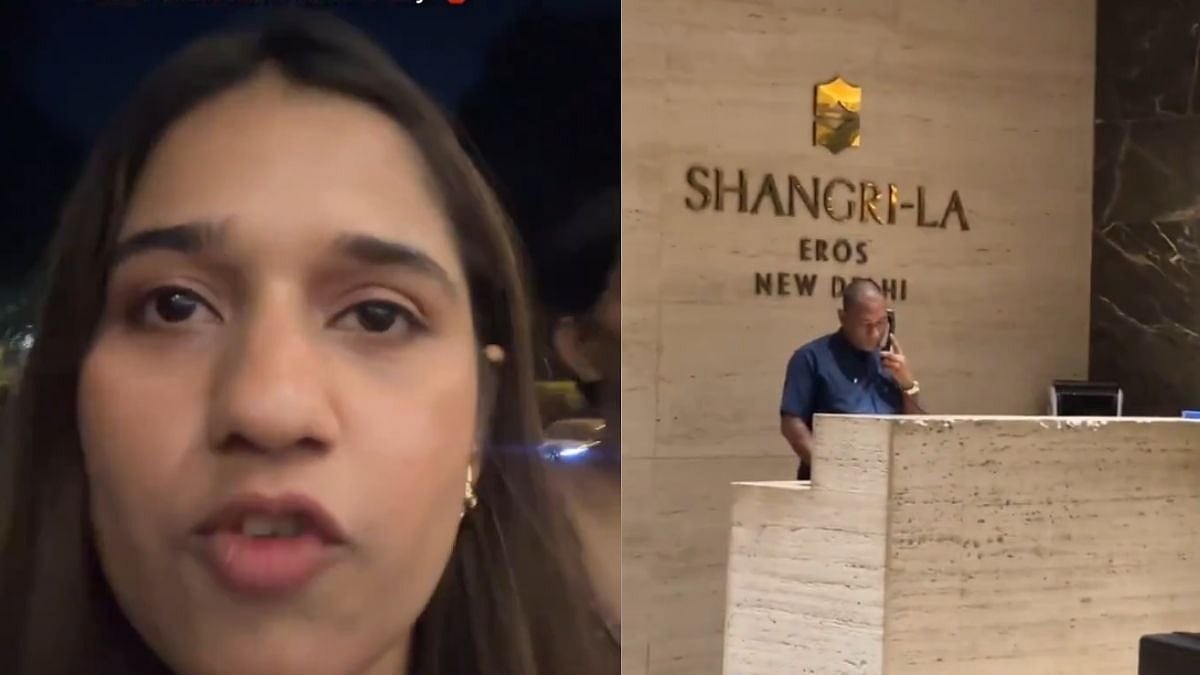
A viral video from Delhi has brought an unusual 159-year-old law back into the spotlight. A woman who allegedly claimed she was denied access to a washroom at the Shangri-La hotel sparked a debate on X over whether hotels can refuse washroom access to non-guests.
During the discussion, some users cited the Indian Sarais Act, 1867, suggesting that the colonial-era legislation gives travellers a right to use toilet facilities at hotels. But what does the law actually say, and is it still valid?
What Is The Sarais Act, 1867?
The Sarais Act, 1867, is a colonial-era law enacted on March 15, 1867. Its stated purpose was to regulate public “sarais” and “puraos” — establishments that provided shelter and accommodation to travellers. The Act defines a sarai as a building used for the shelter and accommodation of travellers.
The legislation primarily deals with the registration and regulation of such establishments and lays down several responsibilities for their keepers. These include maintaining cleanliness, keeping drains and water sources in proper condition, repairing the premises and providing watchmen for the safety of travellers.
Does It Give Everyone A Right To Use A Hotel Washroom?
This is where the viral debate requires some clarification.
The Act does not simply state that every member of the public has an unconditional right to enter any hotel and use its washroom. Its provisions concern regulated sarais and the duties of their keepers. Therefore, citing the Act as automatic legal proof that a modern five-star hotel must allow any non-guest to use its toilet would be an overstatement.
The distinction is particularly important in the Delhi incident, because a modern luxury hotel may be governed by contemporary hotel, municipal, tourism and other regulatory frameworks rather than being treated in the same manner as a 19th-century sarai.
Is The Sarais Act Still Valid?
The Act remains listed on India Code as a Central Act; it has not simply disappeared from the statute book.
However, its continued presence does not necessarily mean that every provision routinely governs modern hotels across India. The Law Commission of India has described the legislation as obsolete and recommended its repeal, noting that hotels are already regulated through relevant state laws and regulations.
The Act was also identified by the government’s review of obsolete laws as an outdated regulation whose subject matter is now largely covered by modern regulatory mechanisms.
Thus, while the Sarais Act, 1867 remains an existing law, its mention in the viral Delhi washroom controversy should not be taken to mean that non-guests automatically have a legally enforceable right to use every hotel’s washroom.

