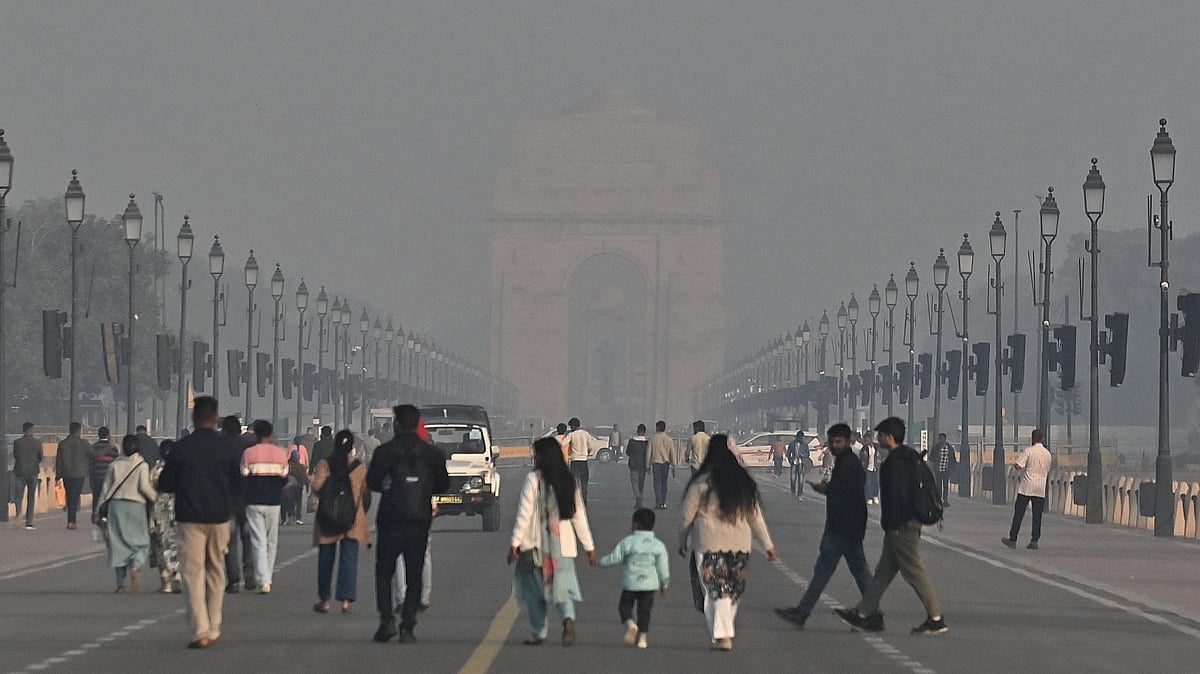
New Delhi: Authorities in Delhi have imposed the strictest pollution control measures under Stage IV of the Graded Response Action Plan (GRAP) on Saturday, as the city’s Air Quality Index (AQI) climbed to a dangerous level of 428.
According to official data, Delhi’s AQI stood at 400 at around 4 pm on 17 January, but showed a rapid upward trend and worsened to 428 by 8 pm.
Officials blamed the sudden spike to highly unfavourable meteorological conditions, including the impact of a western disturbance, coupled with weak wind speeds and poor dispersal of pollutants.
"Children, elderly and those with respiratory, cardiovascular cerebrovascular or other chronic diseases to avoid outdoor activities and stay indoors, as much as possible. If required to move outdoors, they are advised to wear mask," the Commission for Air Quality Management in NCR and Adjoining Areas posted on X.
Curbs Under GRAP-IV
One of the most important steps under GRAP-IV is a complete ban on construction and demolition activities across Delhi. Closure of stone crushers, mining operations and related activities throughout the NCR.
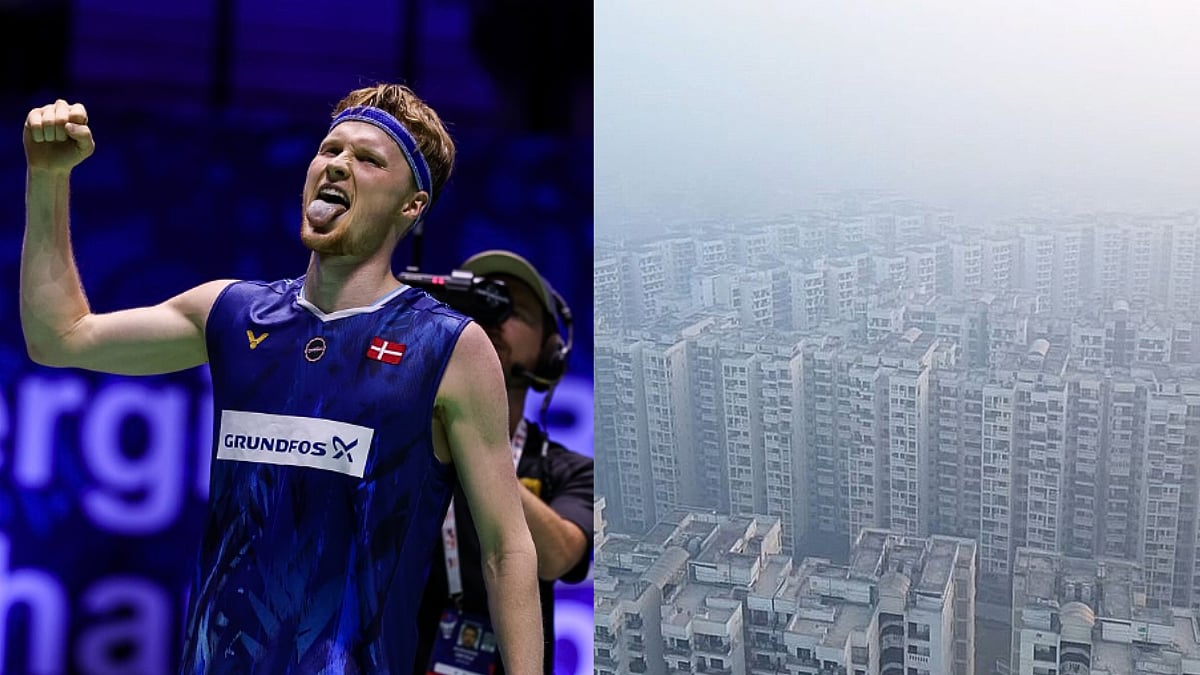
Educational institutions have been directed to shift to hybrid learning modes for classes up to Class 5, reducing the exposure of young children to hazardous air.
Besides, transport curbs are tightened sharply. The entry of BS-III petrol and BS-IV diesel four-wheelers into Delhi have also been barred.
Under GRAP, the air quality is categorised into four stages: Poor (AQI 201-300), Very Poor (AQI 301-400), Severe (AQI 401-450) and Severe+ (AQI above 450).
Public, municipal, and private offices are recommended to operate with at least 50% staff working from home.

