Delhi is set to face a stricter set of pollution-control measures from November 1, with the Delhi government introducing a permanent Winter Pollution Master Plan to tackle the capital’s worsening air quality during the winter months.
Under the new framework, several rules will automatically come into force every year between November 1 and February 28. These include “No PUC, No Fuel”, restrictions on non-Delhi BS-VI vehicles, 50% work-from-home for offices, doubled parking charges and curbs on construction and demolition activities.
No PUC, No Fuel
Petrol, diesel, CNG and LPG stations across Delhi will provide fuel only to vehicles carrying a valid Pollution Under Control (PUC) certificate. The rule will be enforced through physical checks, ANPR cameras and digital vehicle databases.
Non-Delhi Vehicles Face Restrictions
From November 1 to January 31, vehicles registered outside Delhi that do not meet BS-VI emission standards will be prohibited from entering or plying in the capital. CNG and electric vehicles, ambulances, fire tenders, police vehicles and other essential vehicles are exempt.
50% Work From Home
Government and private offices will generally have to restrict physical attendance to 50% of their workforce, with the remaining employees working from home. Essential services such as healthcare, emergency services, public transport, power, water and sanitation will remain exempt.
Parking Charges Doubled
Authorised parking facilities will charge double the usual parking fee from November 1 to February 28 to discourage the use of private vehicles. DMRC parking facilities are exempt.
Construction Curbs
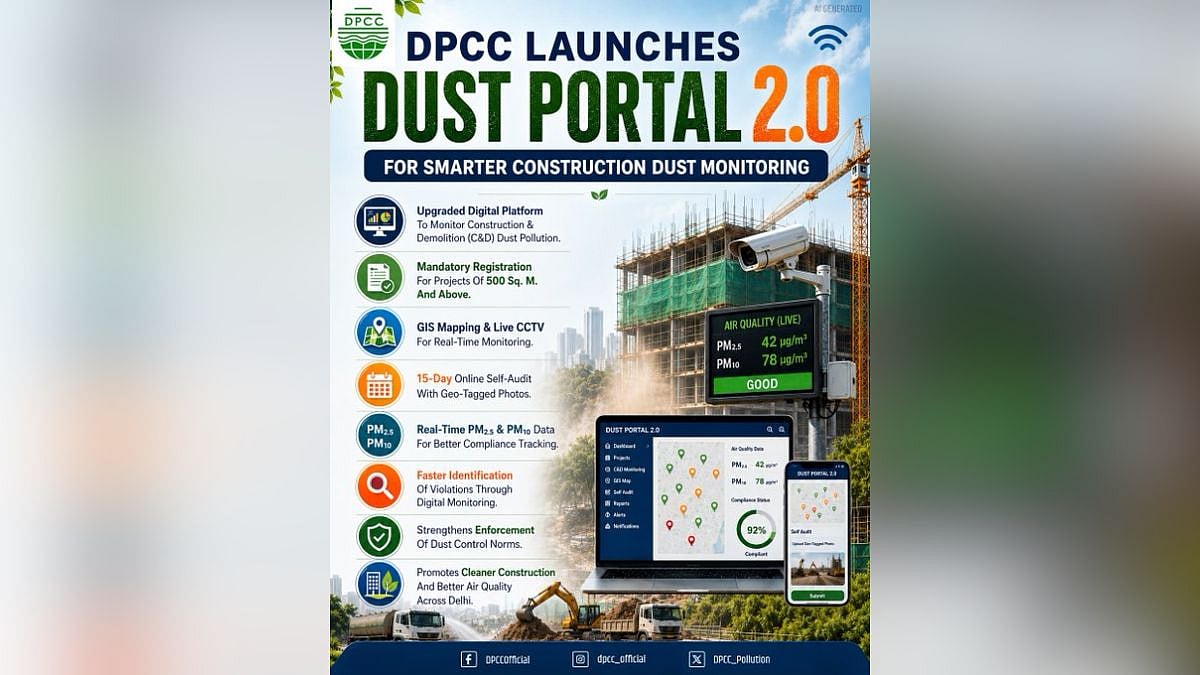
Dust-generating demolition and outdoor civil construction will face restrictions from November 1 to January 31, except for essential public infrastructure projects. Additional restrictions may be imposed during peak pollution periods.
More Pollution Checks
The framework also provides for anti-smog or mist systems at specified large buildings and major construction sites, a ban on open burning of waste and biomass, drone-based monitoring and penalties for violations.
The measures are intended to give Delhi residents, offices and businesses advance warning of the restrictions instead of waiting for pollution levels to deteriorate before imposing seasonal controls. The framework will operate alongside CAQM’s Graded Response Action Plan (GRAP), with stricter GRAP measures overriding these baseline rules when activated.

