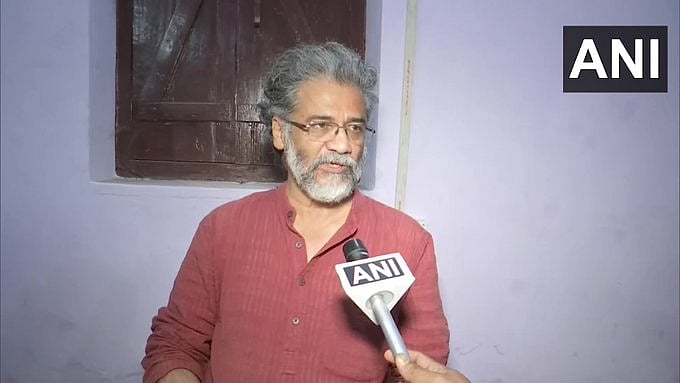
Patna: CPI (ML) general secretary Dipankar Bhattachrya on Sunday alleged that Prime Minister Narendra Modi`s remark on Instagram that on hearing young women using “crude and abusive” language during student protests at Jantar Mantar felt like a cultural shock was “provocative” in nature.
Speaking at the "Gen-Z Rising” programme which All India Students’ Association (AISA) general secretary Neha also attended, Bhattacharya alleged that Modi's statement on Instagram about the Jantar Mantar movement and its language encouraged forces involved in intimidation and violence. He claimed its impact was visible both on social media and on the ground, citing the experience of young women such as Ruchika Singh, who allegedly said the Prime Minister's remarks had made her life difficult.
The programme was organised by AISA-RYA (Revolutionary Student Union).
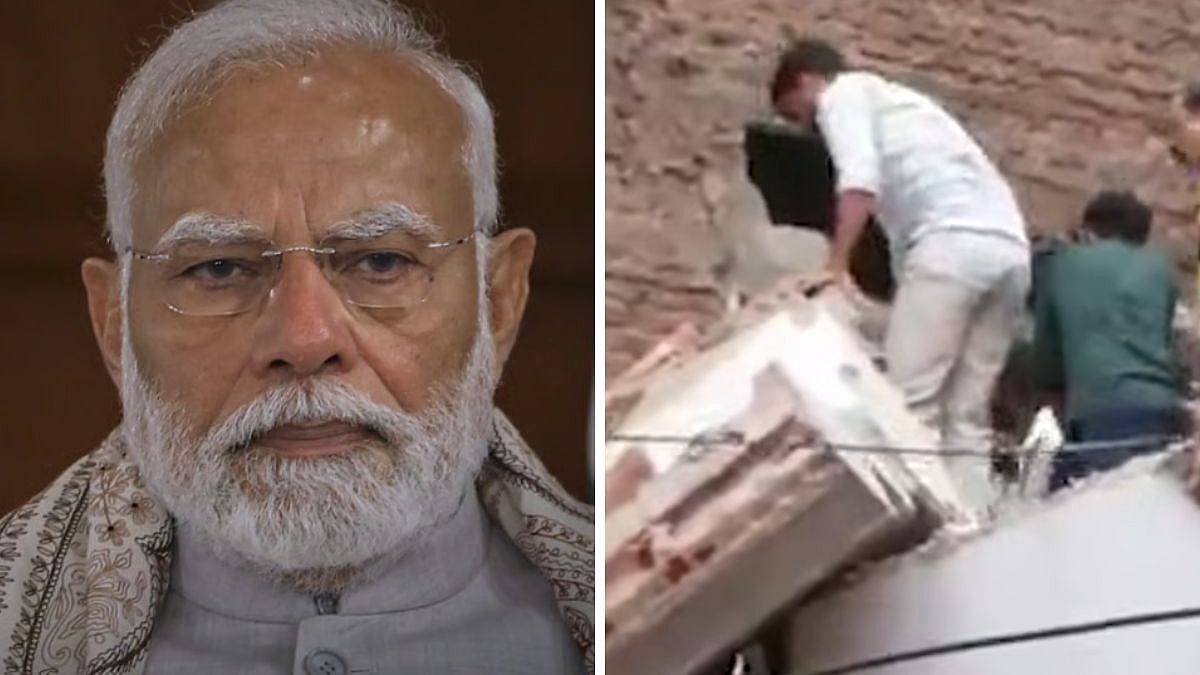
Bhattacharya alleged that targeting young people and activists on August 15 by calling them “Dimagi Naxal” was also part of what he described as a politics of provocation. He asserted that the politics of old gimmicks was ending and that the questions of young people could not be addressed through repression or attempts to defame them.
Referring to violence against the father of a youth involved in the school movement in Bengal, the CPI(ML) leader alleged that it was also linked to the Prime Minister's provocative statements. He claimed that while Prime Minister Modi had spoken from the Red Fort on August 15 about creating a “vibrant Civil Defence network” and a “massive, modern Civil Defence volunteer force,” his volunteer force was the same group of goons who disrupted movements and assaulted people. “If cases related to Jantar Mantar protest can be withdrawn, cases against farmers,” he noted.
Thanking the people of Bihar for giving strength to the Jantar Mantar movement, Neha asserted that chief minister Samrat Choudhary must answer questions regarding irregularities in the BPSC 70th exam and the police recruitment test. She alleged that the student movement had exposed the government’s “face of repression,” while Bihar had also set a strong example before the country by resisting government policies and repression.
She alleged that protesting students and their families in Bihar had also faced repression. She said the father of a student named Aditya was assaulted, while AISA leader Saba Afreen was allegedly mistreated and faced harassment based on her religious identity. She also alleged that students were portrayed as criminals and their faces were published in newspapers.
Neha said the people of Bihar, particularly students and youth, would hold the government accountable on these issues. She said the repression of students would be questioned, while the government would also have to answer for incidents of violence and rape involving women and girls in Bihar.
She said the concerns arising from the SIR process over voting rights and citizenship would also have to be addressed.
Appealing to students and young people in Bihar to unite over their rights and issues concerning education, employment, democracy and social justice, she said the time had come for the student-youth movement in Bihar to develop into a strong mass movement against repression, injustice and corruption and demand answers from the government.

