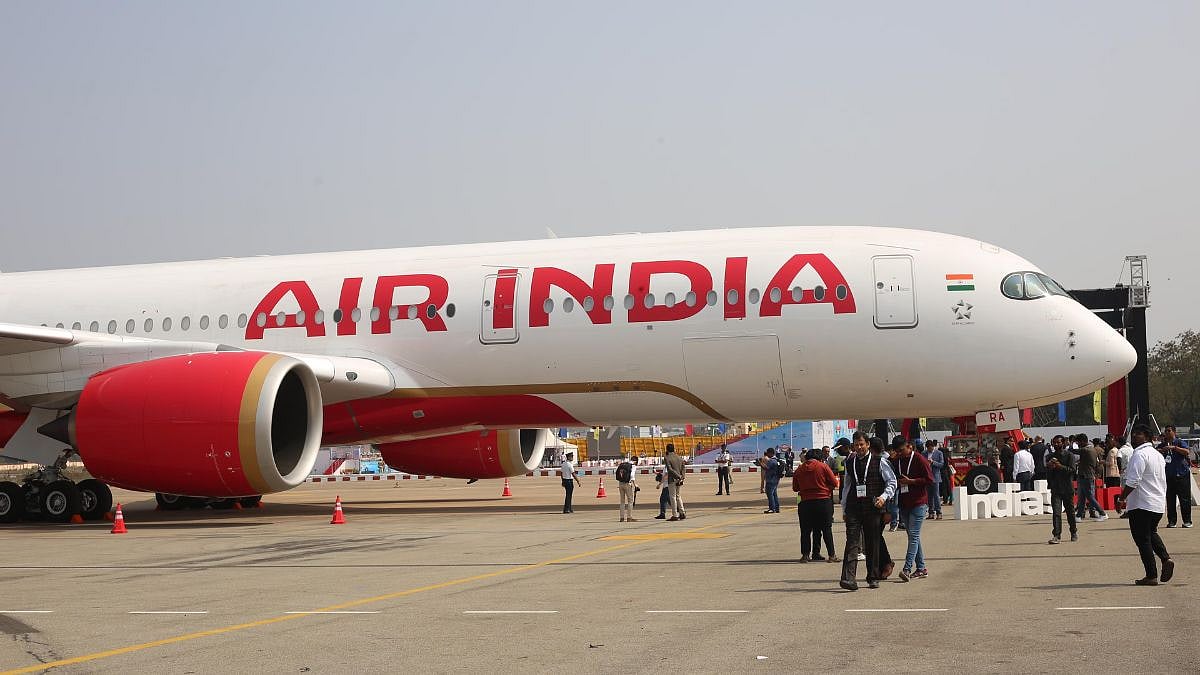
New Delhi: The Air India Airbus A320 flying from Phuket to Delhi on August 4, which experienced a sudden loss of around 300 feet in altitude, encountered multiple technical issues, including failures in all three hydraulic systems, autopilot disconnection and turbulence, news agency PTI reported citing sources. Investigators are examining the serious mid-air incident.
Autopilot disengages mid-flight
The aircraft, identified as VT-EXO and operating Air India flight AI2379, was en route to Delhi when its autopilot reportedly disengaged. The co-pilot took over manually, following which a flight-control stall warning was triggered. Several indicator switches also briefly went off as the aircraft experienced a series of technical and mechanical glitches.
AAIB launches detailed probe
The Aircraft Accident Investigation Bureau (AAIB) has launched a detailed probe into the August 4 incident. The investigation is set to receive technical support from aircraft manufacturer Airbus and France's Bureau of Enquiry and Analysis for Civil Aviation Safety (BEA).
The aircraft also faced turbulence around the same time. However, authorities are examining whether the technical failures, rather than turbulence alone, contributed to the sudden loss of altitude.
Hydraulic failures under scrutiny
Reportedly, aircraft suffered failures involving all three of its hydraulic systems. Hydraulic systems are crucial to several aircraft functions, including flight controls. The sequence and possible link between these failures and the aircraft's sudden descent will be a crucial part of the probe.
The aircraft managed to stabilise after the incident and continued its journey to Delhi, where it landed safely. At least 17 passengers and crew members were injured due to the sudden altitude loss. There were 137 passengers, including three infants, along with eight cabin crew aboard.
Aviation watchdog of India, the Directorate General of Civil Aviation (DGCA), classified as "serious incident"

