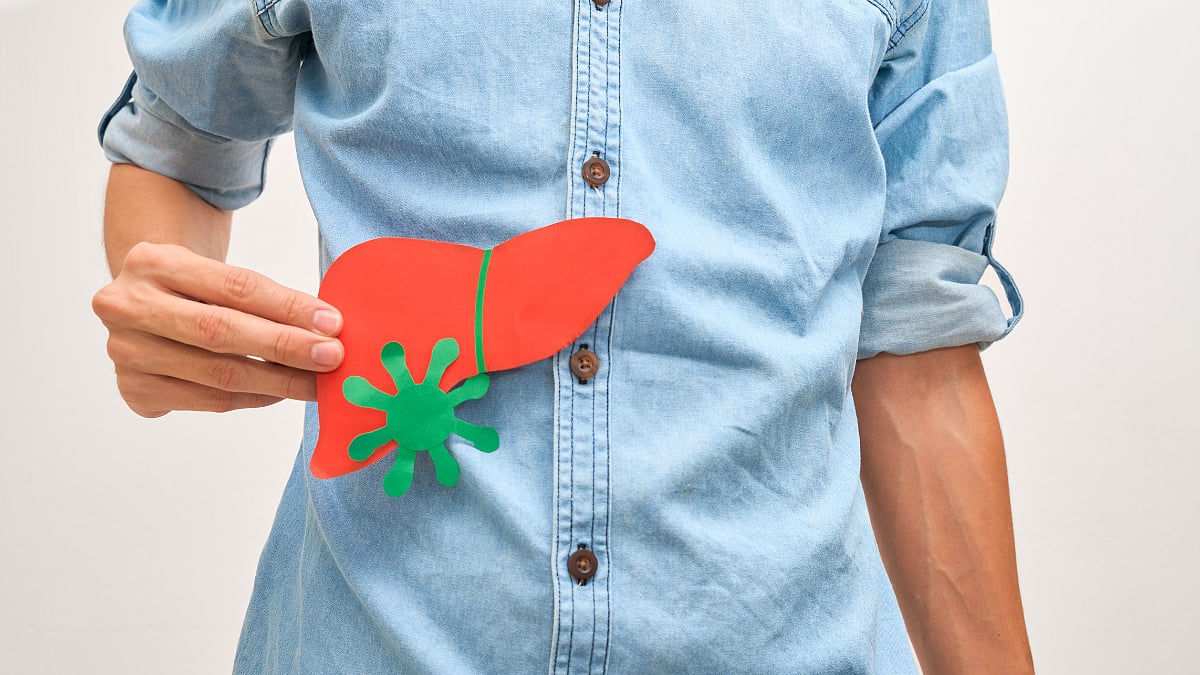
Jaipur: Rajasthan is planning a series of measures to tackle rising obesity and fatty liver cases, including a statewide “Mission Obesity Loss” campaign and dedicated “W Zones” in schools to monitor students’ weight, height, and waist circumference.
The initiatives are being planned after government-run screening identified nearly 48 lakh people as suspected of having fatty liver disease. Under the state’s Liver Smile Clinics program, 2.61 crore people were screened in 2025-26, of whom 31.02 lakh were found to be suspected, while in 2026-27, 1.32 crore people have been screened so far, with 17.44 lakh suspected cases.
Principal Secretary, Medical and Health, Gayatri Rathore said the government would study the reasons behind the people identified as suspected are not reaching hospitals for further treatment and take steps to connect them with diagnostic services, counselling, and treatment.
The decisions were taken during discussions with Dr. Shiv Sarin, director of the Institute of Liver and Biliary Sciences (ILBS), New Delhi, on screening, treatment, training, and the future course of the state’s Mission Fatty Liver program.Under the proposed “W Zones,” schools across Rajasthan will record students’ weight, height, and waist measurements to enable early identification of obesity and metabolic health risks.
The state also plans to develop a liver disease registry through an online dashboard to track patients and their treatment status.
As part of the Eat Right campaign, “Mission Obesity Loss” will focus on promoting healthier eating habits and lifestyles to address obesity, officials said.
Liver Smile Clinics are currently operational at all 63 district hospitals in the state. The clinics provide fatty liver screening, counseling, and referral for further treatment and operate every Tuesday and Friday.
The state has trained 150 nodal officers and other healthcare workers under the program, while around 10,000 medical officers and community health officers have received online training. Further online training on fatty liver screening will also be conducted.
Patients undergo preliminary assessment at health centers and are referred to district hospitals when required. At district hospitals, the severity of liver disease is assessed using the FIB-4 score. Patients requiring advanced evaluation are referred to medical colleges for FibroScan and, where necessary, liver biopsy and liver transplant-related care.

