Introduction
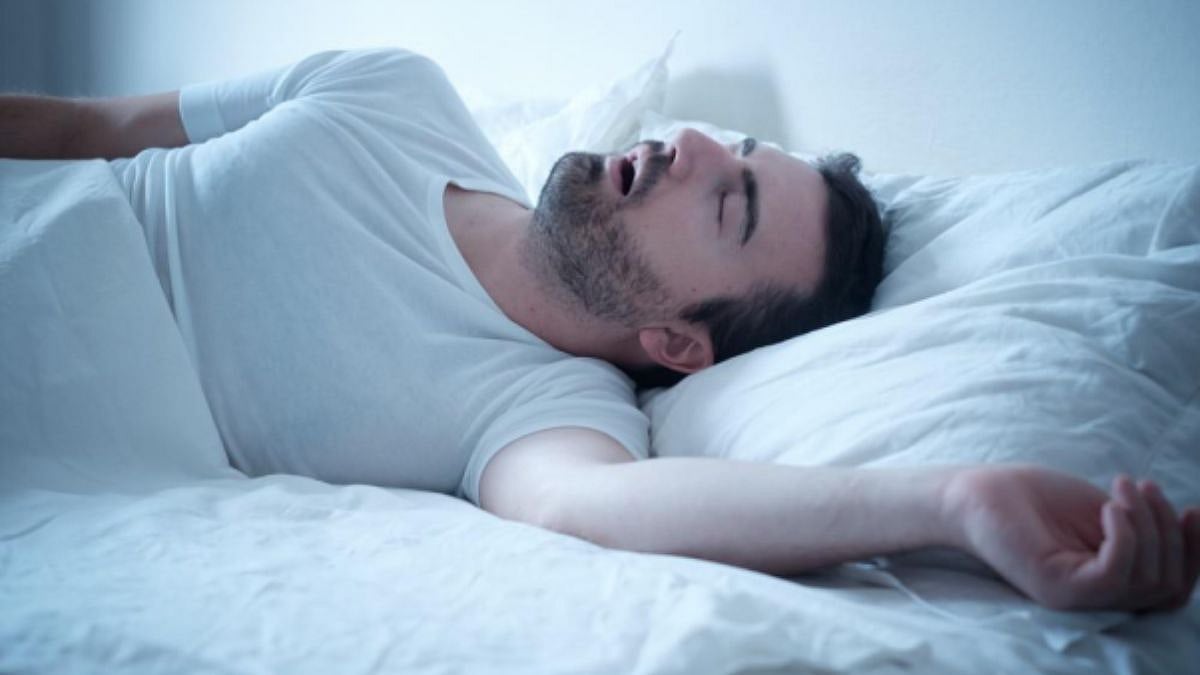
Sleep apnea is when your breathing stops and restarts many times during your sleeping. This results in poor oxygen supply to your body. It's time to see a doctor when the symptoms get worse. There are two types of sleep apnea.
Obstructive sleep apnea- It is the most common type of sleep apnea. It's a condition characterised by obstruction of the upper airway several times. It may lead to the complete stopping of airflow to the body. Central sleep apnea- It is characterised by a condition where the brain fails to receive signals/output needed to breathe.
Symptoms
Your partner may tell you about the following symptoms:
- Breathing problems like starting and stopping breathing anytime during sleep
- Frequent loud snoring
- Gasping for air during sleep
You may notice these symptoms in yourself: Sleepiness and tiredness during sleep. This may lead to problems like learning and focusing
- Dry mouth
- Headaches
- Sexual dysfunction or decreased libido
- Frequent urination during sleep time.
Sleep apnea in children may be characterised by being overactive, bedwetting, and worsening asthma. The typical way of understanding the condition is by asking about the family history of sleep apnea and assessing risk factors and symptoms.
Other diagnosis options include :
- Sleep diary
- Sleep study
Causes
Central sleep apnea is caused by the problems of the way your brain controls your breathing while you sleep. Obstructive sleep apnea Is due to your blocking of the airways during sleep. Obstructive sleep apnea is the most common type of sleep apnea.
The Most Common Things That Raise the Risk of Obstructive Sleep Apnea Are:
- Age - sleep apnea can affect any age. But it's more common when you grow older.
- Endocrine disorders - the hormone levels can affect the size of the face and tongue. People with low levels of thyroid or high levels of insulin are at higher risk of sleep apnea.
- Family genes and history - sleep apnea can be inherited. Genes also determine the structure of airways, which will influence sleep apnea.
- Obesity - it is one of the most common causes of sleep apnea. People with sleep apnea will have increased fat deposits in the neck region. Maintaining a healthy weight can prevent or treat apnea.
The conditions that help in reducing sleep apnea include;
- Healthy Lifestyle Changes: Healthy lifestyle changes can be very effective in treating sleep apnea. These include regular physical activity, healthy sleeping habits, a healthy weight, and limiting alcohol and caffeine intake.
- Breathing Devices: These are the commonly used aids for sleep apnea. Continuous positive airway pressure is an example of a breathing device. It provides constant air pressure through your upper airways to help you breathe. However, there are a few side effects of CPAP. These include congestion, dry eyes, dry mouth, and nosebleeds.
- Oral Devices: Oral devices are also a useful option for the treatment of sleep apnea. This is very useful when the Continuous positive airway pressure does not help. Oral devices are appliances that are placed in the mouth to prevent blocked airways while sleeping. You can look for these devices on the medicine app. If your doctor prescribes any medication, you can order medicines online through the app.

Final thoughts
Sleep apnea is a common problem that causes people's breathing to pause during sleep. It can lead to fatigue and difficulty focusing, which may be another underlying condition.
Sleep apnea conditions are unknown to the person themselves and are often noticed by the other person who lives with them. Anyone sleeping in the daytime must see a doctor who can solve the problem.

