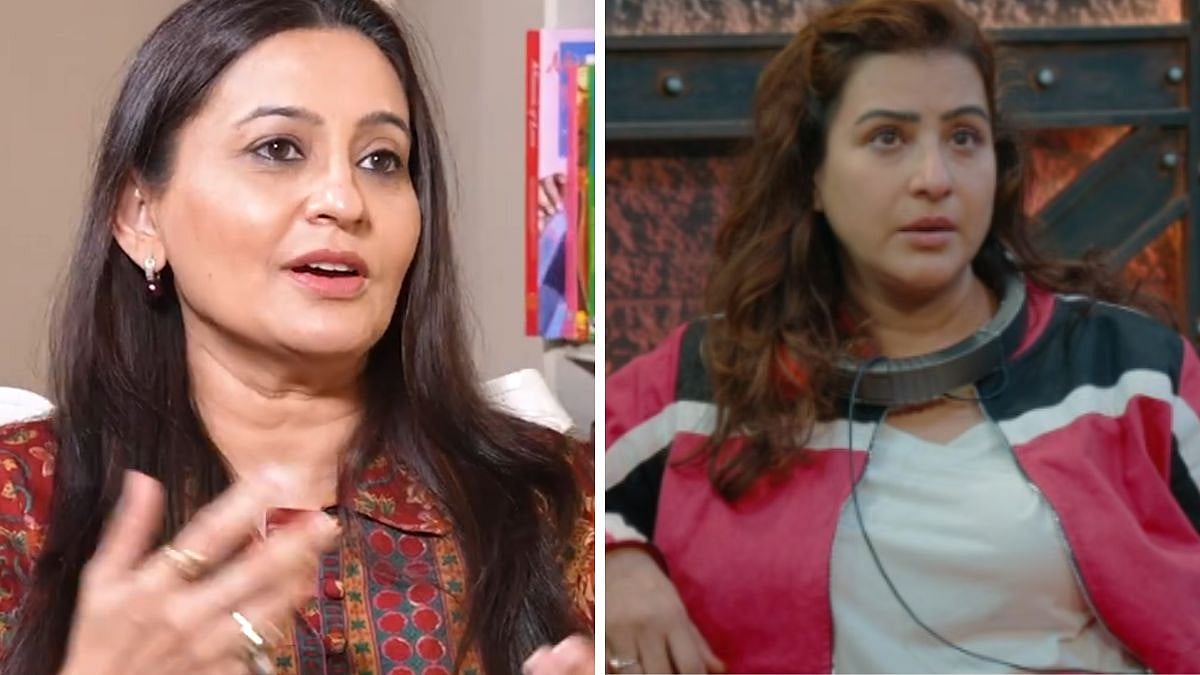
In an industry where conversations around workplace harassment, women’s solidarity and accountability continue to spark debate, a controversy involving Bhabiji Ghar Par Hain actor Shilpa Shinde and producer Sanjay Kohli has once again brought these issues into the spotlight. Shinde had accused Kohli of sexual harassment in 2016, allegations he denied.
Years later, Shinde addressed the controversy on a podcast hosted by Bharti Singh and Haarsh Limbachiyaa, where she said that the sexual harassment allegation she had made against Kohli was false and that she had filed the case because she felt she had no other option at the time. Her admission reignited public debate around the case, the impact of false allegations and the larger conversation around women speaking out about sexual harassment.
Now, in an exclusive conversation with The Free Press Journal, actor Smita Bansal has weighed in on the broader issues surrounding the controversy without naming anyone directly. Reflecting on how such situations can affect the credibility of women who report genuine instances of harassment, Bansal questioned the consequences of coming forward with allegations if the intention is not to contribute to a larger social good. She also spoke about the lack of unity within the entertainment industry, drawing a parallel with her own experiences of advocating for a 10-hour workday when others are willing to work longer hours.
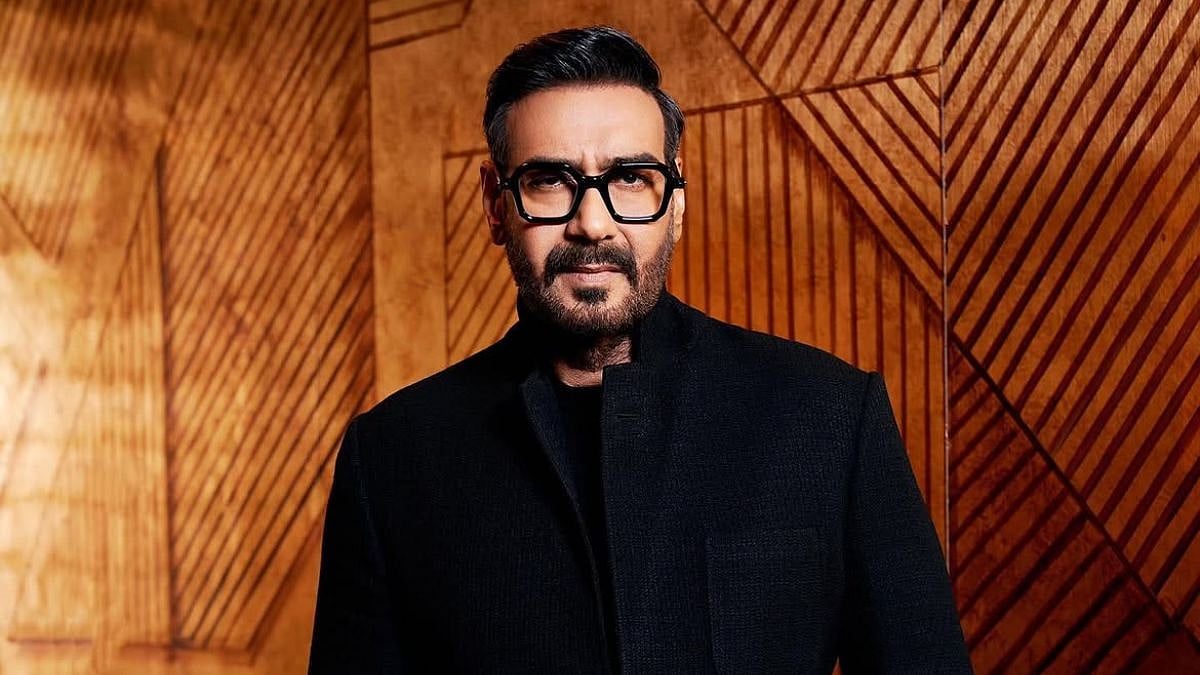
Smita reflected on the potential consequences of such controversies, questioning how they could affect women whose complaints of sexual harassment are genuine. “We have been hearing since the time of our grandmothers and great-grandmothers that women are women’s biggest enemies. Somewhere, this does seem to be true. What happened recently was a very serious matter, but I honestly don’t know what the reason behind it was. I am nobody to comment on it, very honestly. But when I read about it, my first thought was: what about those women who genuinely face problems? Who will take them seriously now?
The actress added, "Whatever your reason may have been, whatever may have happened, if you are coming out publicly today, then either you should have done so for the betterment of society, or you should have lived with your own guilt. But I don’t know, like I said, what the reasons behind her actions were or what she might have been thinking. It is a very big thing. What could have been going on in her mind? I don’t know. But yes, it definitely hampers others.”
Drawing a parallel with the controversy, Smita highlighted how the lack of solidarity in the entertainment industry can undermine those who speak up for better working conditions. “Similarly, even when we talk about smaller, seemingly trivial issues, the same thing happens. For instance, if I am asking to work for 10 hours and everybody else is okay with working for 13 or 14 hours, the value of the person asking for a 10-hour workday automatically goes down because everyone else is doing longer hours. I have heard this so many times: ‘But everybody is doing it.’ Now, I have no answer to that except to say, ‘Then bring everybody on board.’ What am I supposed to do about it? Because that whole idea of being united is very difficult to achieve in the Indian industry, or perhaps anywhere else, for that matter. I am talking about our industry because that is what I know.”

