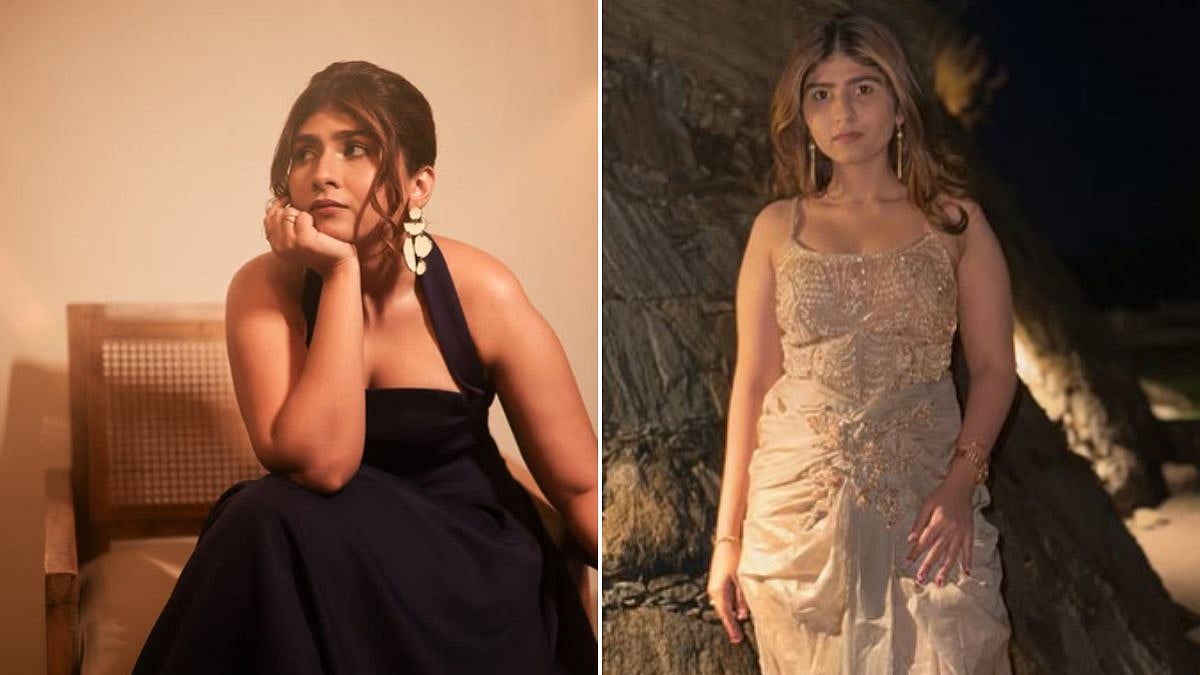
From viral mimicry to the silver screen, Chandni Bhabhda’s journey has been anything but ordinary. With her mainstream cinema debut, Tu Meri Main Tera, Main Tera Tu Meri, the digital creator-turned-actor steps into a new chapter — one shaped by patience, perseverance and quiet self-belief.
In an exclusive interview with The Free Press Journal, Chandni speaks about navigating rejection, finding her footing on a Dharma Productions set, learning the language of cinema and staying grounded amid sudden visibility. Reflective and refreshingly honest, she opens up about the moments, mentors and mindset shaping her evolving identity as a performer.
Q. Tu Meri Main Tera, Main Tera Tu Meri marks your entry into mainstream cinema. How did the film come to you, and what convinced you to say yes?
The film came to me through the audition process, which, honestly, involved a lot of waiting and self-doubt. I was initially rejected, so I had mentally prepared myself to move on. When it eventually worked out, what convinced me to say yes was the sincerity of the role and, of course, the fact that it was a Dharma Productions film. It felt like a full-circle moment for me — something I had manifested for years. I knew I had to give it everything I had.
Q. What was your first day on a film set like — was it excitement, nerves or complete disbelief?
It was a mix of all three. I was excited, extremely nervous and also in disbelief. When I was in costume and heard “Action” for the first time, that’s when it truly sank in that this was the big screen.
Q. What was it like sharing screen space with Kartik Aaryan, Ananya Panday and Jackie Shroff, especially as someone new to the film set ecosystem?
It was surprisingly comforting. As a newcomer, you’re constantly absorbing the energy from people around you, and everyone was welcoming in their own way. Kartik brings incredible focus and discipline, along with a lot of warmth. He genuinely motivated me and would often say, “Yeh scene mast kiya tune.”
Ananya made the space feel easy and familiar, almost like working with a friend. Jackie Sir’s presence was grounding; you learn so much simply by observing his humility.
Q. Coming from digital content, how different was performing for the big screen, especially in terms of scale, timing and restraint?
Digital platforms thrive on urgency, quick reactions and heightened expressions, while cinema operates on a completely different frequency. It demands stillness, control and emotional precision. I learned that silence can be just as powerful as dialogue, and that the camera captures emotions you don’t need to spell out. That shift was challenging but incredibly rewarding.
Q. You’ve transitioned from viral content to mainstream cinema. Does the shift still feel surreal?
It does, especially when I pause to reflect. The journey from creating content in a small space to being on a Dharma film set feels unreal at times. Yet it also feels like a natural progression — something built slowly, brick by brick. That balance between disbelief and gratitude keeps me grounded.
Q. Your Alia Bhatt mimicry went viral and even caught her attention. How did that moment change things for you professionally?
It gave me a great sense of reassurance. Alia is a fabulous person, and when someone you admire acknowledges your work, it reinforces your intent. It also helped people see my work beyond mimicry — as performance, observation and craft. That moment sparked conversations and helped shift how I was perceived professionally.
Q. As a self-made performer, what has been the toughest reality check in the industry so far?
Learning to sit with uncertainty has been key. The industry involves long pauses, unanswered calls and constant waiting. Rejection is inevitable, and momentum doesn’t always last. The biggest lesson has been understanding that consistency and patience matter far more than quick wins.
Q. Social media gives instant feedback, while cinema demands patience. How have you learned to balance the two worlds?
Social media keeps me connected and creatively alive; it’s where my journey began. Cinema, however, teaches patience and trust. I’ve learned to respect both without letting either define my self-worth. One offers immediacy, the other longevity — and finding harmony between the two has been key.
Q. What kind of roles do you want audiences to associate you with in the next few years?
I would love for people to associate me with characters who feel honest and relatable — women who are layered, a little messy, funny without trying too hard and emotionally real. I don’t want to be boxed into just one tone or genre. If someone watches my work and feels, “I know this person,” that’s the kind of association I would be happiest with.
Also Watch:

Q. Looking back, what would you tell Chandni who was just starting out with a phone, ideas and a lot of ambition?
I would tell her to trust her instinct a little more and panic a little less. To not rush the process or compare timelines. Everything she’s feeling — the doubt, the excitement, the fear — is part of the journey. And most importantly, I would tell her that staying honest to her voice will take her further than trying to fit into someone else’s idea of success.

