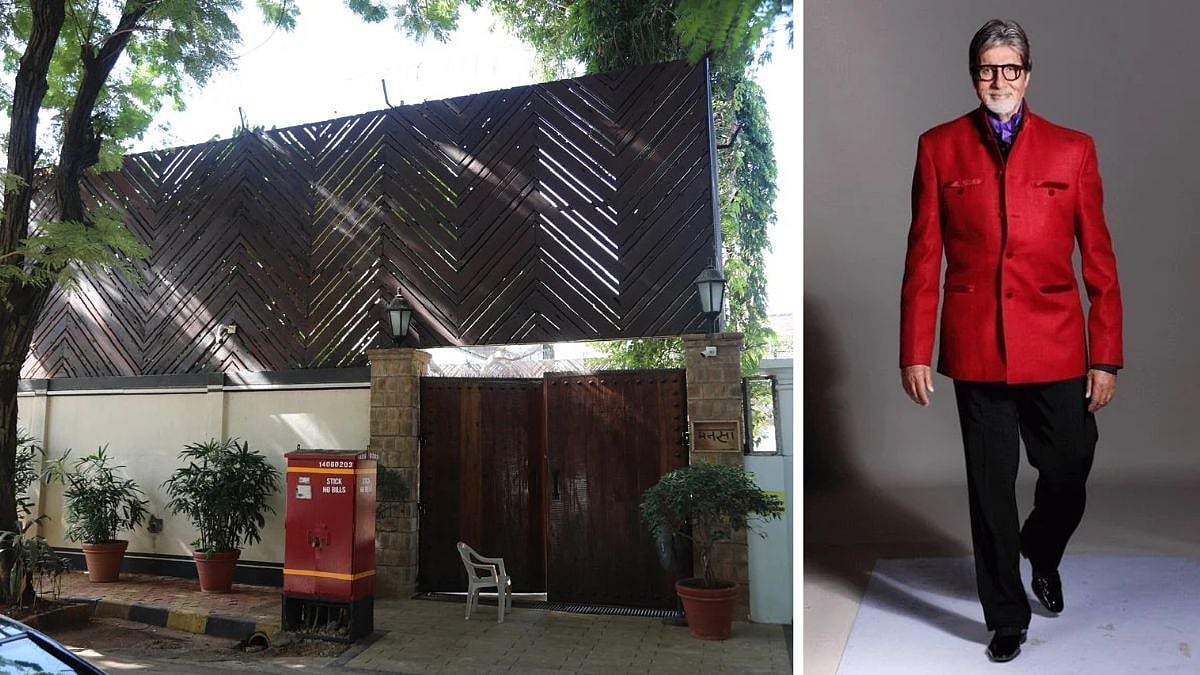
In the ’80s, it was producer Romu Sippy who told us the anecdote of how his producer-father, N C Sippy, gave their approximately 10,000 sq. ft. Juhu bungalow, called Mansa, to Amitabh Bachchan, reportedly against his remuneration for Satte Pe Satta (1982), which was directed by Romu’s younger brother, Raj Sippy.
Amitabh resold it and bought it back again
In one of his subsequent chats with us, Amitabh revealed how he had sold Mansa. He confirmed this in a social media chat later. To us, he also said that, at his wife Jaya’s behest, he later repurchased the same bungalow. They renamed it Jalsa, and he jested about how he had even paid a far higher market price for it the second time around.
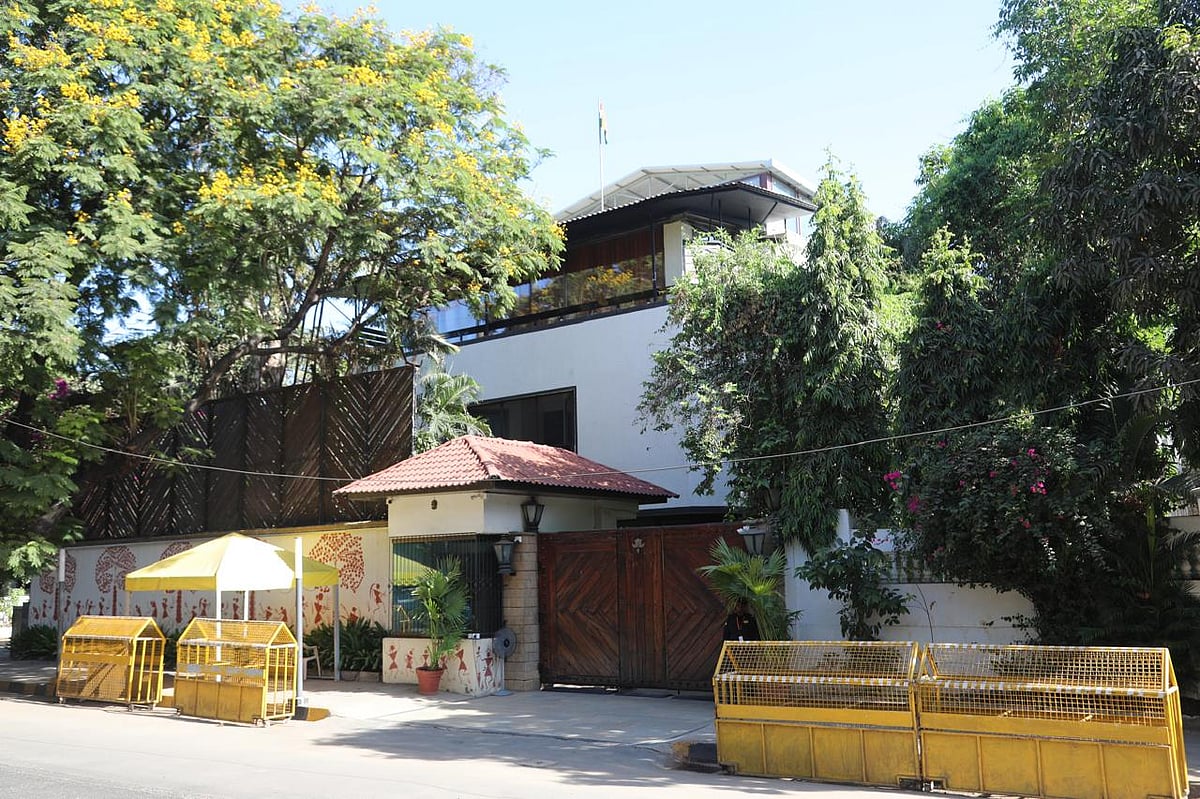
Jalsa | Anant Bhoir

Eventually, the Bachchans rebuilt this property, and it is now one of the most iconic addresses in India. It is around 5 p.m. outside the Jalsa gate, where Bachchan does his Sunday darshan routine with fans from across the globe.
So how did Mansa that twins with Jalsa today come back to the Indian film icon
Hold on, this can be confusing. So, what was once Mansa became Jalsa later.
As fate would have it, the Bachchans continued to add properties to their growing list in the JVPD (Juhu-Vile Parle Development) scheme. Post Jalsa came Janak. This bungalow is situated just one road behind their residences, and it is officially the office/entertaining area for the Bachchan family. Right next to Jalsa is Ammu, also a Bachchan home. The ground floor of this building is leased to a bank, and the first floor is residential. Then, behind Jalsa, is another bungalow that the Bachchans acquired in the 2000s. This property provides them with complete security. The lawns are used by the family for private parties/recreation. A source says, “Here, Mr Bachchan, who makes few public appearances these days, can stay comfortably in his bubble.”
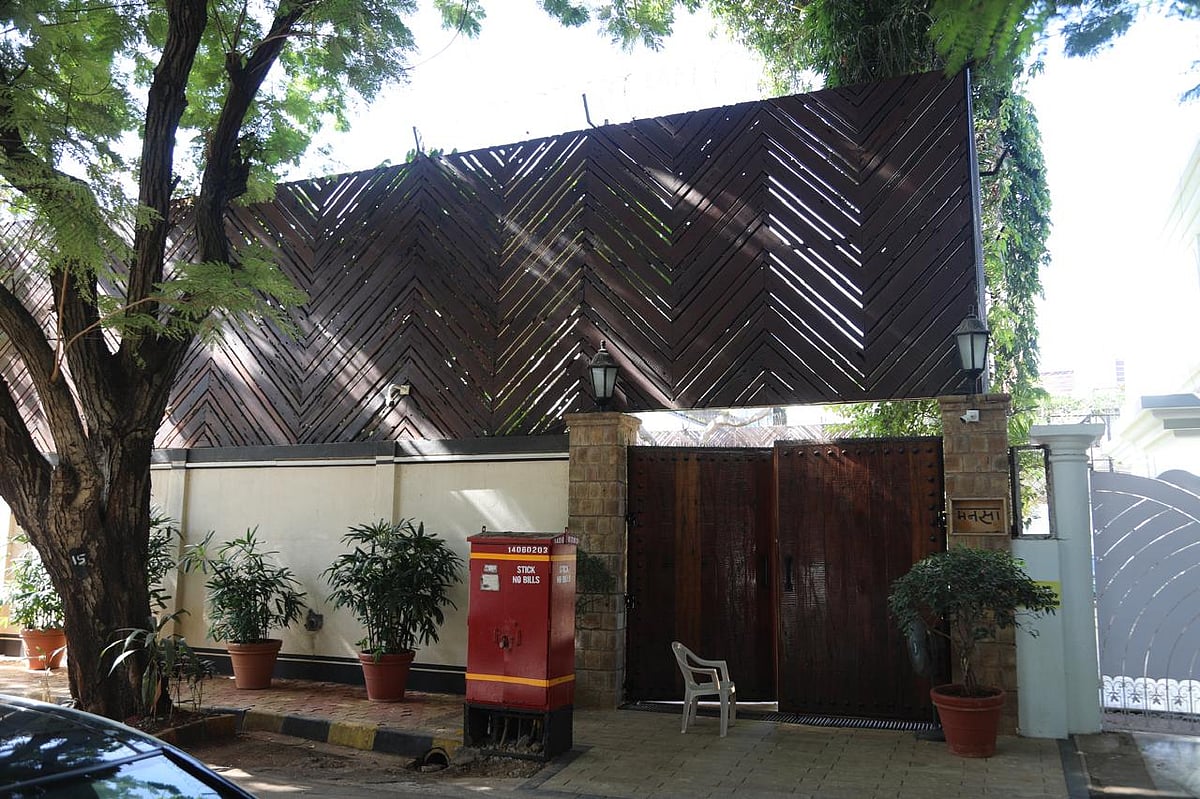
Mansa | Anant Bhoir
Mansa ke baad Jalsa, aur phir Jalsa ke peeche Mansa!
Interestingly, the newest Bachchan bungalow was earlier called by another name. But it has been rechristened Mansa.
(What does Mansa mean?)
According to Wikipedia, Mansa is a Mandinka and Maninka term from West Africa that translates to “king,” “emperor” or “sultan.” Though Bachchan Sr. is an extremely modest man, no one can argue that the term emperor suits none other than Amitabh Bachchan, who has ruled over the Indian film industry for six decades.
Amitabh worked on several superhits with the Sippys
Amitabh Bachchan shot to fame with Bombay to Goa (1972), produced by N C Sippy and Mehmood. This film was directed by S. Ramanathan. He had already done Hrishikesh Mukherjee’s Anand (1971) with the same banner. And there were further landmark associations with them in Chupke Chupke (1975) and Mili (1975), both directed by Hrishikesh Mukherjee. He had a guest appearance in Guddi (1971), also directed by Mukherjee. Lastly, he did Satte Pe Satta (1982), produced by Romu Sippy and directed by Raj Sippy. Of his associations with this banner, the one film that met with a disastrous fate was Alaap (1977), in which he co-starred with Rekha. This film was also directed by Hrishikesh Mukherjee.

