
At the age of 51, Manav Gohil, largely known as a TV star, has struck gold on the big screen with an important role in the biggest hits of the last 25 years, Dhurandhar. Manav gives an assured performance as Sushant Bansal, Deputy Director of IB. Manav indulges his sweet tooth but, otherwise, is a very careful eater.
My dietary preference: I’m a non-vegetarian, but I’m allergic to shellfish. I source my Vitamin B12 and protein from non-veg food.
The first thing I have when I wake up: Warm water. I kick-start my day with ghee and black coffee.
My meals: I have either one or two meals in the day. I don’t snack. If I’ve had a heavy workout, I prefer a protein-rich breakfast comprising eggs or muesli, or sometimes I have my desi poha or upma. If I’m having just one meal a day, I have my supper between 5 pm and 6 pm, and I eat anything and everything that I want to. But I make sure I follow a pattern — I start with fiber, then have lots of proteins and some fat, followed by some meetha.
My fitness regimen: I am not into heavy stuff; I’m more into sports and athletics. I play cricket and soccer, and I swim a lot. I alternate that with some weights. I make sure that I work out every day… consistency matters to me.
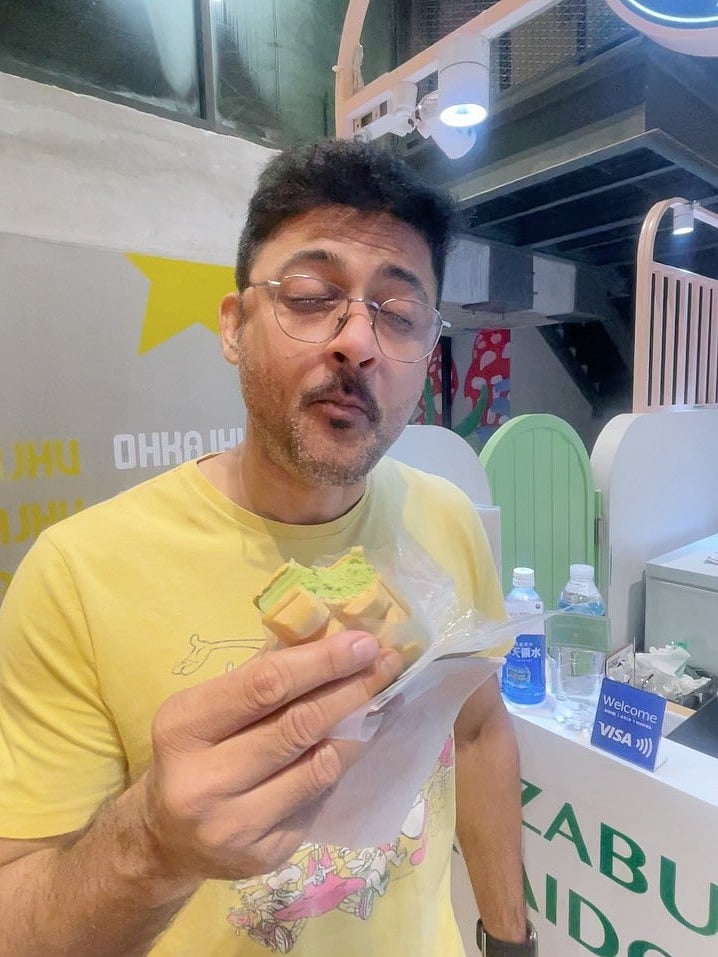
My favourite restaurants: Tao in New York. Shweta and I would love to go to Thai Ban in Bandra, but it’s closed now. So yeah, I’m looking for a new favourite place.
My favourite cuisine: Would be Thai food. Of course, my go-to food would be Indian dal chawal. I love to try different foods.
My culinary abilities: I do not cook. Had you asked Shweta about my cooking, she would have laughed out aloud. Accidentally, if I make anything for Zara in the mornings, it would be toast or eggs.
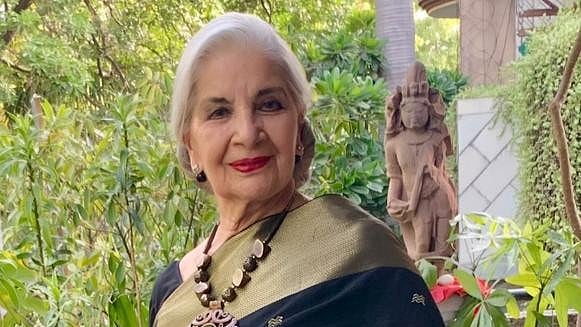
My favourite cooks in the family: Shweta is a fantastic chef when she is motivated. When I go to Delhi, my mother-in-law cooks fantastic aloo parathas. And I love my mom ke haath ka Badshahi khichdi — it’s a childhood delicacy. She also makes great biryani.
Foods I consciously avoid: I don’t overindulge in food that I like. If I feel like eating a wada pav, I will eat one, but I make sure that I don’t indulge in it on a regular basis. I don’t allow myself to binge on food.
The most exotic food that I have ever had: The Korean food Shweta and I tried once in a particular New York restaurant. I also love Japanese cuisine and the very interesting way they serve hot platters.
During winter, I eat: A lot, because the body demands it. Butter chicken and some meats are great in this season.

I feel guilty after having: I never associate food with guilt. Whatever I eat, I eat without guilt.
Food-related memories during the Dhurandhar shoot: Wherever I went to shoot — Chandigarh or Kasauli or Patiala in Punjab — I spoke with the chef, and they made the local mutton dishes for me, which I really loved. In Kasauli, there was a Rajasthani chef who made fantastic lal maas.
A food-related tip: You must eat everything that you want to… we have one life! But make sure you are accountable and you exercise; don't let it sit in your gut.

Recipe of Mutton Biryani | Representative image
Recipe of Mutton Biryani
Ingredients:
1 kg mutton (cleaned and washed)
300 gms thick curds
2 tablespoons ginger-garlic paste
2 tablespoons green chilli paste (or as per taste)
2 1/2 teaspoons red chilli powder (or as per taste)
2 1/2 teaspoons coriander powder
1/2 teaspoon turmeric powder
1 teaspoon cumin seed powder
1 teaspoon garam masala powder
Handful of finely chopped fresh coriander leaves
Handful of finely chopped fresh mint leaves
6 to 8 onions
1 tablespoon cumin seeds
Sufficient oil for frying the onions
Sufficient oil required to cook the mutton
Salt to taste
Other Ingredients:
1/2 kg basmati rice (washed and soaked for 20 minutes)
2 to 3 bay leaves
4 cloves
1 black cardamom
4 green cardamoms
1 stick cinnamon
Juice of 1 lemon
Salt to taste
Sufficient water to cook the rice

Method:
Finely slice the onions and deep fry till golden. Cool. In a bowl, whisk the curds. Add the powdered spices, ginger-garlic and green chilli paste, 4 tablespoons fried onions, salt, and coriander-mint leaves. Mix well. Add the mutton and mix well. Keep aside in the fridge to marinate for 2 to 3 hours. In a heavy-bottomed vessel, lightly heat oil and add cumin seeds. Once they splutter, add the marinated mutton. Cook on a low flame, stirring at regular intervals, till the meat is tender. Add a little water if required to cook the mutton. Keep aside.
Method to make the rice:
In a heavy-bottomed vessel, keep sufficient water to boil. Add bay leaves, cloves, green and black cardamoms, cinnamon stick, lemon juice, and salt. Add rice and gently stir. Cook on a medium flame till the rice is almost seventy-five percent done. Drain out the water completely and spread the rice on a big plate to cool.
Ingredients to assemble the biryani:
1 small bowl ghee
1 small bowl warm milk
Few strands of saffron
Leftover fried onions
Handful of fresh coriander leaves (finely chopped)
Handful of fresh mint leaves (finely chopped)
Wheat flour dough to seal the dekchi
To assemble the biryani:
Soak the saffron in warm milk for 10 minutes. Take a large heavy-bottomed utensil and lightly heat some ghee. Spread a layer of rice and evenly pour a spoonful of saffron milk, and sprinkle some fried onions on the rice. Spread a layer of mutton; top it with some coriander and mint leaves. Spread another layer of rice, pour some saffron milk, and evenly spread some fried onions on it. Layer it with the remaining mutton and fried onions. Lastly, top it with the remaining rice, ghee, saffron milk, coriander, and mint leaves. Garnish with some leftover fried onions. Cover the dekchi with a lid. Seal the lid with the dough and keep it to dum on a pre-heated tawa on a very low flame for at least 30–40 minutes. Once done, cut open the dough. Serve hot with onion kachumbar and raita.

