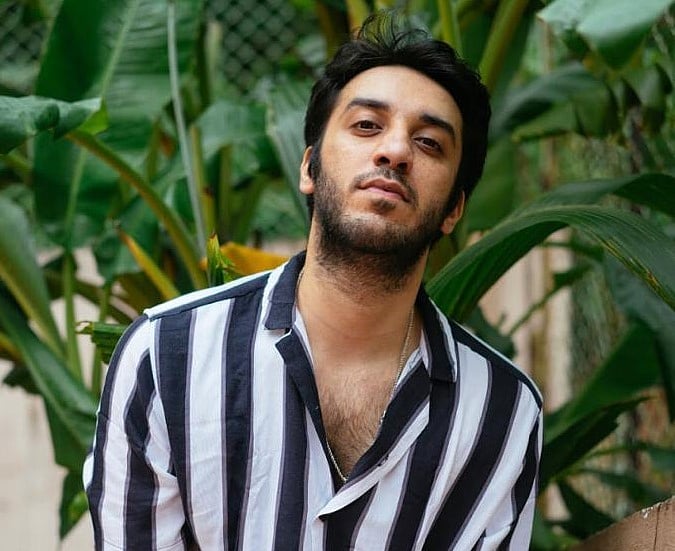
Aakash Prabhakar’s Freddie’s Piano has been selected for The New York Indian Film Festival (NYIFF) 2021. NYIFF Celebrates Unmatched Breadth of Indian Cinema with films in 15 languages this year. Freddie’s Piano was also screened virtually at the Scottsdale International Film Festival in 2020.
Freddie’s Piano is a young adult film about two half-brothers Aden and Freddie. Aden wants to give Freddie a piano to fulfil their father’s dream; Freddie wants to give Aden the freedom he dreamed about when their father was alive. Aden goes to great lengths to get his younger brother Freddie a grand piano for Christmas.
“I was really young when my mother bought me my first keyboard. Later when I began to take a little more interest in music, she promised to buy me a better version of the keyboard. Back in 2008, it used to cost Rs 40,000 to buy a proper keyboard. I remember my mum had to take loans from clients to be able to buy me the instrument so that I could pursue my creative interests. That really stayed with me and that is how I conceived the film. It is a simple film about what families of creative people go through to help him embark on his journey,” said filmmaker Aakash Prabhakar.
The film was shot in Pondicherry to bring in quaint small town vibes as setting for the film. “I have a special place in my heart for Pondicherry. Earlier, before the film was shot, I had worked in a few theatre productions here and knew the place well. The city is beautiful, the music is nice and the colours are bright. Even though we are narrating a sad story in the film, we wanted to capture the positivity of life in general in this place,” he pointed out.
When asked why he wanted to make a feature film and not a short film Prabhakar said, “You know it all depends on the story. If the story in your head deserves a full length make it that way. If the film ends in nine minutes when you look at it in your mind, that is exactly where it should end. It all depends on the perception of the filmmaker.”
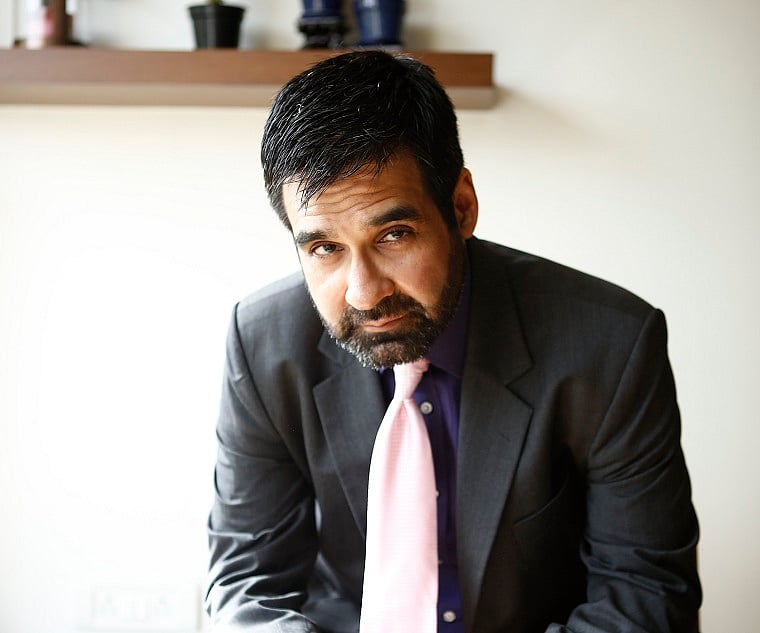
Music also happens to be a big part of the film, though it is never over the top. While classical notes have always been an inspiration for the director, he has worked hard on getting the notes right.
“We decided to go the opposite way when it came to composing melodies for the film. The music also adds a rhythm to the film and the notes we have played around with here make the backbone of the film. Silence after a point also becomes music, a ply which has also been cleverly crafted into the narrative,” he said, adding, “We have tried to capture the perkiness of life and the sombreness of a place through the music.”