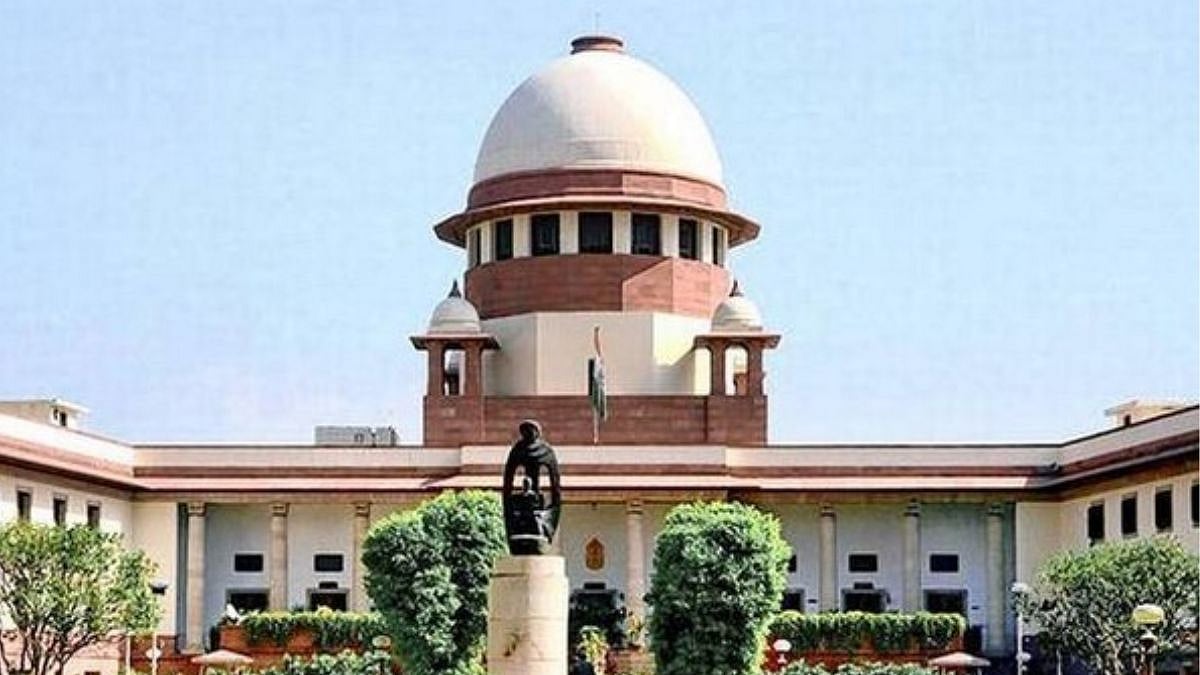
NEET PG 2026: The Supreme Court has intervened to look into the concerns regarding the standards of education in postgraduate medical college admissions, issuing notice on a public interest litigation (PIL) that raises questions about the drastic cut-off in the qualifying cut-off for NEET-PG 2025-26. The Supreme Court has given a notice to the Union government and the National Board of Examinations in Medical Sciences (NBEMS) to respond to the PIL within a week and will take up the case further on Friday.
The main issue in this controversy is the NBEMS notification issued on January 13, 2026, which allegedly reduced the qualifying percentile for NEET-PG 2025-26 to remarkably low percentages, so low that it is said to have even allowed zero or negative percentiles.
The PIL has been filed by social activist Harisharan Devgan and doctors Saurav Kumar, Lakshya Mittal, and Akash Soni.
According to the petitioners, dilution of the minimum eligibility criteria for postgraduate medical education would have far-reaching implications, including but not limited to compromised patient safety, public health, and the integrity of the medical profession as a whole. The petition also claims that the relaxation of standards in postgraduate medical education is not in line with the judicial precedents and the legal mandate of the National Medical Commission (NMC).
Why is the cut-off matter important?
NEET-PG is the only countrywide entrance exam for admission to MD, MS, and PG Diploma courses in the country. Organised by NBEMS, the entrance exam is a gateway to highly competitive postgraduate medical courses in the country.
Generally, aspirants need to score at least the 50th percentile in the general category and 40th percentile in the SC, ST, and OBC categories to qualify for counselling. The cut-offs are designed to ensure that candidates seeking postgraduate medical courses meet a minimum academic standard.
What happened for the 2025-26 academic year?
According to the petition, the January 2026 notification drastically lowered these cut-offs to unprecedented levels, purportedly to fill up vacant postgraduate seats. While limited relaxations have been allowed in the past years in extraordinary circumstances, the extent of the relaxation in the present case is excessive and unprecedented.

