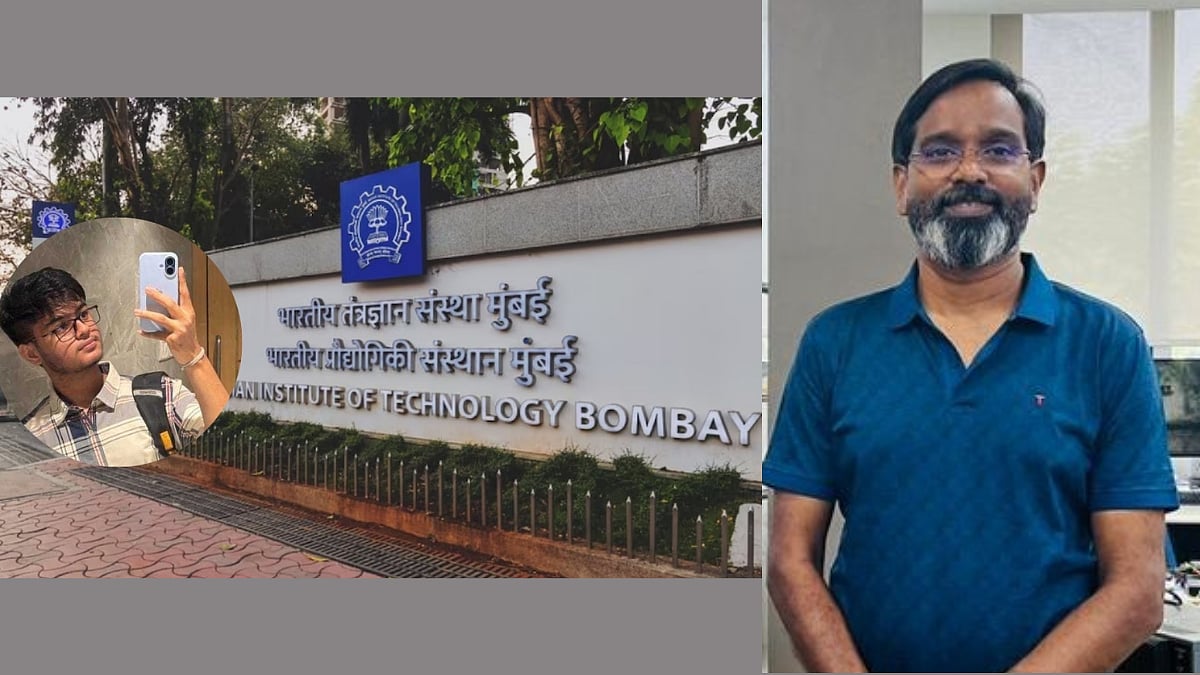
Mumbai: The protests following the death of IIT Bombay student Sahil Wakode have subsided, but the episode has exposed sharp divisions among students and faculty members over caste, accountability and the institute’s action against Professor Suryanarayana Doolla.
Students resumed regular lectures after three days of demonstrations on the Powai campus. However, differences have emerged within the student community over the decision to suspend the agitation following the institute’s response to some of the demands.
Students Differ Over Status Of 18-Point Charter
A section of students has argued that the circumstances surrounding Wakode’s death and the administration’s handling of the matter must be examined through the lens of caste discrimination. They have demanded institutional accountability, stronger safeguards for marginalised students and implementation of the remaining points in the students’ 18-point charter. Some students posted on social media stating that the protest continues as the demands have not been fulfilled entirely. "Prof Doolla should be suspended till the time and enquiry is conducted, as he has violated the rules of the very commitee that he was a part of." Moreover the DAC hearings should be made public and the Student welfare commitee should have a medically qualified professional.
Another Section Questions Caste-Based Interpretation
Other students have questioned the caste-based framing of the incident before the investigation is completed. They have raised concerns that unverified allegations could deepen divisions on the campus and unfairly target individuals. "We believe that the director has taken cognizance of our issues and hope that they will bring about change in one-month period. The students resumed their classes today," said another student. While the classes have been resumed there still remains uncertainty over the mid-semester exams that were pushed due to the protest.
There is also disagreement over the decision to stop the campus protest. While some students believe the agitation achieved important immediate outcomes—including an apology from the institute, the removal of Doolla as Dean of Administrative Affairs and an assurance to strengthen the grievance-redressal system—others maintain that the protest was suspended prematurely, with several demands yet to be implemented.
A similar divide has emerged among faculty members over the action taken against Doolla. One section has supported the institute’s decision, arguing that administrative accountability was necessary to restore students’ confidence while the case remains under investigation.
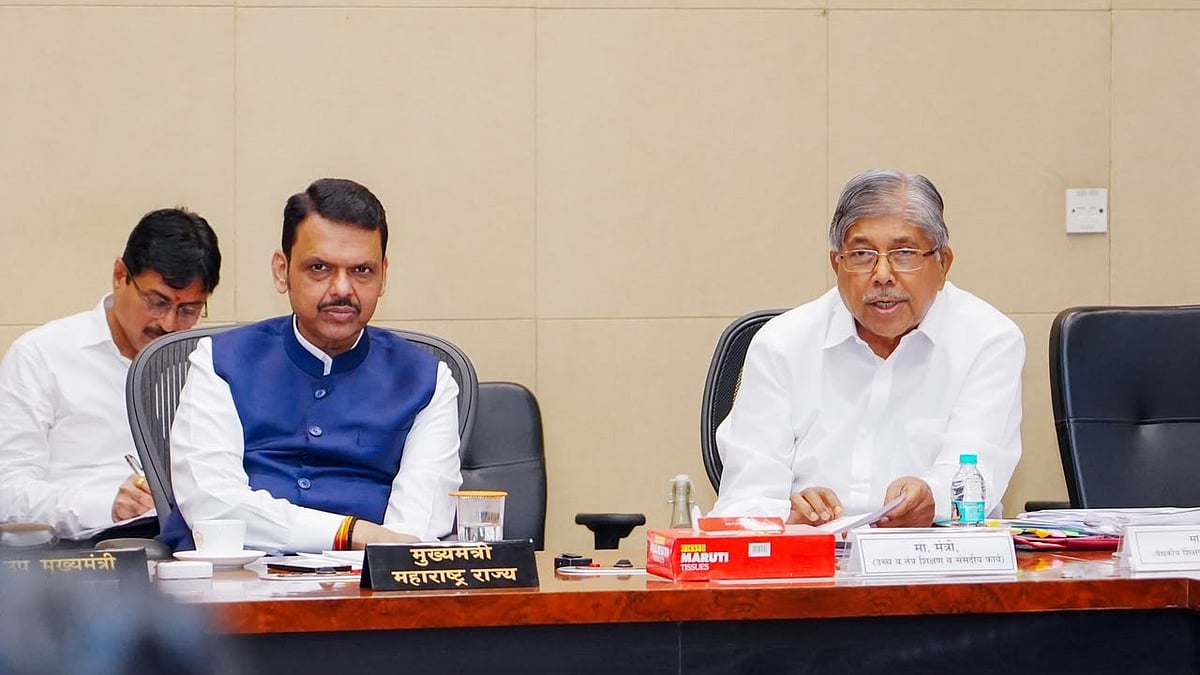
Another section of faculty members has expressed concern that the action was taken amid intense pressure and before the investigation established individual responsibility. They fear that removing a professor from an administrative position in response to a sustained agitation could set a troubling precedent and affect the ability of faculty members to discharge disciplinary and administrative responsibilities. As faculty forums of IIT Delhi and Madras also backed the professor and demanded for withdrawal of the FIR.
IIT Bombay earlier apologised for its initial communication describing the circumstances preceding Wakode’s death, acknowledging that it was inappropriate to characterise the events while an investigation was underway. It also removed Doolla from the post of Dean of Administrative Affairs and announced a Support Portal for student grievances.
Meanwhile, political organisations continued their demonstrations outside the institute even as normal academic activity resumed within the campus. The differing responses among students and professors indicate that, although the immediate agitation has ended, the larger debate over caste, due process and institutional accountability remains unresolved.
To get details on exclusive and budget-friendly property deals in Mumbai & surrounding regions, do visit: https://budgetproperties.in/

