
The first few classes for a new teacher are among the most important in a teacher's professional journey. They create the first impression, establish the classroom culture, and lay the foundation for meaningful learning throughout the course. Students often decide during these initial interactions whether the subject is interesting, teacher is communicating well, teacher is approachable, and whether active participation is worthwhile. Therefore, careful preparation for the first few sessions is essential for every new faculty member.
Understand the Course Thoroughly and Drawing Session Plan:
Before entering the classroom, the teacher should have complete clarity about the course learning outcomes, syllabus, assessment methods, and recommended references / books. Merely knowing the subject is not sufficient; one must understand clearly what students are expected to achieve in terms of practical competencies by the end of the course.
The teacher should prepare a complete session plan for the entire course indicating the topics to be covered, approximate time required for each unit, assignments, project work, practical sessions, and examinations. Such planning ensures smooth progression and avoids rushing towards the end of the semester. It is always better to consult the teacher(s) who had taught earlier and get an idea about the types of engaging activities / projects the subject entails.

Know Your Students:
Effective teaching begins with understanding the learners. Before the first class, gather information about the students' academic and other background. This information helps to pitch in the right way including in designing examples, case studies, and assignments that are relevant to their context.
Adequate Preparation:
Sufficient preparation is needed before a new teacher goes into a class. The preparation should be such that the teacher knows the subject well and confident to answer any question on the topic of the first class. Classically, it is recommended to have 3:1 preparation time; this means that a teacher needs to spend at least three hours in preparation to take a session of one hour duration. This preparation includes not only about the subject and its subjects but also technological support available for the teacher like online communication / quizzes, transmission facilities, projector type, electronic board and its functioning, among others.
Prepare Teaching Materials in Advance:
The faculty member should avoid preparing slides or notes at the last moment. Teaching materials should be ready well before the sessions start and should be transmitted to the students along with the learning outcomes either before the sessions start or after the first session is over.

Prepare the First Session Carefully:
The first class should never begin immediately with lengthy lectures or dictated notes. Instead, it should focus on creating curiosity and motivation.
An ideal first session may include:
A brief self-introduction.
Introduction to the course and its relevance.
Expected learning outcomes.
Types of activities and projects.
Assessment and evaluation methods.
Classroom rules and expectations.
Opportunities for student participation.
Brief introduction by students including an ice breaking activity.
Beginning with an interesting story, a real-life problem, a current event, or an inspiring case study captures students' attention and creates a positive learning environment.
Establish Classroom Norms:
This is a difficult task for a new teacher. Therefore, a careful treading is needed. In the first few sessions, norms need to be set for the protocol or standard operating procedures for conduct of the course like attendance, respect to others, class participation, time discipline, time limit of submission of projects / assignments, academic integrity, among others. For a new teacher, it is always advisable that such protocols are arrived at “democratically” by involving students and taking their views into consideration so that the protocols are taken in the right spirit.

First Few Classes:
These classes are going to be the litmus test of success for a new faculty in terms of acceptance both in content as well as behaviour. The teacher has, therefore, to be extra cautious to overcome this phase of teaching. This happens in every profession and teaching is no exception. This is the phase for building the initial trust of students. During this period, the teacher must be best in terms of communication clarity, listening skills, confidence, movement inside the class, body language, eye contact, modulation of the voice, confidence in answering questions of students ----- and the list goes on. Once this phase is over, the remaining journey becomes smooth. No doubt, this is too much of an expectation from a new teacher; but there is no other way. In brief, the teacher must be BEST IN TERMS OF TEACHING during the first few sessions.
Some tips in this regard can be:
Build emotional chord with students
Try to be empathetic and look from the lens of students while you teach
Engage in best of activities keeping in mind the theoretical framework
Br impartial, ethical and inclusive in your behaviour
Be respectful to all students
Be one with them while maintaining your separate identity
Guide them both inside and outside the classroom
Try to be role model.
Reflect After Every Session:
Preparation does not end when the class is over. Effective teachers continuously reflect on their practice.
After each session, ask yourself:
Did students achieve the learning objectives?
Which activities worked well?
Which concepts required further clarification?
Was time managed effectively?
How can the next class be improved?
Maintaining a “teaching diary” is an excellent professional development practice for new faculty members.

Common Mistakes to Avoid:
New faculty members should avoid several common pitfalls during the initial sessions:
Reading directly from slides.
Speaking continuously without student interaction.
Overloading students with excessive information.
Ignoring students' questions.
Beginning the course without explaining its relevance in real life.
Poor time management.
Being either excessively strict or overly casual.
Depending entirely on lectures without active learning strategies.
Awareness of these mistakes enables faculty members to build confidence and improve continuously.
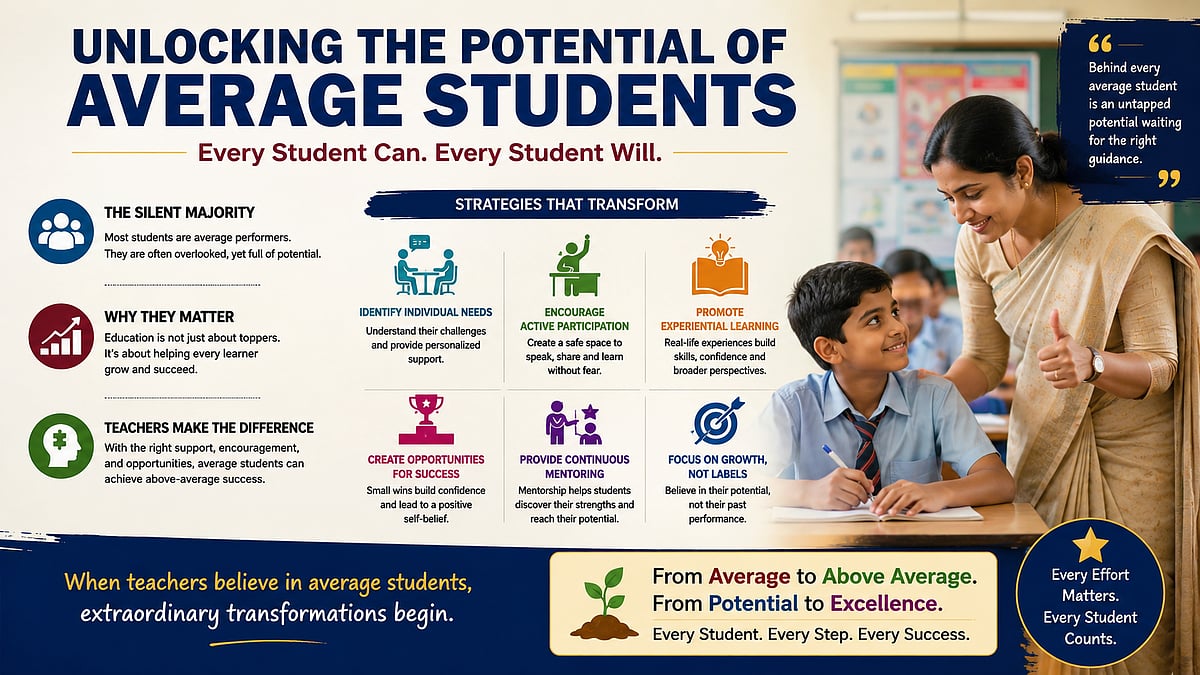
Moving Ahaead:
The first few sessions are far more than merely an introduction to the syllabus; they establish the academic climate for the entire course. Thorough preparation, student-centred planning, effective communication, and reflective practice enable new faculty members to begin their teaching journey with confidence and professionalism.
A successful teacher is not merely an expert in the subject but also a thoughtful facilitator who inspires curiosity, encourages participation, and creates an inclusive learning environment. By investing time and effort in preparing for the initial classes, new faculty members can build strong relationships with students, foster meaningful learning, and lay foundation for academic excellence. This paves the way for making an inspirational teacher.

