
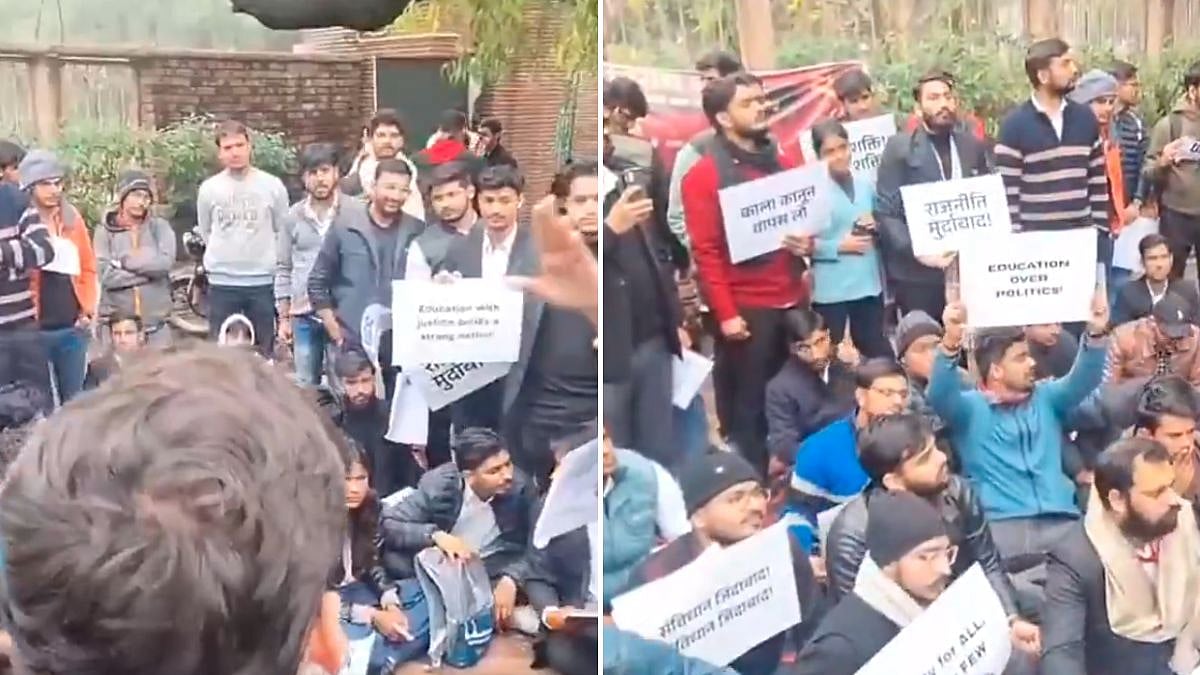
Chennai: Even as protests have erupted in several parts of the country against the UGC (Promotion of Equity in Higher Education Institutions) Regulations, 2026, Tamil Nadu Chief Minister M K Stalin has come out strongly in support of the proposed framework, calling it a long-overdue reform to address entrenched discrimination in higher education institutions.
In a detailed social media post on Thursday, Stalin described the regulations as a “delayed but welcome step” to correct systemic inequities in Indian higher education, which he said has long been scarred by caste discrimination and institutional apathy.

He argued that equity safeguards are no longer optional, but an “unavoidable necessity”, particularly in the backdrop of rising student suicides across higher education institutions since the BJP assumed power at the Centre.
Referring to data and reported incidents, the Chief Minister said students belonging to Scheduled Castes and Scheduled Tribes have been disproportionately affected, while students from South India, Kashmir and minority communities have also faced repeated harassment and targeted attacks. In this context, Stalin asserted that the core objectives of the regulations — dismantling caste-based discrimination and formally including Other Backward Classes within the equity framework — deserved unequivocal support.
Stalin likened the opposition to the UGC regulations to the backlash witnessed during the implementation of reservation policies following the Mandal Commission recommendations. He alleged that the current protests demanding a rollback of the regulations were driven by a “regressive mindset” resistant to social justice reforms.
The Chief Minister urged the Union Government not to yield to pressure seeking dilution of the regulations. He said the Centre must demonstrate political will if it was serious about preventing student deaths, ending discrimination and reducing dropout rates among students from backward communities.
Raising concerns over implementation, Stalin pointed to past cases such as the suicide of Rohith Vemula, where Vice-Chancellors themselves faced allegations. He questioned whether Equity Committees chaired by institutional heads could function independently, especially when several higher education institutions were allegedly led by individuals aligned with the RSS.
Stalin called not only for strict enforcement of the UGC regulations but also for strengthening and revising them to address structural gaps, with mechanisms for “real accountability”, warning that symbolic reforms without enforcement would fail to achieve their stated goals.

