
While Indian equity indices increased over 0.7 percent, stocks of online food delivery companies are trading in red.
The 30-share Sensex was up over 550 points, while Nifty 50 was 174 points higher than its previous close. In contrast, the shares of Swiggy were trading 1.36 percent lower while the stock of Zomato parent Eternal was down over 1 percent on Tuesday.
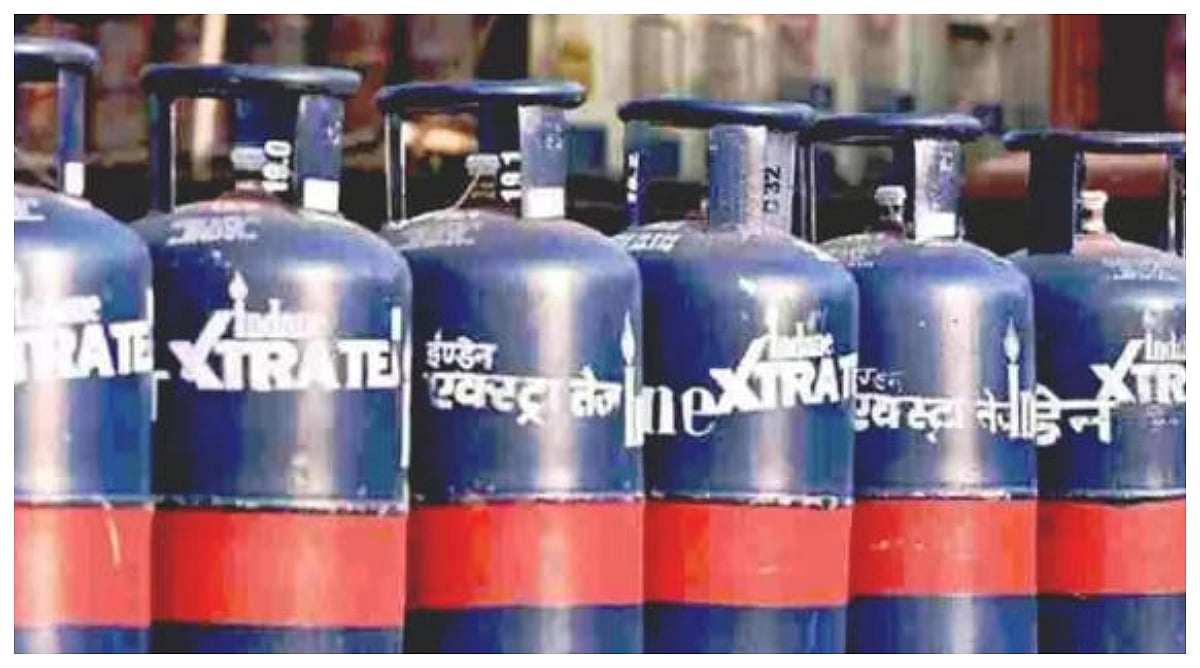
The stocks are defying broader indices as various restaurant associations across the country are reporting a shortage of LPG (liquified petroleum gas) as the war in West Asia continues.
Though Swiggy opened higher at Rs 304 apiece on Tuesday compared to its previous close at Rs 301.40 on Monday, the scrip fell to as low as Rs 295.70 during the second day of the week.
A similar trend was seen in Zomato’s stock, which opened 1.2 percent higher at Rs 232.35 from its previous close of Rs 229.55. But soon after trading opened, it fell over 1.5 percent only to pare some losses thereafter.
The decline in the stock prices reflects investor concerns about the impact of the restaurant crisis on the business of these online food delivery platforms. Since supply to of LPG cylinders for commercial use has been restricted to hospitals and educational institutions, experts are expecting order volumes of the two companies may take a hit.
The government has directed natural gas refiners to boost production and prioritise supplies to households.

Eateries, hotels, malls and restaurants are among the commercial users of LPG. On Monday, several restaurant associations warned that an extended shortage of LPG could lead to temporary shutdowns.
There are reports of a shortage of commercial LPG from cities like Mumbai and Bengaluru. Moreover, dealers have reportedly experienced a surge in bookings from household customers. However, the government on Monday increased the 21-day gap between bookings of two LPG cylinders to 25 days in anticipation of hoarding practices.
India is dependent on imports to meet about 80 percent of its natural gas needs. Out of the total imports, about 90 percent used to be supplied from the Gulf region. Since the war started late in February, supplies from the region have come to a halt as both the warring sides have attacked each other’s energy units.

